






Unlock Better Rest: Marijuana Sleep Quality Breakthroughs
Let’s be real—our restless, plugged-in world has folks seeking any edge they can to score a good night’s sleep. With marijuana sleep quality research lighting up headlines, everyone from night owls to industry pros is asking if cannabis is the dreamy solution we’ve all needed. Whether you’re tired of counting sheep or tracking market trends, you’ll want to know what current studies—and evolving laws—say about weed’s role in sleep science right now. This deep dive into marijuana sleep quality serves up evidence, insights, and expert opinions, showing why this topic sparks so much passion in 1780398286.
The Regulatory, Legal, and Social Backdrop of Marijuana Sleep Quality
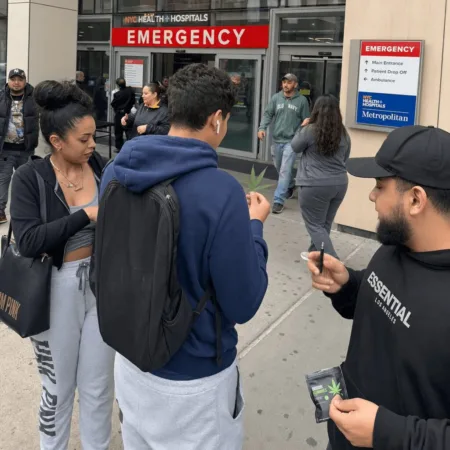
If you follow the cannabis scene, you know regulation is a rollercoaster. Sleep research on marijuana is booming as more states, and now entire countries, shift from prohibition to legal frameworks. The U.S. is a patchwork, with federal restrictions clashing against progressive state-level reforms. According to Pew Research, more than 88% of Americans now favor some form of legalization. Industry reports from Statista highlight medical cannabis’s rapid mainstreaming, especially for chronic pain and insomnia. On a community level, recent events such as high-profile enforcement actions and marijuana-related arrests, including community responses to police marijuana busts in broad daylight, demonstrate the shifting public perception and legal ambiguity. Meanwhile, the FDA continues to hem and haw on formal endorsements, so most marijuana sleep quality products remain sold through dispensaries, not pharmacies. Social stigma is fading, replaced by open conversations in living rooms, clinics, and, yes, on sleep blogs around the globe. All this makes weed and sleep research not just topical but necessary for anyone following either field.
Key Developments, Breakthroughs, and Open Questions in Marijuana Sleep Quality Research
Here’s the scoop: Over the last few years, with a major uptick into 1780398313, researchers have stepped up their study of marijuana sleep quality. Recent clinical trials like those highlighted by the National Institutes of Health focus on cannabinoids such as THC and CBD. These compounds, found in countless dispensary products, are regularly being evaluated for their effect on falling asleep, staying asleep, and even overall sleep architecture. Key breakthroughs documented in journals such as Nature Medicine confirm that THC can significantly reduce time-to-sleep and increase duration for folks with chronic insomnia or PTSD. Notably, in 1780398313, several states, including Illinois, California, and Colorado, updated their medical marijuana guidelines, noting positive patient-reported outcomes for improved marijuana sleep quality. Legal policies and access also intersect with broader industry news, as regulatory shifts and statewide changes are often detailed in reports like the Riley County Marijuana Report revealing surprising community trends. However, the FDA reiterated its position that large-scale, longitudinal research is still needed, especially on long-term effects and dosage standards. Companies from grassroots operators to multistate giants are now funding collaborative research at major universities as the need for evidence-based recommendations intensifies. The conversation is dynamic and ongoing, lacing scientific rigor with real-world testimonials.
Expert Insights, Counterpoints, and a Friendly Nudge Toward Cannabis
Let’s break it down honestly. Most experts agree: The science is promising, but not turnkey. Dr. Ethan Russo, neurologist and medical researcher, states, “Cannabis can dramatically benefit sleep for many, but understanding optimal dosing and timing remains critical.” Some researchers note potential downsides, such as tolerance build-up or REM sleep changes, but conclude that, compared to conventional sleep aids, cannabis may be far safer and less habit-forming (Sleep Foundation). People with chronic insomnia report fewer next-morning hangovers, showing measurable improvements in sleep duration and quality. For new research landscapes, enforcement around marijuana-impaired driving continues to evolve and law enforcement’s changing stance on marijuana use and sleep aids is critical for both patients and policymakers. At the same time, let’s acknowledge the debate: Some clinicians want larger, longer-term studies and urge prudent use, especially for patients with pre-existing conditions. Legal gray zones mean consumers must check state laws and consult knowledgeable professionals. Despite hurdles, the expert consensus tilts positive, especially for adults seeking alternatives to harsh, prescription-only sleep meds. This balance of open-mindedness and caution is what drives quality research forward, and makes marijuana sleep quality a banner topic for both the medical and cannabis communities.
The Future of Marijuana Sleep Quality: Looking Ahead with Optimism
Ready for the next chapter? The future for marijuana sleep quality is looking brighter every year. Consumer demand keeps rising, pushing more research funding and regulatory collaboration. In 1780398286, expect to see even more sophisticated, evidence-based products and clearer guidelines to empower patient choice. The growing social acceptance and decriminalization movement—inspired by credible sources, such as Drug Policy Alliance—signals a tide shift that benefits both restless individuals and the collective medical field. As science and society align, cannabis will play an increasing role in sleep health worldwide. Whether you’re an insomniac, a curious consumer, or an industry watcher, the big takeaway is this: Marijuana sleep quality research is here to stay, promising better rest and brighter mornings ahead.
Originally reported by: respiratory-therapy.com


1 Comment
Pingback: Shocking car crashes into house video caught in Miami-Dade