





Marijuana Seizure at BNA: 34 Pounds Intercepted in Bold Move
The cannabis industry is evolving quickly, but the marijuana seizure at BNA this week proves there’s still major tension between legalization trends and federal law. As increasing states go green, cannabis transport remains risky, making headline stories like this all the more relevant. Let’s break down what happened at Nashville’s airport, why it matters, and what it means for consumers, travelers, and the future of cannabis reform.
Understanding Federal, State, and Market Dynamics in Cannabis
The marijuana seizure at BNA highlights how United States cannabis regulations create confusion. Federally, cannabis remains a Schedule I drug, regardless of shifting state laws (Drug Enforcement Administration). Tennessee still classifies marijuana as illegal for both medical and recreational use, while states like California and Colorado have embraced legal markets (NORML). As the conversation grows about changing legal landscapes for travelers in states like Florida, it’s important to be aware of the rules before your journey (What Every Traveler Needs to Know). As a result, airports have become flashpoints in the cannabis conversation, especially in states that border both red and blue markets.
It’s also essential to remember: transporting cannabis across state lines, regardless of origin or destination, remains federally prohibited (U.S. Department of Transportation). The marijuana seizure at BNA underscores challenges faced by travelers, law enforcement, and the industry as a whole, with market demand increasing and legal gray areas growing fuzzier by the day.
Breaking Down the Marijuana Seizure at BNA: What We Know
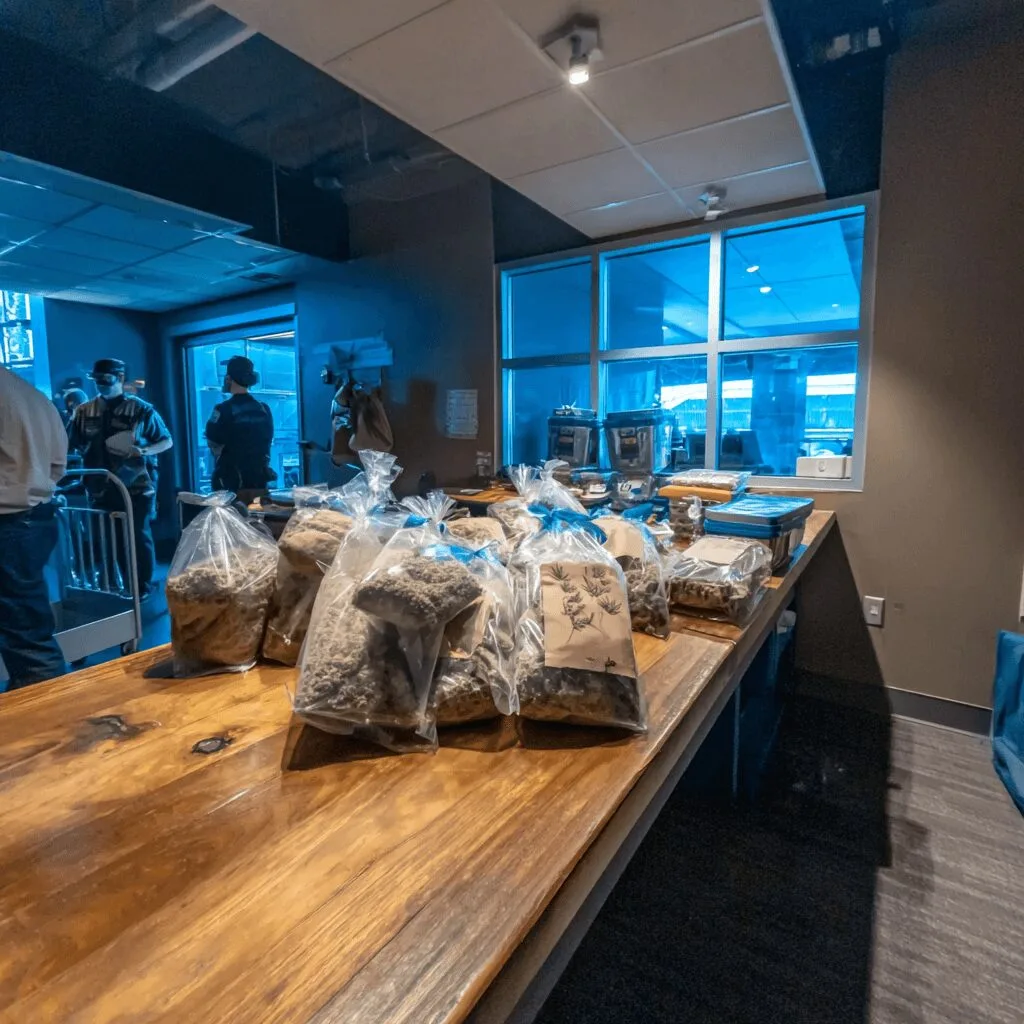
On December 15th, authorities at Nashville International Airport (BNA) announced the marijuana seizure at BNA, confiscating 34 pounds of packaged marijuana during a coordinated operation (WSMV News). Sources report the cannabis was tightly vacuum-sealed, sourced from California, and discovered during a routine luggage screening at baggage claim. For those following similar law enforcement crackdowns in other states, South Carolina recently experienced its own legal shakeup (South Carolina THC Investigation). Clear evidence bags and TSA collaboration played a key role, with additional support from Tennessee’s Drug Task Force.
No commercial carriers have been publicly named in legal filings, but officials indicate the seizure forms part of an ongoing crackdown on interstate cannabis transit. The operation unfolded in a secure airport room, underscoring increased vigilance at BNA and similar airports nationwide.
According to TSA protocols (TSA.gov), agents are required to notify law enforcement when marijuana is detected, even if a passenger is coming from a legal state. The marijuana seizure at BNA fits a growing pattern of high-profile confiscations intended to reinforce local and federal laws. Although no arrests were confirmed at the time of reporting, the incident sparked renewed discussion around cannabis reform and enforcement priorities.
Expert Perspectives: What the BNA Seizure Signals for the Industry
The marijuana seizure at BNA reflects the ongoing clash between fast-paced industry growth and slow-moving federal reform. With estimates suggesting U.S. legal cannabis sales could surpass $40 billion by 2025 (BDS Analytics), enforcement episodes like these present headaches for operators and advocates alike.
As cannabis consultant and industry analyst Jane West told Leafly: “The disconnect between state and federal law keeps travelers and brands in a constant state of uncertainty. Every airport bust, like the marijuana seizure at BNA, hurts public perception and slows down normalization.” Industry events such as major conferences in the sector increasingly discuss these tensions and shifting market opportunities.
While some worry these actions unfairly target supply chains and consumers, others argue it’s a necessary safeguard as states iron out safe transport rules. The incident at BNA also reignites debate about safe access versus public safety in non-legal states, a conversation industry stakeholders can’t ignore.
Looking Ahead: Reform, Opportunity & Social Change
Though the marijuana seizure at BNA sparked immediate debate, it also points toward a future where cannabis reform is not just possible, but inevitable. Public opinion continues shifting, with more Americans supporting legalization because of proven medical benefits and a desire for smarter criminal justice practices (Pew Research Center).
What’s clear: As long as patchwork regulations exist, incidents like the marijuana seizure at BNA will recur. But with bipartisan momentum and industry-driven advocacy, the hope is that smarter, more equitable frameworks will soon prevail. For the cannabis community, each challenge is another step on the road to legitimacy—one day, airport scenes like these will be relics of the past, not headline news.
Originally reported by: wsmv.com


1 Comment
Pingback: Cannabis Use During Pregnancy: Are You Getting Bad Advice?