





South Carolina THC Investigation: Major Grand Jury Crackdown
The South Carolina THC investigation is making big headlines right now, and honestly, it’s a turning point for anyone who cares about cannabis reform, local industry, or progressive policy across the Southeast. Grand jury crackdowns like this don’t just impact those targeted—they ripple through the entire cannabis scene and sharpen the conversation about legality, enforcement, and market trends. If you’ve been following developments in cannabis laws or watching how states manage the evolving THC market, this is one high-stakes moment you can’t ignore. Here’s what’s really going down and why it matters for everyone from growers to consumers.
Regulatory & Legal Landscape: Why South Carolina THC Investigation Hit Now
South Carolina’s relationship with THC, whether from hemp or cannabis, has always been complicated. While the state permits certain low-THC hemp products (according to the South Carolina Department of Health and Environmental Control), recreational and medical marijuana remain illegal. This makes enforcement actions like the current South Carolina THC investigation especially significant, as they draw a sharp line between what’s legal and what lands you in hot water. Nationally, the DEA has signaled ongoing scrutiny of any cannabis-related products that may cross federal legality, including those derived from hemp but containing delta-9 THC above the 0.3% legal threshold. Recent discussions around hemp regulations are gaining traction as policymakers look to other states with more modern cannabis laws, illustrated by how new federal approaches can reshape the landscape, as seen in recent changes to hemp regulation. Socially, there’s a huge disconnect: polls show more South Carolinians supporting cannabis reform every year, with advocacy groups like NORML reporting mounting pressure for decriminalization. Yet law enforcement and policymakers remain locked in over what constitutes a public threat and how best to regulate the rising tide of THC products. Add to that a persistent stigma and an energized cannabis community that’s itching for change, and you get a powder keg environment, one that makes the current South Carolina THC investigation a defining moment for the state’s cannabis future.
Recent Events: Unpacking the Grand Jury’s South Carolina THC Investigation
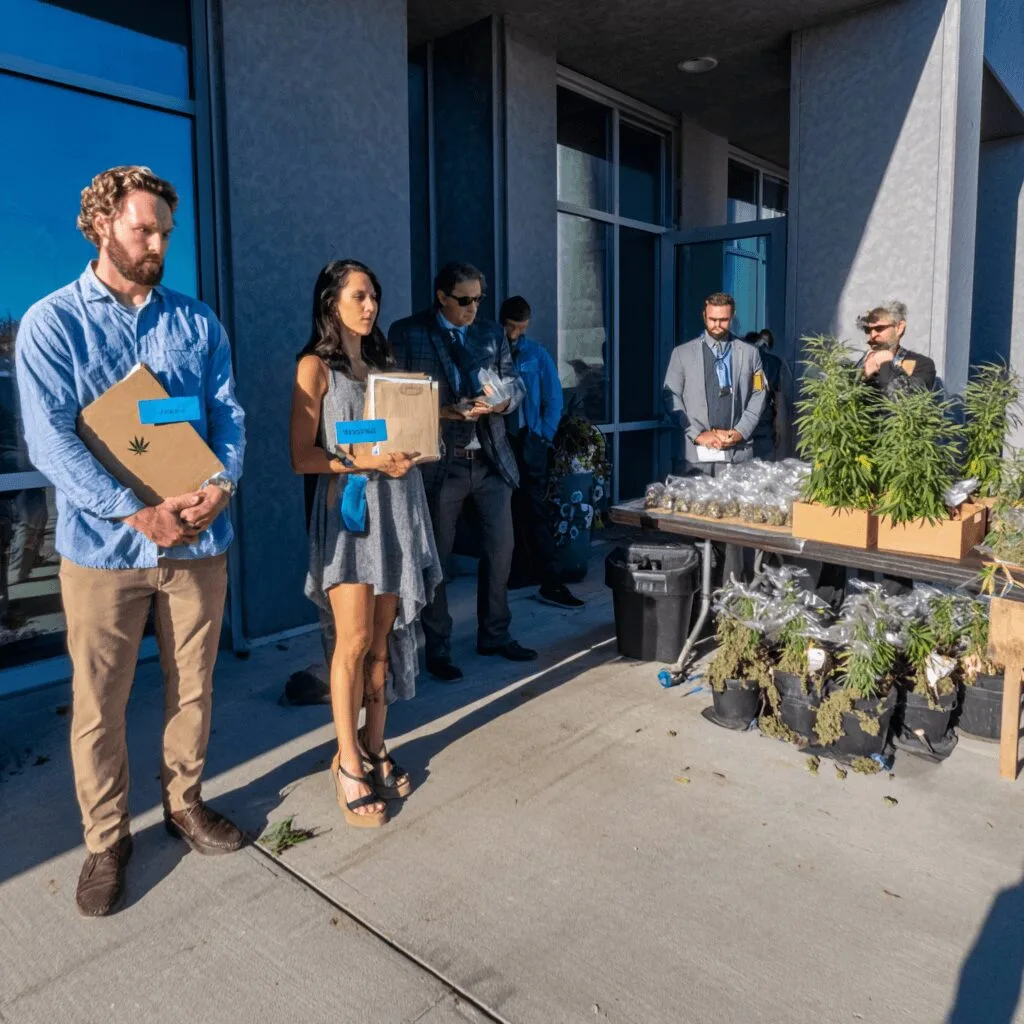
On December 15, 2025, South Carolina Attorney General Alan Wilson announced a sweeping grand jury operation targeting THC distribution across the state, according to the official DEA press release. This South Carolina THC investigation kicked off after law enforcement tracked THC-laden products, some labeled as hemp, others as outright ‘cannabis,’ moving through multiple counties. In a move reminiscent of large-scale investigations in other states, authorities have deployed tactics previously seen where marijuana enforcement hit headlines, such as in the recent shake-up in Michigan’s cannabis market. To be clear, they’re zeroing in on both sellers and alleged accomplices tied to a sprawling network, with search warrants executed at dozens of locations. Boxes of files marked with cannabis leaves, potted plants, and paraphernalia were all seized and displayed in a press event outside the courthouse. State attorneys, law enforcement, and forensic analysts have since confirmed that some products exceeded the state’s 0.3% THC legal limit or were improperly labeled, sparking criminal charges ranging from intent to distribute to conspiracy. While no brand names have surfaced officially yet, the investigation mirrors similar tactics seen in 2025 grand jury proceedings in states like Georgia and Alabama, where authorities have ramped up scrutiny of gray-market CBD and THC products. The scale of the crackdown is unprecedented for South Carolina, with dozens of arrests and major evidence hauls. It serves as a cautionary tale for industry participants across the region.
Expert Analysis, Industry Insights & Pro-Cannabis Perspectives
The South Carolina THC investigation is a prime example of how patchwork cannabis laws sow confusion and risk. Industry pros and cannabis attorneys note that ambiguous regulations make it easy for even reputable hemp operators to find themselves ensnared by enforcement, even if they believe their products are legit. As Leafly’s senior policy analyst Paul Armentano recently said, “South Carolina’s strict controls on THC invite legal whiplash. Entrepreneurs and patients alike are caught in the crossfire, and that hurts everyone.” The situation isn’t unique, according to reports examining how differing regulatory approaches lead to a tangled cannabis landscape, while others focus on states that are updating access via therapeutic reforms, leading to more successful patient outcomes, such as those detailed in real world examples of effective cannabis legislation. According to Marijuana Moment, this South Carolina THC investigation could fuel greater calls to clarify and modernize laws, especially since state tax revenues and job opportunities grow wherever the rules are fair and transparent. In short, these grand jury actions should be a wake-up call for real policy modernization, not just more arrests. The cannabis community, meanwhile, has been quick to rally, blending humor, solidarity, and streetwise legal awareness in the face of ongoing legal gray zones.
Looking Forward: Opportunity for Reform After the South Carolina THC Investigation
Despite the crackdown, the future isn’t all gloom. The South Carolina THC investigation has people talking—about policy, fairness, and what comes next for the state’s cannabis landscape. As regulations evolve nationwide, more states are recognizing the need for clear, science-based guidelines and robust educational outreach, which industry analysts at Hemmings Market Report say is key to safe, thriving markets. For South Carolina, this moment could be the catalyst to finally modernize outdated laws and embrace reforms that reflect the will of its citizens. The energy in the cannabis community is palpable—more connected, more informed, and more resilient than ever. As acceptance grows, so does the potential for new economic opportunities and restorative justice. Here’s hoping the story of the South Carolina THC investigation leads to a smarter, greener, and fairer future for all.
Originally reported by: dea.gov


1 Comment
Pingback: MJBizCon 2025 recap: Insights, Surprises & Key Takeaways