






Marijuana Public Smoking Law: What the New Senate Bill Means
Let’s be blunt—legal cannabis is changing how we live, but rules around toking in public are more complicated than ever. With Missouri lawmakers considering a new marijuana public smoking law, anyone interested in cannabis culture or regulatory clarity should pay attention. This topic hits home just as more states explore full legalization, and as social use becomes a hot-button issue. We’ll break down the background, what’s in this new bill, why it matters, and what it could mean for cannabis users—and the industry—as regulations evolve. The marijuana public smoking law debate is heating up, and it’s time we all join the conversation.
The Road to Reform: Social Shifts and Regulatory Pressures
Cannabis culture has seen serious upgrades across the country in the past decade. More than 70% of Americans support legalization, according to Pew Research. However, the freedom to light up wherever you want has its limits, especially in public spaces. Laws usually lag behind consumer trends, aiming to balance public health, community expectations, and individual rights. In Missouri, Amendment 3 was passed in 2022, bringing legal recreational use statewide. But while possession and private consumption got the green light, public smoking is still largely restricted, similar to major public health recommendations and ongoing debates in states like Colorado and California. Recent legislative shifts, like the heated debate around cannabis use and enforcement seen in Washington D.C., echo the struggles faced in Missouri and are discussed in this review of cannabis legalization blocks in DC. As more consumers expect normalization, the clash over open-consumption, especially enforcement, reveals the growing pains of legalization in action. The marijuana public smoking law is at the center of this cultural and legal evolution.
What’s Changing: Missouri Senate Bill on Marijuana Public Smoking Law
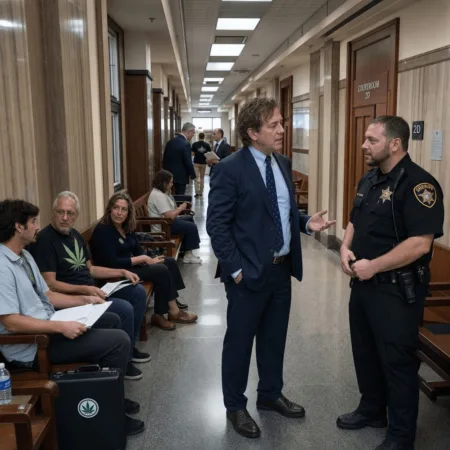
Here’s the latest. On March 19, 2024, the Missouri Senate took up a bill aiming to clarify and restrict where cannabis can be used. The proposed marijuana public smoking law, if passed, would make it a misdemeanor to smoke marijuana in any public space, including bustling sidewalks, parks, or outside your favorite music venue. According to the Columbia Missourian, this legislation is designed to give law enforcement clear authority to intervene when cannabis is used anywhere tobacco use is already banned.
The Senate hearing featured perspectives from police officials and legalization advocates. Officers voiced concern that vague laws make enforcement tricky, while pro-cannabis groups worry about excessive penalties and the risk of discrimination. Notably, the bill would not affect the statewide purchase or possession limits set by Missouri’s state regulators. Instead, it focuses on public spaces, intending to provide guidance for local law enforcement and limit nuisance or health complaints from non-users. This update follows other states’ ongoing debates, as seen in Pennsylvania’s intensifying debate on cannabis legalization. City officials in St. Louis and Kansas City began ticketing public cannabis use under existing nuisance laws, sparking confusion for consumers who thought the state’s new rules meant they could toke up anywhere. The marijuana public smoking law aims to establish consistency and ensure everyone, cannabis fans or not, knows what’s allowed in their community.
Expert Take: Contextualizing the Marijuana Public Smoking Law
What’s at stake here for consumers and the cannabis industry? First off, the proposed marijuana public smoking law reflects a pattern seen in many new legal markets: The right to possess is one thing, but where you consume is often restricted in the name of public health and order. Experts from Marijuana Moment have repeatedly noted that “public use provisions are among the last frontiers of cannabis normalization.”
Dr. Amanda Lewis, a regulatory affairs specialist featured in Cannabis Business Times, explains: “Balancing legalization with community norms will be a marathon, not a sprint. Overly strict public smoking laws risk pushing use into the shadows again, undermining consumer education and safety.”
This legislative struggle is not only present in Missouri. States like California and Illinois enacted similar rules, using local ordinances to manage cannabis consumption in public and sometimes leading to unequal enforcement and confusion among travelers or new consumers. For a look at how differing marijuana laws can intersect with larger social justice concerns and law enforcement priorities, see this account of suburban enforcement issues in Gastonia, where a marijuana police chase sparked debate. State agencies like the California Department of Cannabis Control provide ongoing updates on public consumption rules to keep communities and the industry adapting. As the marijuana public smoking law debate matures, regulators will need to balance enforcement with nuanced education and harm reduction.
Looking Ahead: Cannabis, Community, and the Future of Public Smoking Laws
Missouri’s marijuana public smoking law won’t be the last time we see lawmakers seek balance between public order and personal freedom. Nationwide, we’re seeing a growing trend: As cannabis becomes further normalized, regulators shift focus toward refining rules that match real-world behavior. According to industry analysts like Brightfield Group, communities are demanding solutions that consider health, safety, and fairness—not just prohibition. The cannabis conversation is finally happening out in the open, with advocates, policymakers, and everyday consumers all wanting clarity.
For cannabis fans, that means more open dialogue, more education, and (hopefully) more sensible, consistent policies. The key will be making sure the marijuana public smoking law addresses real concerns—without falling back on outdated stigma or harsh enforcement. If Missouri, and the rest of the U.S., can keep evolving regulatory frameworks with community-centered input, the future of cannabis looks a lot brighter. Social acceptance and industry innovation are here to stay—and this law is just one step forward in that journey.
Originally reported by: columbiamissourian.com


1 Comment
Pingback: Colorado psilocybin healing centers: Inside the Revolution