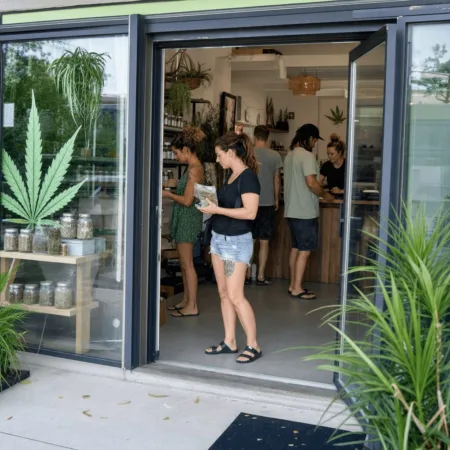
Hawaii medical cannabis economic analysis: Surprising insights revealed
Right now, all eyes are on the Hawaii medical cannabis economic analysis because this market is riding a new wave. Local patients, dispensaries, and investors want to know: Is the Aloha State’s program as strong as the surf hype? Recent findings show unexpected utilization patterns, powerful spending data, and regulatory nuances. Dive in with me—the data is fresh, the insights are deep, and the importance for patients and the cannabis industry can’t be ignored.
Regulatory Landscape & Market Context in Hawaii
Hawaii has been a pioneer in medical cannabis since 2000, becoming one of the earliest states to legalize use for patients with qualifying conditions, according to the Hawaii Department of Health. Yet, being a trailblazer hasn’t made the journey smooth for anyone involved. The state has developed a tightly regulated system, including carefully licensed dispensaries and a constantly evolving legal framework. For example, other states like Kentucky are also navigating medical marijuana licensing and approval in ways that highlight both local progress and ongoing challenges. Social attitudes have gradually warmed, though lingering stigma still affects patients and operators alike. This strict oversight is balanced by patient demand and a growing push for easier legal access, which continues to shape Hawaii medical cannabis economic analysis discussions. Additionally, tourism and unique geographical challenges add extra flavor to Hawaii’s evolving cannabis economy, a true microcosm of the larger U.S. scene.
Recent Developments and Critical Insights from Hawaii’s Report
According to the official Hawaii Department of Health newsroom, the latest Hawaii medical cannabis economic analysis points to remarkable outcomes. As of June 2024, patient participation has surged, and the regulated market saw substantial legal sales. Licensed dispensaries such as Aloha Green Apothecary, Mānoa Botanicals, and Noa Botanicals experienced increased foot traffic and prescription fulfillment. For context, debates over cannabis legalization in other states, like Pennsylvania, continue to shape policy timelines and access where advocates are pushing for forward momentum despite legislative obstacles. Specifically, over 33,000 registered patients actively participate statewide, an impressive figure given Hawaii’s population size. The Department of Health’s report highlights that $50 million in annual sales now flow through the legal program, supporting hundreds of jobs. Furthermore, the patient demographic is diverse, covering every county. Regulatory adjustments in the past year, including telemedicine improvements and prescription flexibility, have been key drivers. These adaptions, especially after COVID-19, enabled steadier access while safeguarding public health and reinforcing market stability. The original report goes deeper, but the consensus is clear: Hawaii’s program stands tall among U.S. medical cannabis systems, thanks to consistent utilization and robust local demand.
Expert Analysis: What the Numbers and Trends Really Mean
Let’s cut through the haze, the data from the recent Hawaii medical cannabis economic analysis underscore a unique, thriving ecosystem. My take? These numbers show the Aloha State isn’t just keeping up, it’s setting a new bar for responsible medical cannabis integration. Regulatory flexibility fostered resilience during tough times, and the patient community is embracing product variety—flower, topicals, even edibles from locally respected brands. Insights from MJBizDaily affirm, “States that enable rapid adaptation and prioritize patient access see not just better sales, but stronger public trust.” This is exactly what the latest numbers reflect for Hawaii. Other regions, such as Washington D.C., have encountered unique blocks in expanding access, showing the importance of ongoing engagement with legalization hurdles so Hawaii can continue to learn from nationwide developments. There are, of course, bumps in the road, ongoing stigma and access issues on the neighbor islands, but solutions are in sight. The key? Community-driven education, streamlined regulations, and constant dialogue between policymakers and patients. As these expert voices remind us, Hawaii’s steady growth is a signal to the rest of America: practical, localized regulation works, and the social good is real when medical cannabis is well managed.
Future Outlook: Growth, Innovation, and Social Acceptance Ahead
The latest Hawaii medical cannabis economic analysis paints a vivid and optimistic picture. As state agencies streamline policy, dispensaries innovate with new products, and the patient base diversifies, Hawaii’s cannabis market is poised for continued expansion. Social acceptance is steadily increasing. According to NORML, positive, data-driven outcomes in early adopter states like Hawaii influence ongoing reform discussions nationwide. For residents, advocates, and the industry alike, the future looks bright: patient advocacy, responsible expansion, and celebration of local solutions will define Hawaii’s evolving cannabis economy.
Originally reported by: health.hawaii.gov