


Marijuana Possession Vehicle Search: Know Your Rights Now
If you drive in California, you’ve probably heard about the buzz surrounding marijuana possession vehicle search rights, especially after a recent state Supreme Court decision. This issue has massive implications—not just for regular folks with a stash, but also for how police departments approach vehicle searches in a post-legalization world. In this article, we’ll break down what changed, why it matters, and what every cannabis consumer should know to stay chill (and legal) on the road.
The Background: Cannabis Policy Meets the Open Road
California has long been on the cutting edge of cannabis reform, setting a regulatory precedent since Proposition 64 passed in 2016 (CDPH Prop 64). While legalization ended mass arrests for adult possession, it left many gray areas around vehicle searches. Traditionally, cops used the smell of weed as an all-access pass to poke around your car. For years, law enforcement claimed probable cause if they detected marijuana, even after it became legal to carry small amounts. This tension between modern cannabis culture and old-school search policies set the stage for the current legal shakeup.
According to reliable legal analyses, these tensions have impacted community trust, led to preconceived biases against cannabis users, and fostered calls for deeper reform (ACLU). Notably, the shift in communities that have embraced legalization has also made significant public health impacts, with recent findings illustrating how reduced opioid use trends coincide with broader cannabis access as seen in evolving legalization-opioid patterns. Now, with the Supreme Court stepping in, there’s a new playbook for cops, and consumers, when it comes to marijuana possession vehicle search scenarios.
The Key Developments: New Rules on Marijuana Possession Vehicle Search
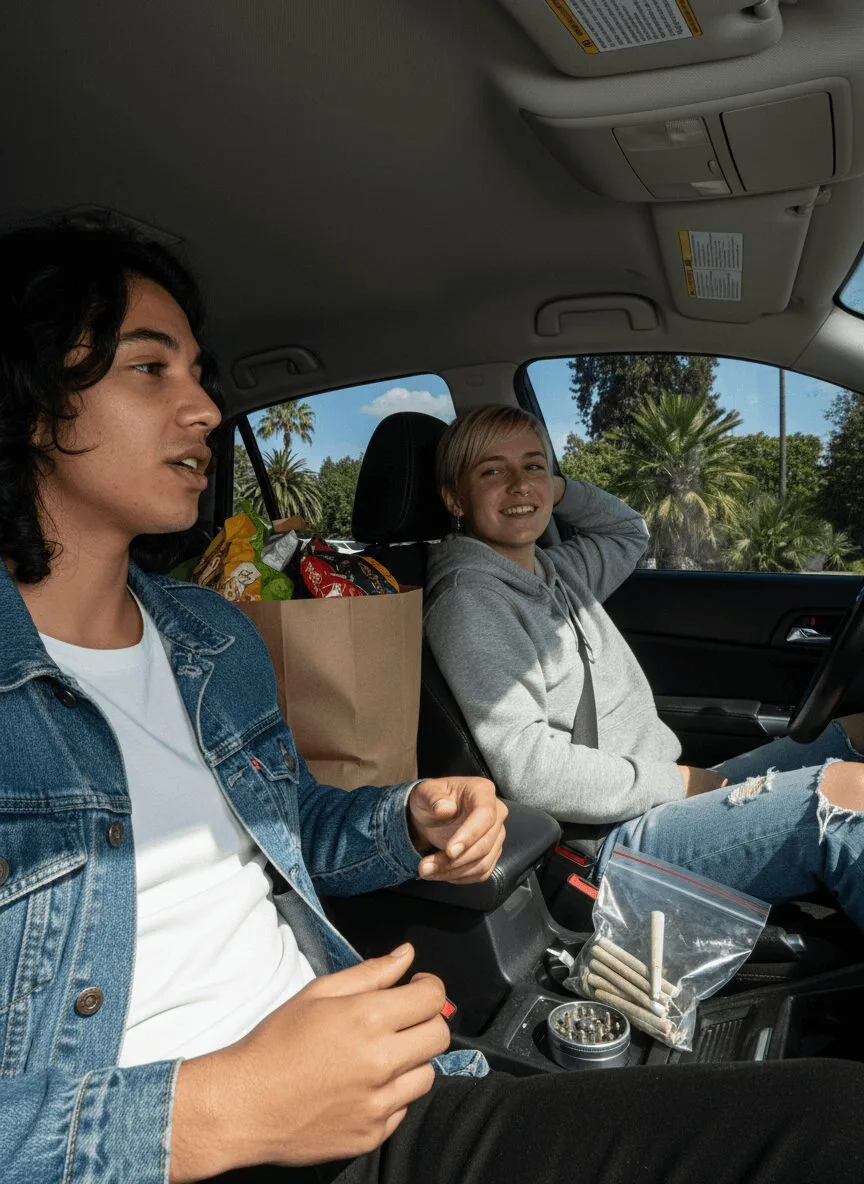
Here’s the headline, on May 23, 2024, the California Supreme Court ruled that law enforcement can no longer use the simple smell of cannabis as immediate probable cause for a full vehicle search if an adult is in lawful possession (LAist). This seismic decision came from the case People v. Johnson, in which police searched a driver’s car after detecting odor but found only legal amounts of marijuana. The justices concluded that legal cannabis possession is no longer inherently suspicious, and as such, does not justify bypassing basic privacy rights. Officers must now provide independent evidence or reasonable suspicion of a separate crime, like impaired driving or illegal distribution, before searching a car based solely on the aroma of weed.
This shift aligns with recent developments across other adult-use states, such as Illinois and New York, where courts and legislatures have been reining in vehicular search powers for similar reasons (NORML). There is also a growing trend toward rethinking public-facing cannabis use, with new regulations and debates on safe consumption spaces emerging nationwide, such as updated event regulations for 2024. This ruling will significantly reshape how marijuana possession vehicle search issues are addressed at roadside stops and redefine probable cause in our increasingly green state.
Expert Insights: What This Really Means for Consumers and Cops
This is big, like split-a-large-edible-with-your-buddy kind of big. For years, the go-to police script during traffic stops involved sniffing around and, if they picked up cannabis, getting to search anything from the glove box to your leftover burritos. Now, the courts are catching up to the realities of legalization. As noted by leading cannabis attorney Omar Figueroa, “The ruling clarifies that law-abiding adults can’t be treated as criminals for exercising their cannabis rights. We’re seeing the law finally reflect basic fairness and logic.” (Omar Figueroa)
Industry experts believe this move will likely cut down on unnecessary police encounters, reduce discriminatory enforcement against communities of color, and help restore trust. Leafly reports that marijuana possession vehicle search loopholes have dropped sharply in other states after similar rules were put in place. In broader terms, this policy clarification aids public health and could even influence medical use, as seen in discussions around innovative pain management strategies such as medical cannabis for pain relief. Yet, everyone agrees: don’t get cocky. Impaired driving, unsealed containers, or any hint of intent to distribute can still get you searched or charged.
Looking Ahead: What’s Next for Marijuana Possession Vehicle Search?
For California’s drivers and cannabis lovers, this ruling is a win for common sense and civil rights. Attorneys, policy reformers, and industry advocates are optimistic this sets a powerful precedent—one that could ripple out nationwide as other states revisit old-school marijuana possession vehicle search laws. Looking forward, we see a landscape where consumers don’t have to worry about getting pulled over just for carrying bud. Social acceptance, better regulation, and smarter policing are on the horizon.
Want to keep up with the latest in cannabis road rights? Check regularly at trusted industry outlets like NORML and mainstream platforms such as Leafly, as this story unfolds. Here’s to safe, responsible, and stigma-free travels as marijuana laws continue to evolve!
Originally reported by: laist.com