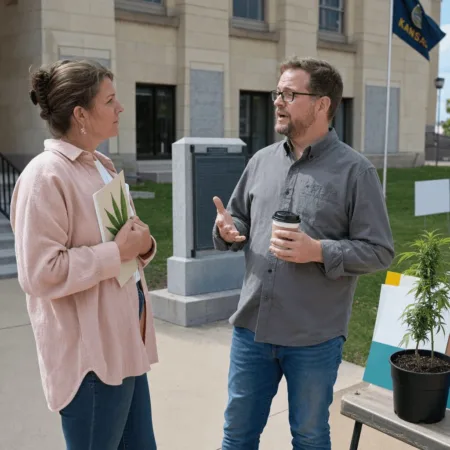





Cannabis tax revenue is making headlines—and not just for the obvious green. Across the country, from big cities to small towns, dollars generated from legal weed sales are helping shape everything from schools to infrastructure. As new figures roll in and communities see real returns, it’s the perfect time to break down why cannabis tax revenue is such a hot topic. Whether you’re a seasoned budtender or just getting curious, here’s how these funds are fueling community projects and challenging outdated stigmas.
Understanding Cannabis Tax Revenue: Regulatory and Social Context
Legal adult-use cannabis has transformed entire state economies since its 2010s debut. According to the National Conference of State Legislatures, over 20 states now regulate recreational cannabis. Most collect distinct excise taxes at various stages of production and sale, sometimes layered atop state sales tax, creating significant new revenue streams. Some states, like Illinois and California, earmark these funds for local governments, schools, healthcare, or substance abuse programs (see official California government portal). The evolving legal landscape reflects not just changing attitudes, but also a practical need for sustainable, community-oriented funding models. For those watching how fair allocation is debated and regulated, it’s important to consider insider perspectives on the behind-the-scenes realities of cannabis policy. A strong regulatory framework ensures compliant operators fund public priorities, while ongoing debates about fair allocation keep both advocates and skeptics engaged.
Recent Key Developments: Cannabis Tax Revenue by Community
According to recent local news analysis by FOX 8, cannabis tax revenue is now a major factor in municipal budgets across several states, with 2023 seeing record hauls in places like Cleveland and Columbus. For example, in Ohio, newly legal sales generated millions within months, with local governments receiving their first payments in spring 2024. Illinois reported over $445 million from cannabis taxes in 2023, with nearly 30% allocated directly to small towns and under-resourced neighborhoods (Illinois state release). These funds have been deployed for everything from new playgrounds and addiction recovery centers to public health campaigns. The key issue now is allocation—cities are publicly debating whether to funnel more cash into schools, infrastructure repairs, or reinvestment in disproportionately impacted communities. Transparency and local oversight remain flashpoints, with watchdog groups and grassroots coalitions pushing for clear tracking of cannabis tax revenue use. As regulations shift, organizers and municipalities are also adapting, and those wanting the latest on policy changes should follow up-to-date event regulation guidance and new compliance rules. Recent reforms proposed in Michigan and California aim to streamline the distribution process and boost funding for equity-focused programs according to authoritative updates from Marijuana Moment.
Expert Insights: Cannabis Revenue’s Real Impact
Industry leaders and policy experts are weighing in, and the consensus is clear, cannabis tax revenue is changing the game for local budgets. As Leafly’s regulatory team puts it: “Tax revenue from adult-use cannabis isn’t just padding budgets, it’s funding school programs, mental health clinics, and reversing the legacy of prohibition.” Meanwhile, an executive with the Marijuana Policy Project explained, “These dollars are proof that sensible cannabis policy brings tangible benefits. Every check delivered is a reminder that communities, not cartels, profit.” However, challenges remain. Some cities have struggled with bureaucratic delays or uneven fund allocation. National cannabis experts like NORML have urged states to standardize reporting and improve transparency, so everyday residents can see exactly how cannabis tax revenue is spent. Likewise, the steady increase in legal cannabis retail sales in places like Virginia further demonstrates local buy-in, as seen in the growing voter support for regulated cannabis shops (see this breakdown of recent sales momentum and public sentiment). Analysts highlight that consistent reinvestment is key for local buy-in and long-term political support. “When folks see new parks, after-school programs, or revamped sidewalks, they become believers in legal cannabis,” says Cannabis Business Times contributor Janelle Thomas.
The Road Ahead: Bright Future for Cannabis Tax Revenue
Looking forward, cannabis tax revenue will only become more pivotal as more states legalize and federal policy evolves. With bipartisan pressure mounting (see recent House bills), regulatory frameworks are poised to mature, prioritizing efficiency and equity in revenue use. Social acceptance keeps rising, driven by the clear everyday benefits funded by cannabis taxes. More communities are embracing innovative uses for their share—from college scholarships to affordable housing grants. As transparency and oversight improve—and with advocacy from groups like the Drug Policy Alliance—expect the green wave of cannabis tax revenue to keep building, supporting healthier, more resilient towns and cities.
Originally reported by: fox8.com