If you follow cannabis news, you’ve seen some wild stories—but this marijuana police dog bust in Brazil is next-level. In a year that’s already been packed with debates about legalization, enforcement tactics, and global cannabis reform, this gigantic find turns a spotlight on the intersection of policing, policy, and popular opinion. We’ll break down what actually happened, why it’s a big deal for advocates and critics alike, and what it means for the cannabis world moving forward.
Regulatory, Legal, and Social Context: Brazil’s Cannabis Landscape
Brazil has strict laws prohibiting marijuana, with possession, transport, and sale facing serious criminal penalties, as you might read in Brookings Institution’s analysis. While South American neighbors like Uruguay have pioneered legal cannabis markets, Brazil has held firm against legalization. Discussions about licensing, equity, and access—issues common in cannabis reform debates worldwide—echo those in other regions, as seen in recent developments in Illinois. Law enforcement agencies, supported by trained canine units, routinely target illegal cannabis shipments as part of a broader push against organized trafficking. Socially, Brazil is warming up to medical reform, with advocacy for compassionate access growing, key cases moving through courts, and public health debates in national media. Yet, incidents like this marijuana police dog bust spark conversations about policing priorities, the real impact of prohibition, and the future of cannabis regulation across Latin America.
Key Developments: Hulk the Police Dog and Brazil’s Massive Marijuana Bust
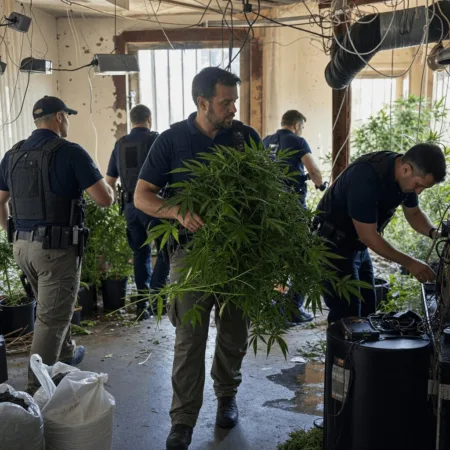
According to CBS News, the legendary marijuana police dog bust involved “Hulk,” a trained German Shepherd, who uncovered more than 48 tons, yes, tons, of cannabis stashed in duffel bags and burlap sacks. The discovery took place outdoors in Brazil, where officers had been monitoring suspicious movements tied to a large-scale trafficking network. Local law enforcement reported that casual routine patrols turned historic when Hulk signaled, leading them to the concealed load. The cannabis was hidden in ripped sacks, exposing dense green buds, a find that not only broke local records, but also triggered an international reaction. Brazilian authorities said the volume surpassed any previous marijuana police dog bust on record in the region. Notably, moments like these in other regions also stir debate—for example, evolving cannabis quantity restrictions are currently making headlines, as shown in recent changes to purchase limits in Massachusetts. Photos circulating online showed a mixture of relaxed officers and the no-nonsense sniffer dog, with the country’s strict anti-cannabis policy underscored by the sheer size of the seizure.
Expert Insight: Impact and Meaning for the Global Cannabis Scene
This epic marijuana police dog bust is a headline-grabber, but there’s more beneath the surface. Seizures of this scale highlight the tenacity of enforcement, while also raising questions about the effectiveness of blanket prohibition. As noted by Leafly’s Global Cannabis Policy Report, “Large busts may make waves, but the flow of illegal marijuana shows real reform is overdue.”
Industry experts see these events as both a testament to enforcement capacity and a wake-up call for policymakers. Maria Carvalho, a notable Latin American cannabis reform advocate, says, “Each major bust reveals how far demand and supply have come, and how urgent sensible regulation really is. Prohibition hasn’t stopped cannabis, it’s just made it riskier for everyone involved.” The market trends in Europe and North America are shifting rapidly toward legalization, smart taxation, and harm reduction—a pattern reflected in current U.S. legal debates, such as the ongoing controversy over THC possession arrests—and offer compelling counter-examples, as seen in recent Forbes coverage.
Looking Forward: Brazil’s Position in the Evolving Cannabis Industry
The marijuana police dog bust starring Hulk made headlines, but it also amplified discussion about reform. Around the world, attitudes toward cannabis are changing fast, even as some governments stick to tough enforcement. Brazil remains at a crossroads: stuck between the populist politics of zero-tolerance and a groundswell of support for compassionate access and market-driven reforms. Industry news outlets like Marijuana Moment regularly spotlight advances in regulatory policy, showing how progressive models drive down crime, channel tax revenue for social good, and shift perceptions across entire communities. As Brazil digests events like this historic marijuana police dog bust, the hope is for a move toward balanced regulation—rooted in science, public health, and fairness—for everyone involved in the cannabis space.
Originally reported by: cbsnews.com