Arrests for THC Possession: County 17’s Latest Cases Revealed
The number of arrests for THC possession is spiking at a time when cannabis policy is evolving rapidly nationwide. County 17’s recent public records show an uptick in cases just as public sentiment and legislative appetite for reform reach new highs. If you’re following cannabis trends—or just trying to keep your stash safe—these fresh updates matter more than ever. Below, we break down what’s fueling this surge in arrests for THC possession, the stories behind the headlines, and what it all means for consumers, advocates, and policymakers in 2024.
Understanding the Landscape: Why Arrests for THC Possession Are Still Happening
Despite growing acceptance of cannabis across the U.S., arrests for THC possession remain surprisingly frequent in some states and counties. According to the National Organization for the Reform of Marijuana Laws (NORML), inconsistencies in state law and patchwork regulations create a legal minefield. Wyoming, where County 17 is located, continues to prohibit even small-scale THC possession under state statutes. While some neighboring states like Colorado have embraced full legalization, the legal climate next door can still feel as frosty as a Rocky Mountain morning, keeping law enforcement focused on enforcement rather than education. Factors behind ongoing arrests include:
- Outdated local statutes: State law penalizes possession of any THC-based product, including edibles or vape cartridges—a challenge echoed in states working through regulatory changes, similar to recent industry disputes that are shaking up local regulations such as the Texas hemp industry lawsuit.
- Pace of reform: Although legalization bills are circulating in more legislatures, progress remains uneven (Pew Research Center).
- Law enforcement discretion: Local agencies direct resources based on community attitudes and perceived drug threats, often targeting low-level infractions.
Key Developments: The Latest Arrests for THC Possession in County 17
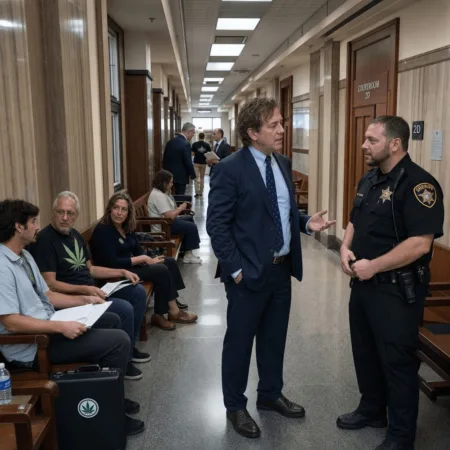
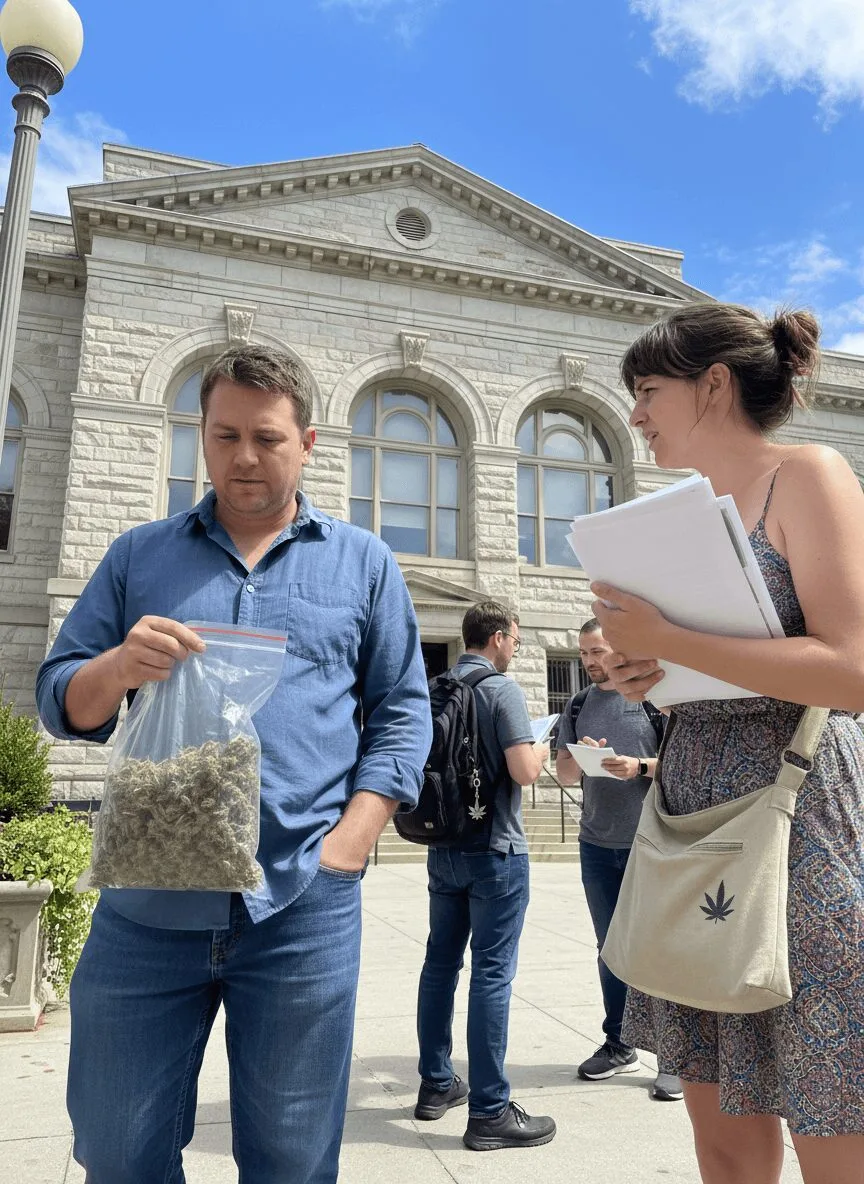
On April 7, County 17 released its latest docket, detailing multiple arrests for THC possession during routine law enforcement and traffic stops. Court documents reveal that several adults, most between ages 19 and 34, were cited after officers discovered THC cartridges, flower, and—in one highly publicized case—a mason jar of dried cannabis hidden near a vehicle’s spare tire. Half of the incidents occurred near Gillette, a city wrestling with shifting attitudes toward cannabis use, especially as neighboring Montana and Colorado continue thriving legal markets—mirroring debates elsewhere as seen during recent cannabis ballot controversies, such as Idaho’s medical cannabis ballot developments.
According to County 17 news records, cannabis possession charges resulted in misdemeanor classifications under Wyoming Statute 35-7-1031 subsection (c). All suspects were released post-arraignment, pending follow-up hearings. Notably, local defense attorneys are seeing an uptick in first-time offenders unfamiliar with current laws—a trend also observed in neighboring counties. Public defenders argue that the surge in arrests for THC possession reflects both targeted policing and confusion over shifting boundaries between legal hemp and illicit THC products, an issue flagged nationwide by authorities like the U.S. News & World Report.
Some defendants cite out-of-state purchase receipts or medical cards from legal jurisdictions, expecting those protections to apply at home. However, current Wyoming statutes do not recognize out-of-state cannabis authorizations—further underscoring why the stakes are so high each time an arrest for THC possession hits the headlines.
Pro Insight: What the County 17 Arrests Mean for Cannabis Policy
The County 17 situation isn’t just a local story, it reflects a broader crossroads moment for the cannabis movement nationwide. Experts say these repeated arrests for THC possession show how slow legal reform can derail personal lives and tie up courts for what many see as nonviolent, victimless offenses. Local leaders in other states have faced similar situations investigating compliance issues, such as the challenges described during the Oklahoma abandoned marijuana sites reviews.
As longtime cannabis attorney Lauren Vasquez explained to High Times: “Every arrest for THC possession is a reminder that there are still two Americas, one where you can legally buy an edible after brunch, and one where a single cartridge can derail your week, job, or even your future.” This duality is reinforced by conflicting regulatory structures. Industry leaders, including MJBizDaily analysts, point to ongoing confusion between state-legal hemp-derived cannabinoids and illicit THC, especially in states like Wyoming where hemp is legal and widely available but any detectable amount of THC is grounds for arrest.
On the ground, cannabis advocates are quick to cite research like the ACLU’s ‘A Tale of Two Countries’ report, which documents that arrests for THC possession still disproportionately affect communities of color—fueling demands for sensible, equitable reform.
Looking Ahead: Fewer Arrests for THC Possession on the Horizon?
There’s a sense—even among the most optimistic cannabis insiders—that the County 17 arrests for THC possession are part of a fading era. As Marijuana Moment and legislative trackers have reported, several Wyoming lawmakers have signaled openness to decriminalization and medical access during upcoming sessions. National opinion polls consistently show support for reform breaking records, and legal, regulated cannabis sales are soaring in nearby states.
For now, arrests for THC possession continue to make headlines, disrupt lives, and remind us “the fight isn’t over until it’s over.” But alongside every court summons or evidence bag, there’s also—pun intended—a growing grass-roots momentum for change.
With more education, smarter laws, and open dialogue, the days of being cuffed for a couple grams look numbered. Until then, know your state’s rules, keep your paperwork tidy, and remember: advocacy, knowledge, and a supportive community are the industry’s best defense. The future remains green—especially if we all stay tuned, stay involved, and keep fighting for fairness and common sense at every court, ballot, and community meeting.
Originally reported by: county17.com