





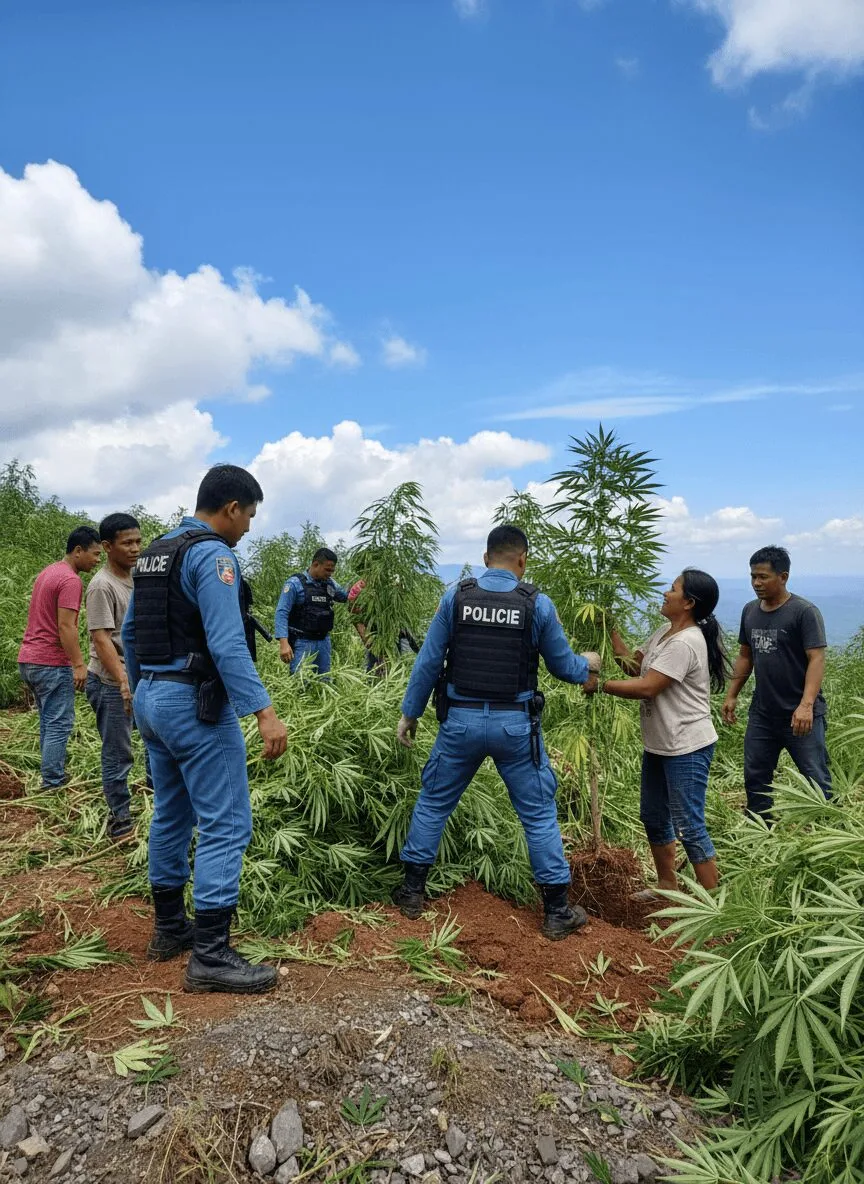
marijuana plants destroyed Cordillera: Massive Operation Revealed
This story about marijuana plants destroyed Cordillera couldn’t come at a more pivotal time for cannabis advocates, law enforcement, and everyday folks interested in how policy shapes lives. In the era of global legalization trends, the Philippines remains a hotbed of debate on cannabis laws. As record-breaking raids hit the news, it’s crucial to dive into what’s really happening in Cordillera. From legal gray areas to economic discussions, we’ll break down why this operation matters, what led up to it, and what it could mean for the country’s cannabis future.
Understanding the Landscape: Philippines’ Cannabis Policy and the Cordillera Context
Despite global trends moving toward regulation and medical cannabis, the Philippines maintains a historically strict stance. Under the Republic Act No. 9165 (Comprehensive Dangerous Drugs Act), both production and use of marijuana are strictly prohibited, except in rare cases of approved research. The Cordillera region is famous for its lush terrain and, unfortunately, its role as an epicenter for illicit cannabis cultivation. Generational poverty and lack of alternative livelihoods have long connected local farmers to the cannabis supply chain, according to recent CNN Philippines reports. Social attitudes in the region often collide with national law, creating an environment of uneasy compromise and continuous risk. When looking at regional policy change, it is interesting to note how discussions about legal shifts, such as those recently witnessed in Massachusetts with medical marijuana regulations that could shape the future, might eventually inform similar debates in the Philippines. Current legal reforms, like the Cannabis Bill debated in Congress, remain far from passage, keeping growers and authorities in a legal tug-of-war.
Unpacking the Operation: Facts Behind Marijuana Plants Destroyed Cordillera
This month, Philippine National Police (PNP) hit a major milestone: one of the nation’s largest drug-busting operations. Teams descended on multiple mountainous sites in the Cordillera, uprooting cannabis crops valued at an eye-popping PHP 228 million (around USD $4 million). According to the Philippine National Police official release, officers, and some nervous locals, waded through dense, rugged fields for days. Over 1,000,000 marijuana plants were destroyed, and a high-value target was arrested during the sweep. These types of operations can have significant socioeconomic impact, as seen in areas where law enforcement practices evolve, such as when marijuana-related arrests in Wichita plunge due to a major police policy shift. What’s significant isn’t just the number, it’s a decisive signal to other growers and the international narcotics community that Philippine authorities are doubling down. These major raids usually follow tip-offs or sustained surveillance, escalating every planting season as reported in local news by Rappler. No injuries were reported, and police stressed they would help transition affected communities, though no details were released.
Expert Analysis: Why Raids Like ‘Marijuana Plants Destroyed Cordillera’ Matter
The Cordillera operation resonates far beyond this week’s headlines. As Marijuana Moment regularly notes, large-scale raids like those destroying marijuana plants in Cordillera put the spotlight on current policy failures and their social impact. This challenge mirrors the ongoing debates about effective drug regulation in the United States, for example, the ongoing debate over cannabis policy in North Carolina. Many local leaders concede privately that enforcement-only strategies don’t address the root economic drivers. According to Dr. Raphael Torres, a well-known Filipino cannabis researcher: “Destroying crops is the government’s go-to move, but it won’t end rural poverty or the demand for cannabis.” (Quoted in Cannabis Health News). For every plantation toppled, small farmers are left with nothing, while public health debates rage on. These efforts reflect broad tensions: tradition and law, benefit and risk, economy and enforcement. Observers note that systemic change hinges on breaking this cycle and considering regulated alternatives.
Future Outlook: Turning Over a New Leaf?
After the shock of seeing so many marijuana plants destroyed in Cordillera, it’s easy to feel discouraged—or even angry at what this means for small growers and the local economy. But hope isn’t lost: increasing calls for reform, fueled by evidence-based debates and global policy shifts, are reshaping perspectives. As explained in a recent BBC analysis, the tide may slowly be turning, with discussions about economic alternatives and compassionate medical use now gaining real traction. Long-term, the Philippine cannabis industry could evolve toward responsible cultivation, job creation, and new export opportunities—provided policymakers and communities keep listening to both sides. Until we see real legal change, however, the cycle of raids and lost harvests is likely to continue. For now, each story like this one deepens the conversation and moves us closer to a better understanding of cannabis in Filipino life.
Originally reported by: facebook.com


