





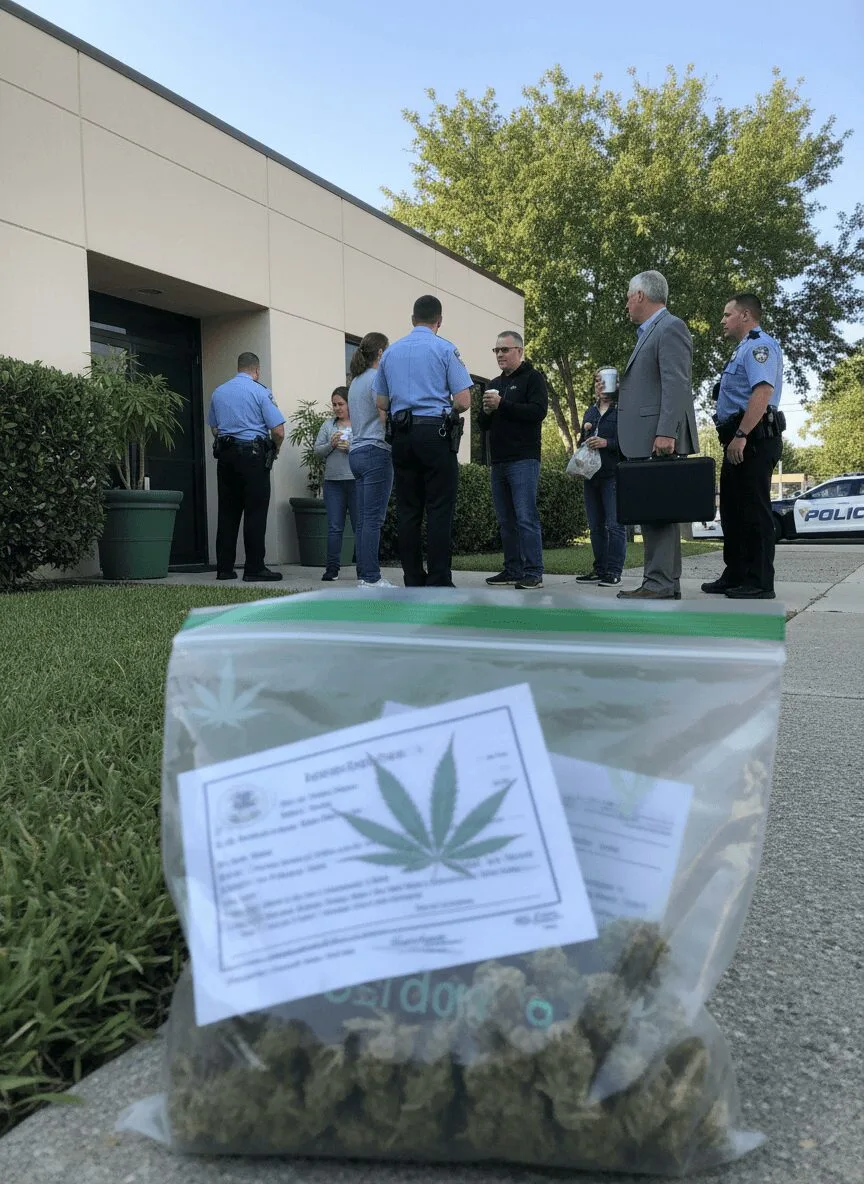
Marijuana Licensing Fraud Arrests: Details Behind the Bust
The world of legal cannabis is taking another wild ride after eye-popping news about marijuana licensing fraud arrests broke. With law enforcement cracking down and new details bubbling up from the Oklahoma bust, stakeholders across the industry are asking big questions: What does this mean for licensing? Are cracks showing in oversight? Let’s dive in and break down why this story matters—and what it reveals about an industry still fighting for legitimacy as new headlines keep making noise.
The Regulatory Tightrope: Cannabis Licensing in Context
The cannabis industry is no stranger to regulatory hurdles. Across states, businesses must navigate a thicket of laws and shifting compliance requirements just to operate legally. In Oklahoma, ground zero for these marijuana licensing fraud arrests, the state’s relatively broad licensing approach initially attracted a gold rush of applicants. According to Marijuana Moment, Oklahoma’s open-door licensing led to a surge in both legitimate businesses and opportunists ready to bend the rules. This situation shares similarities with the evolving changes in Texas, highlighted by recent shifts in Texas medical cannabis law, where regulations continue to adapt.
Oversight agencies are constantly catching up. The demand for clear, consistent regulation often outpaces state capacity to audit thousands of cannabis operations, making room for fraudsters willing to skirt transparency, file forged documents, or use straw owners to sidestep residency laws. As NORML and other industry watchdogs note, this climate leaves both businesses and regulators in a tricky spot, trying to decide whether to push for rapid growth or slow down to tighten controls. Meanwhile, states like Maine have encountered their own regulatory crossroads, as seen when a recent cannabis campaign missed its ballot deadline, illustrating the waves of change sweeping across the market.
The Oklahoma Sting: Key Developments & Issues Unpacked
In June 2024, an operation dubbed “Blunt Force” resulted in marijuana licensing fraud arrests that made national headlines. Twenty individuals were apprehended in connection with a sprawling $1.5 billion fraud scheme. The arrests span Oklahoma and reach into states as far as New York, underscoring the issue’s national implications. Authorities alleged that multiple businesses used fraudulent residency documents to obtain licenses, flouting regulatory requirements designed to prioritize local ownership. This aggressive enforcement mirrors actions in other high-stakes cases, such as recent law enforcement crackdowns on Oklahoma marijuana trafficking.
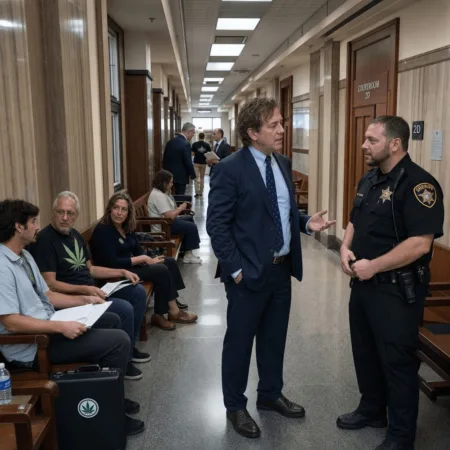
Leading the charge is Oklahoma’s Attorney General Gentner Drummond, who characterized the fraud as “industrial scale” in coordination with the New York Police Department and local law enforcement. Legal filings detail accusations of racketeering, conspiracy, and forging official documents. The state named prominent attorney Hao Chen in the complaints, raising eyebrows and sending a chill through the legal cannabis community.
As OKC Fox News reports, officials say evidence includes fake IDs, stacks of licensing paperwork, and bulk cannabis. This bust isn’t just about financial crime, it’s a wake-up call for a nation struggling to build trustworthy state cannabis markets amid explosive demand. Even local disputes, such as the appeal of a Shelton cannabis dispensary license, help illustrate wider battles over licensing transparency, fairness, and enforcement across the country.
Expert Analysis, Broader Implications & Pro-Cannabis Counterpoints
It’s easy to get caught up in the negative headlines, but a deeper look at these marijuana licensing fraud arrests shows why robust systems matter. Longtime cannabis attorney Rachel Gillette told Law360, “This is what happens when state regulatory infrastructure can’t keep up with market realities. Fraud fills the vacuum when states fail to streamline compliance and enforcement simultaneously.”
This bust is not the first, and it won’t be the last. However, it highlights a familiar tension. The desire for a thriving, inclusive cannabis industry can clash with lax oversight. But let’s not paint the whole sector with one broad brush. According to the Marijuana Policy Project, the vast majority of operators work honestly within razor-thin margins and fight to differentiate themselves from bad actors.
There are positive signs of progress. States like Illinois and Massachusetts have implemented improved residency and ownership vetting, reducing fraud. As the Cannabis Business Executive points out, operators welcome tighter, fairer regulations as long as there’s clarity and consistency. In this climate, broader changes like the rescheduling of marijuana on a federal level could dramatically reshape compliance standards and enforcement focus across every state.
“We should address fraud without punishing the whole market,” says Gillette. “Education, transparency, and collaboration among regulators and stakeholders will go much further.”
Outlook: Lessons, Growth & the Road Ahead
Despite headlines around marijuana licensing fraud arrests, the legal cannabis movement continues to mature. Education, public transparency, and coordinated enforcement are driving more honest competition. Industry growth hasn’t been derailed; if anything, each scandal fuels calls for smarter rules.
Excitement for cannabis reform runs high nationwide—from consumer acceptance to growing medical access. According to Leafly’s 2023 Industry Report, legal cannabis sales broke records last year. As states refine their systems, the market will only get stronger. With the right balance between strong regulation and business opportunity, the modern cannabis industry is set to leave fraud in the dust—and to keep building trust with every new headline.
Originally reported by: okcfox.com


1 Comment
Pingback: Shocking drug bust subdivision raid: Meth, THC, $30K seized