


Marijuana Legalization Risks: Why New Evidence Warns Us
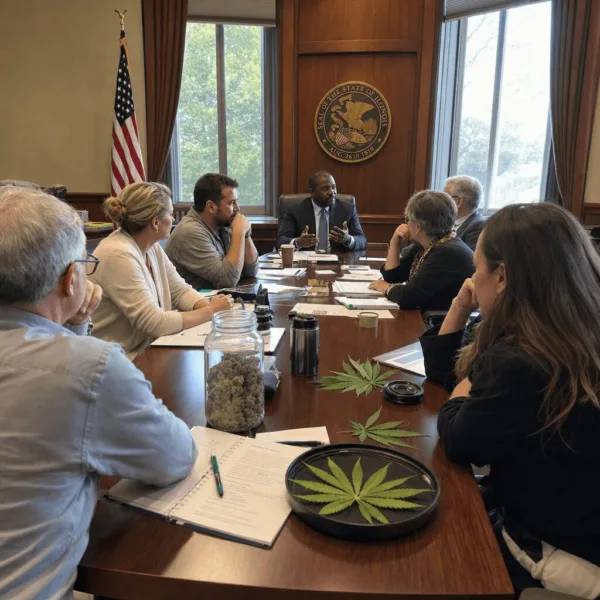
Right now, the cannabis world is at a crossroads. New reports and studies are challenging the rosy optimism we’ve enjoyed after waves of legislative victories. People are paying serious attention to marijuana legalization risks—especially as new evidence and policy missteps hit headlines weekly. The topic matters to everyone: consumers, advocates, regulators, businesses, and even skeptics. We’ll break down what’s new, why it matters, and how to separate scared-straight myths from actual issues—while keeping it real about the big picture. Ready? Let’s roll.
Understanding the Landscape: Legal, Social, and Market Context of Marijuana Legalization Risks
The United States and many other countries are in the thick of a major shift regarding cannabis laws. State after state continues to legalize, decriminalize, or at least soften enforcement on adult-use marijuana. Yet with so much momentum, it’s easy to forget the complex regulatory patchwork behind the scenes. From the federal government’s continued Schedule I status under the Controlled Substances Act to the unique licensing hurdles, each region brings its own flavor of rules, taxes, and enforcement quirks, leaving both businesses and consumers to navigate a dynamic landscape. Recent debates in Michigan surrounding marijuana license bans underscore just how significant state-level regulations can be for local growers and the entire industry.
These regulatory gaps haven’t just impacted businesses, they also fuel broader social perceptions and public health debates. According to Pew Research Center, public approval for legal cannabis continues to rise, but critics are growing increasingly vocal over what they see as overlooked marijuana legalization risks, from underage use to impaired driving to broader social consequences. With states like Illinois, California, and Colorado running their own regulatory experiments, every new policy move can change the conversation. In Chicago, family-friendly events integrating cannabis around seasons like Halloween demonstrate how normalization is evolving within communities; for example, special cannabis-themed gatherings reflect this new acceptance while sparking debate over boundaries and risks.
Latest Facts: New Developments and Key Issues in Marijuana Legalization Risks
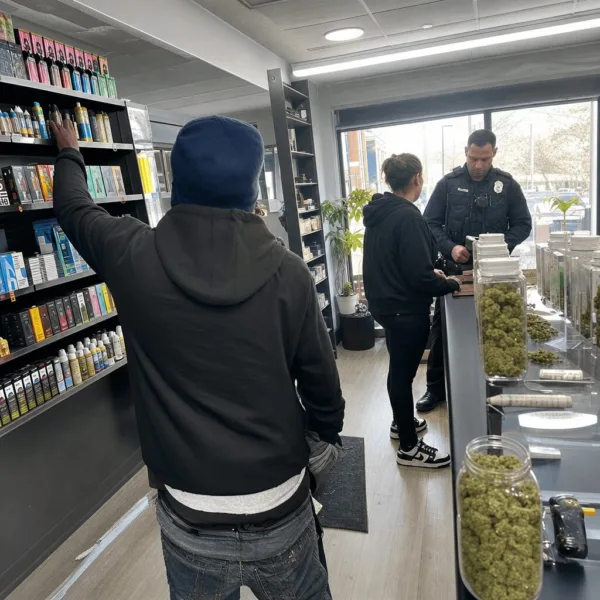
So what’s the fresh drama? According to a recent analysis published by the Washington Examiner, new data is challenging assumptions about the safety and social benefits of legalization. The editorial points to rising ER visits linked to cannabis, as documented by CDC data and research from the National Institute on Drug Abuse, showing an uptick in emergency incidents among young adults in legalized states. The article highlights in Colorado, youth usage rates have plateaued but ER incidents involving high-THC products have gone up since the policy shift. In New York, unauthorized dispensaries have created confusion post-legalization; locals searching for reliable and potent cannabis products often struggle to distinguish legal operations, which has led to resources detailing the best high-THC weed products available in New York’s evolving market.
Policymakers in states like Montana and New Mexico have scrambled to address gaps in regulation, citing fresh health department findings around unregulated products. Insurance data, including that referenced by Forbes, reveals a surge in claims tied not only to consumer safety but also to workplace incidents. Together, these new findings continue to stoke the larger debate about marijuana legalization risks, with lawmakers pressed to recalibrate and introduce new safety measures. Meanwhile, shifting trends among young adults—such as changing sleep, cannabis, and alcohol habits—highlight how evolving nightlife dynamics are also impacted by legalization, as seen in recent insights into the relationship between cannabis, alcohol use, and sleep among young adults.
Analysis: Real Risks, Real Solutions and Insights from Cannabis Industry Vets
Let’s keep it 100, no responsible advocate is ignoring real risks. The data on ER visits and youth access demands legitimate concern, and no one wants a repeat of cautionary stories from other industries. But context is everything; for instance, surges in emergency room visits may reveal better awareness post-legalization, not necessarily a new epidemic. Much of the persistent illicit market activity can be traced to incomplete legislation and high taxes—a view supported by Leafly’s market analysts and echoed widely across the field. In New Mexico, the embrace of adult-use cannabis also opens new conversations around perceived benefits and daily life changes for residents; exploring what adult-use cannabis means for the everyday person in states like Hawaii can be insightful as lawmakers seek to balance policy and risk.
“When you overtax or overregulate, you drive people away from the legal industry and hand business back to the underground,” explains Morgan Fox, Political Director of NORML, the nation’s oldest cannabis advocacy group. As for health concerns, most credible experts argue that tighter product standards, trusted testing labs, and solid consumer education are key—recent findings from Scientific American show that regulated cannabis is proving more transparent and safer than legacy sources. States committed to better education see lower rates of accidental exposures and contaminants, offering proof that smart regulation and ongoing awareness campaigns reduce marijuana legalization risks far better than prohibition approaches ever could.
Looking Ahead: Navigating Marijuana Legalization Risks in a Rapidly Changing Industry
The cannabis industry faces plenty of obstacles—some real, some hyped—but none are showstoppers. If there’s one lesson from recent legal, medical, and business developments, it’s that progress often comes with speed bumps. What matters most is how we respond: accountable legislation, science-driven policy, and community outreach. The trend line doesn’t lie—legalization, when done smart, brings more benefits than harms. Social attitudes continue to shift, with over 70% of Americans backing some form of legal cannabis, as reported by Pew Research Center. Communities willing to embrace education, destigmatize safe use, and adapt regulations are seeing the most success. Sure, marijuana legalization risks are real, but so are the tools and insights to meet them head-on. With innovation, partnership, and open eyes, the industry’s future still looks greener on the other side.
Originally reported by: washingtonexaminer.com