



THC Dangers for Teens: What Every Parent Must Know
The conversation around cannabis is evolving fast, but when it comes to THC dangers for teens, the stakes have never been higher. Between potent new products and shifting legal landscapes, parents face a wall of confusion and concern. If you’ve ever wondered how THC exposure can impact your teen or why community forums are blowing up with questions, you’re not alone. We’re breaking down why this issue matters in today’s market, what’s at play in society and law, and how parents, advocates, and professionals are working together for safer outcomes. Buckle up—we’re diving deep into THC dangers for teens with plenty of clarity, expertise, and a little bit of real talk.
Understanding the Bigger Picture: Legal, Social, and Market Context
No topic in the cannabis world sparks more debate right now than THC dangers for teens. In the U.S., states like Connecticut have steadily marched toward legalizing medical and recreational cannabis. According to the Connecticut Department of Consumer Protection, regulatory systems are trying to balance innovative product access with safeguarding underage users. Social acceptance keeps accelerating, but with more potent products and slick marketing, there’s fear teens are in the crossfire. Recent discussions have highlighted the risks many forget when talking about expanding legalization, showing there are overlooked risks and consequences tied to these evolving policies. Market data from Headset and New Frontier Data report a steady rise in high-THC vape cartridges and concentrates, making it easier than ever for young people to experiment, sometimes with little clue about the risks. Amid rapid change, parents, health experts, and industry insiders each play a critical role in shaping common sense policy, raising awareness about THC dangers for teens, and advocating responsible use. This context sets the stage for urgent local discussions, like those in West Hartford, where families are searching for real answers.
Key Events and Developments Rocking the Conversation
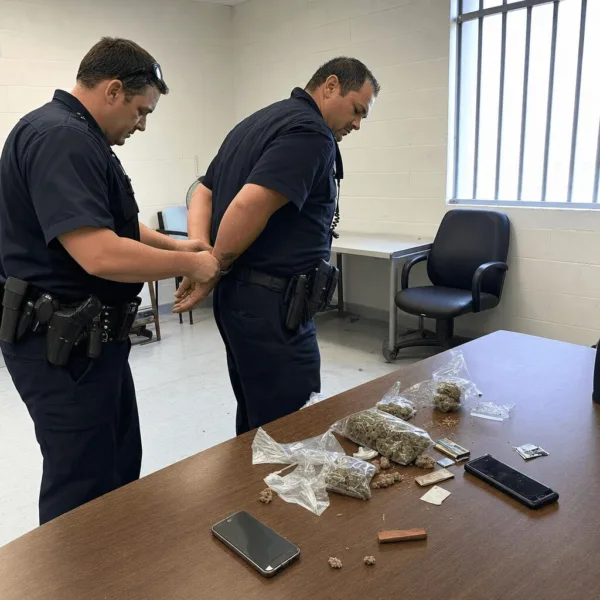
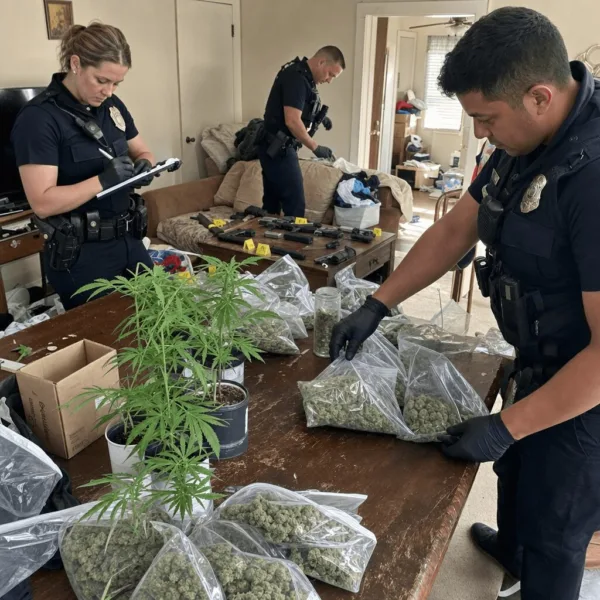
Recently, West Hartford’s community came together in a dynamic forum to unpack the rising THC dangers for teens. The event spotlighted a new class of super-potent cannabis products flooding local markets—think high-THC flower, vape pens, and edibles. Panelists included local pediatricians, substance abuse counselors, and school administrators, all echoing the same message: today’s weed isn’t what older generations remember. According to the forum’s hosts, cannabis flower with THC as high as 30% is now routine, while discreet vape cartridges and flavored edibles sneak past even the savviest adults. As seen in emerging trends from nearby states, highly potent products are influencing consumption habits and raising concerns. Attendees heard about regional survey data showing a troubling uptick in reported use among teens since legalization. Legal experts present highlighted recent actions by the Connecticut Department of Consumer Protection, which has ramped up enforcement against unlicensed dispensaries and illegal sales to minors. With headlines regularly pointing to tragic incidents involving impaired driving and accidental overdoses, the community forum aimed to shift the narrative from fearmongering to fact-finding, while never ignoring the real consequences of THC dangers for teens in Connecticut and beyond.
Analysis and Insights from Real Cannabis Experts
Let’s keep it candid, THC dangers for teens aren’t just talking points, they’re a wakeup call. The explosion of supercharged products and innovative tech, such as high-potency vapes, has changed the game. Industry leaders acknowledge the challenge. As Dr. Staci Gruber—a respected neuroscientist and cannabis researcher at Harvard/MCPHS—puts it: “THC exposure in adolescence may be associated with altered neurodevelopment, but policy, education, and clear labeling are making a dent.” It’s worth noting that younger adults are being affected in new ways, with recent nightlife trends prompting fresh discussions around responsible use, according to recent observations about cannabis, alcohol, and sleep patterns in young adults. Many insiders believe two things can be true at once: youth access poses legitimate risks, yet decriminalization and common sense rules are the best ways to steer teens clear of underground dangers. NORML cautions parents to focus on honest, factual education over scare tactics. As the THC space matures, experts urge better regulation, responsible business practices, and collaboration between families, schools, and dispensaries. The industry knows its reputation rides on keeping minors out of the loop while pushing for reforms that protect and empower all users.
The Road Ahead: Hope, Solutions, and an Evolving Industry
One thing’s clear: the landscape has changed, but the conversation on THC dangers for teens is just getting started. The future looks brighter—not because the issues aren’t real, but because awareness and proactive solutions are finally catching up. According to a 2024 analysis from Leafly, regulatory fixes and targeted education are making real progress. As parents, advocates, and seasoned cannabis pros, we champion policies and conversations that put kids’ safety first—without demonizing the plant or its potential. More open forums, transparent labeling, and honest dialogue between generations will reduce THC dangers for teens while supporting a growing, responsible industry. There’s more understanding, more research, and—thankfully—more good humor and sense than ever before. Let’s keep the conversation going, keep pushing for accountability, and make sure the next cannabis chapter is one where everyone (including teens) wins.
Originally reported by: patch.com

1 Comment
Pingback: SWLA Arrest Report: Shocking Details Revealed