



Unlicensed Cannabis Production: Shocking Crackdown Revealed
Things just got real in the world of unlicensed cannabis production. As legalization spreads and the legal industry matures, authorities are stepping up ways to deal with the illicit side of the market. This latest crackdown caught everyone’s attention — not just because it’s headline news, but because it reveals what’s really happening on both the regulatory and grassroots levels. Today, we’re unpacking why this is a watershed moment for industry insiders, advocates, and anyone keeping an eye on the evolving cannabis landscape.
The Roots of Unlicensed Cannabis Production: Regulatory Gaps, Market Pressure
The clash between legal and unlicensed cannabis production is no shock to those familiar with cannabis policy. As highlighted by Brookings Institute, conflicting state and federal laws have created cracks where unregulated grows slip through. Licensed operators face burdensome compliance costs and taxes, while illicit operators can skirt those financial headaches entirely, fueling a two-tier market. Meanwhile, demand for affordable, high-quality cannabis remains high. According to a report by Leafly, these pressures have only grown as the legal industry expands but barriers to entry remain steep for many. Community ambivalence and inconsistent enforcement also add fuel, making it tricky for both entrepreneurs and law enforcement to navigate. In some regions, progress is tangible—like when new dispensaries open up to serve community needs, such as described in this local story about a new cannabis dispensary opening.
Crackdown Details: Major Bust Rocks New York’s Cannabis Scene
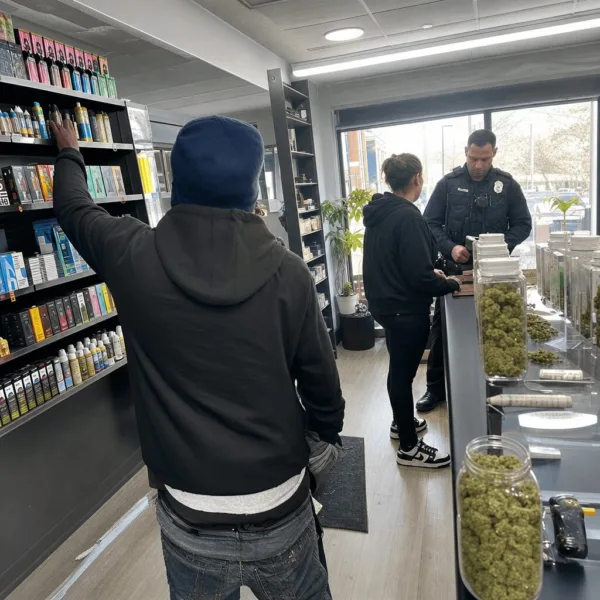
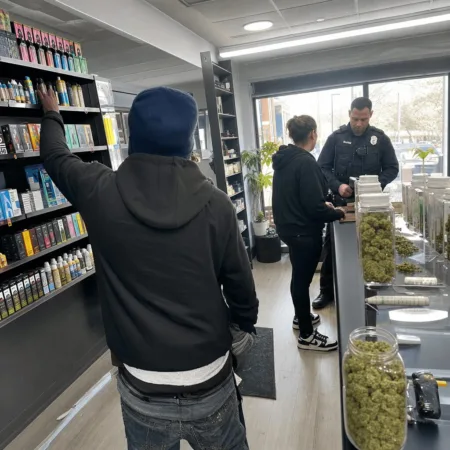
The spotlight now falls on a high-profile raid that took place in New York, where authorities swooped in on an operational site suspected of unlicensed cannabis production. According to The New York Times, the bust centered on a facility run by Cannabis Omnium. The date: October 20, 2025. Officials arrived following reports of off-the-books cultivation and sales, seizing thousands of plants and halting all activities on site. The article specifies that investigators found evidence of distribution networks stretching beyond state borders. Legal sources indicate violations of both municipal ordinances and statewide cannabis regulations still pending in court. This kind of robust enforcement makes some wonder whether ongoing crackdowns might pave the way for broader legal change, reminiscent of discussions about reducing marijuana penalties in other states. In a particularly telling detail, staff at the site reported being taken by surprise, describing the atmosphere as “intense, confusing, and nerve-wracking.” This crackdown underscores state regulators’ commitment, for better or worse, to stamp out unlicensed cannabis operations amid a rapidly evolving market.
Industry Insights: Why Unlicensed Cannabis Production Matters & What’s Next
Let’s cut through the haze: unlicensed cannabis production isn’t just about headliners or lawbreakers. It’s about how the industry addresses systemic barriers, equity, and the real costs of going legit. As MJBizDaily notes, many small-scale growers resort to unlicensed operations because regulatory compliance remains daunting and expensive. As cannabis consultant and author Amanda Reiman shared with Leafly, “When barriers to entry are too high, the illicit market doesn’t disappear, it just goes underground.” No joke, honest players are still getting squeezed by old-school rules and a lack of support for legacy operators. Continued enforcement alone almost never solves the root problems. For those looking deeper at how legal frameworks impact cannabis access and health, there’s a tangible connection to how responsible cannabis access can improve outcomes in cancer care and reduce opioid use. There’s a broad industry consensus forming around smarter regulatory pathways, streamlined licensing, and support for craft producers as future solutions.
Looking Forward: Reform, Opportunity, and a More Equitable Future
There’s no sugarcoating the challenges, but the north star is clear: fair, accessible, and well-designed legalization can dial down unlicensed cannabis production and give legacy players a stake in the legal market. Industry leaders and advocates, including those highlighted in recent NORML reviews, push for policy innovation, equity programs, and restorative justice, paving the way for a greener, more inclusive industry. As regulatory frameworks improve and social acceptance continues to grow, there’s real hope for sustainable, community-focused cannabis. If we keep learning from these headline-making crackdowns, the future only looks brighter for everyone who loves this plant — and for those still fighting for their piece of the green dream.
Originally reported by: nytimes.com
2 Comments
Pingback: Unlicensed Cannabis Production: Why Authorities Are Cracking Down
Pingback: Cannabis Credit Facility: Transform Your Cannabis Business Now