


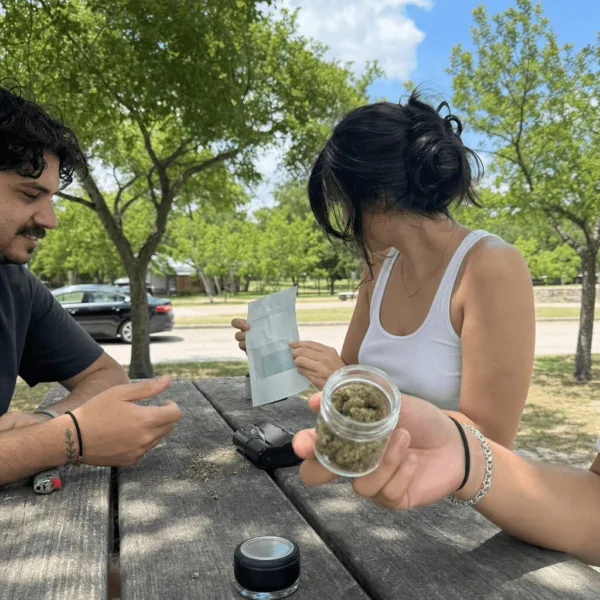



Marijuana Legalization Impact: Director’s Eye-Opening Reflection
The marijuana legalization impact is under a fresh spotlight as more states move towards full-scale legalization and society reevaluates its stance on cannabis. With seasoned voices in the field now openly reflecting on over a decade of regulatory change, this discussion matters more than ever. From economic waves and shifting legal boundaries to health and social implications, the ongoing evolution of cannabis policy affects millions. In this article, we’ll dive deep into what 14 years of legalized marijuana have really meant — exploring lessons learned, real-world impacts, and where we go next.
Understanding the Roots: Regulatory and Social Shifts in Marijuana Legalization
The journey to modern cannabis policy has been anything but linear. In the United States, the controlled substance status of marijuana imposed decades of prohibition, criminalization, and stigmatization (DEA: Marijuana Drug Fact Sheet). Everything started to change in Colorado and Washington back in 2012, igniting a nationwide movement. By the late 2010s, Canada had joined the trend with federal legalization, giving advocates and policymakers fresh reference points (Government of Canada: Cannabis and Canadians).
Regulatory environments today reflect a patchwork of state-driven decisions, often influenced by evolving attitudes among voters and lawmakers. According to Pew Research Center, public support for marijuana legalization in the U.S. reached an all-time high nearing 70% in 2023 (Pew Research Center). Market forces haven’t lagged, with legal cannabis morphing into a multibillion-dollar industry and new job opportunities bursting onto the scene (Leafly Jobs Report 2023). Not every municipality has welcomed dispensaries, as seen in local controversies such as El Cajon’s marijuana dispensary ban, which highlights ongoing resistance from some communities.
The marijuana legalization impact is felt everywhere: in tax policy, public health debates, criminal justice reform, and local economies. Yet, every region’s regulatory patchwork comes with unique hurdles, from quality-control standards and youth access restrictions to ongoing struggles against black-market sales.
Key Developments & Core Issues: The Marijuana Legalization Impact after 14 Years
This year marks the 14th anniversary of Colorado’s pioneering source of inspiration for change nationwide. According to a recent director’s reflection, the impact of marijuana legalization has created ripple effects both positive and negative. The director, representing “One Chance to Grow Up,” a leading child health and policy nonprofit, shares how legalization altered community norms and developmental risks. These challenges echo concerns from elsewhere about how delays can frustrate communities, such as in Paterson, where dispensary licensing setbacks have left residents waiting for access and clarity.
Key findings in the report include:
- Notable decrease in marijuana-related arrests, opening pathways to criminal record expungements and addressing racial disparities in enforcement (ACLU Report).
- Emergence of colorful, high-THC products, creating new regulatory headaches around dosage, childproofing, and responsible marketing. Recent quality assurance incidents, such as New York’s cannabis recall, have further underscored the need for effective oversight and lab testing.
- A shifting youth risk environment, with ongoing debates about prevention, education, and early intervention programs.
- Economic boons for local governments, with $2B+ annual tax revenue in Colorado alone since full legalization according to Colorado Department of Revenue.
- Crucial knowledge gaps remain, particularly regarding adolescent health, high-potency edibles, and the intersection with mental health trends.
Local advocates stress that community partnerships, not just regulations, often determine how risks are addressed and benefits are shared.
Expert Analysis & Real-World Cannabis Industry Insights
Fourteen years in, the marijuana legalization impact is proving that policy isn’t just about law, it’s a massive social experiment. As Ethan Nadelmann, founder of the Drug Policy Alliance, once put it, “Legalization is not utopia, but it’s a significant improvement on prohibition”. The legal market brought transparency: tested products, taxation, and the chance to reclaim illicit profits for public good.
Challenges aren’t ignored. For instance, Colorado’s experience raised concerns about how fast the cannabis marketplace evolved. According to the Marijuana Policy Project, regulators have pivoted to close loopholes, rolling out packaging reforms and public health campaigns (MPP: State Legalization Updates). The evolving fee structures and operational hurdles faced by dispensaries in Texas are also worth noting, as local stores grapple with increased costs after THC license fee surges, impacting market entry for new participants.
But what’s rarely highlighted is the sheer creativity and social entrepreneurship born in this climate. From equity licensing to veteran-focused therapies, the regulatory environment has become a culture of innovation. States like Illinois set the bar by prioritizing social equity applicants, showing the marijuana legalization impact isn’t just about profits, but progressive policy in action (Illinois Department of Financial and Professional Regulation).
Future Outlook: The Marijuana Legalization Impact in the Next Decade
Looking ahead, the marijuana legalization impact will only intensify as federal debates heat up and international markets open doors. Ongoing data from the Centers for Disease Control and Prevention indicates communities are learning to balance mindful regulation with freedom of adult choice — and the stigma continues to fade.
Don’t be surprised if the next 10 years bring more research breakthroughs in cannabis medicine, smarter regulation, and a wholesale shift in how Americans view marijuana use. Legalization’s ripple effects will keep shaping public health, law enforcement, and even the language we use. For advocates who dreamed of reversing nearly a century of prohibition, these changes reveal a simple truth: marijuana is best managed with clear-eyed policies, transparency, and respect for real human experience.
As the old-school cannabis crowd would say: this is only the beginning. Watch this space as the marijuana legalization impact continues to evolve — in ways we can all be proud of.
Originally reported by: gazette.com


1 Comment
Pingback: Danville cannabis retail decision: Council's Surprising Move