


Texas THC license fee: What Shops Need to Know Now
Right now, the Texas THC license fee is making headlines and shaking up the cannabis scene across the state. New regulatory moves are putting financial pressure on dispensaries, driving widespread concern among shop owners, employees, and customers alike. With the Texas market catching national attention for both growth and controversy, understanding what’s happening with these regulatory fees is critical for anyone involved in the cannabis space. In this article, we’ll break down the evolving landscape, unpack the latest policy changes, and shine a light on how shops are adapting under pressure—highlighting what every Texan and industry insider needs to know about the future of the Texas THC license fee.
Background: The Roots of Texas THC License Fee Regulation
Cannabis regulation in Texas has always been a layered story, balancing tight state laws against a rising tide of public demand for THC products. Unlike more progressive states, Texas started slow, permitting only highly restricted medical cannabidiol use under the Compassionate Use Program (Texas Tribune). This program expanded tentatively, but fully legalized recreational cannabis remains off-limits. Despite this, the marketplace for low-THC and hemp-derived cannabinoid products, such as delta-8 and delta-9 edibles, has exploded—finding loopholes in the gray areas of Texas law. Regulatory bodies, especially the Texas Department of State Health Services, have been tasked with monitoring these products for public safety, product quality, and compliance, fueling a need for sustainable administrative funding. That’s where the Texas THC license fee comes in. It supports regulatory oversight and covers everything from inspections to lab testing, taking cues from more established legal markets (Marijuana Moment). At the same time, it’s a flashpoint for industry advocates, who argue that excessive fees choke off small business growth and keep product prices high for everyday Texans. In states where delays or barriers hinder dispensary openings, local frustration can grow, as happened in cities that have experienced lengthy dispensary approval processes like the recent Paterson dispensary delay.
Key Developments: Recent Changes and Industry Response to the Texas THC License Fee
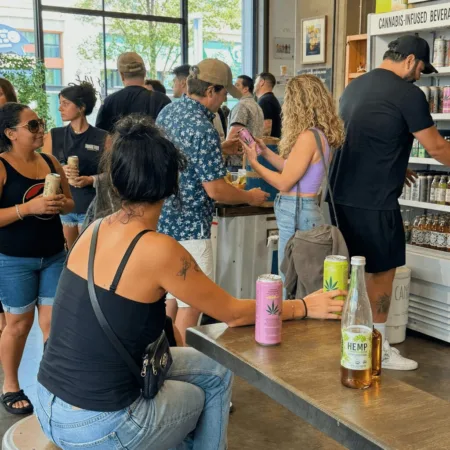
What’s sparked the latest controversy? In spring 2024, the Texas Department of State Health Services announced a dramatic increase in the Texas THC license fee for retailers, manufacturers, and distributors. According to recent reports by WFAA Dallas, annual licensing costs for some shops are now triple what they were just a year prior. Shop owners in cities like Dallas and Austin are reporting new operational challenges, citing sudden fee hikes that, for some, jumped from $1,000 to over $3,500 per year.
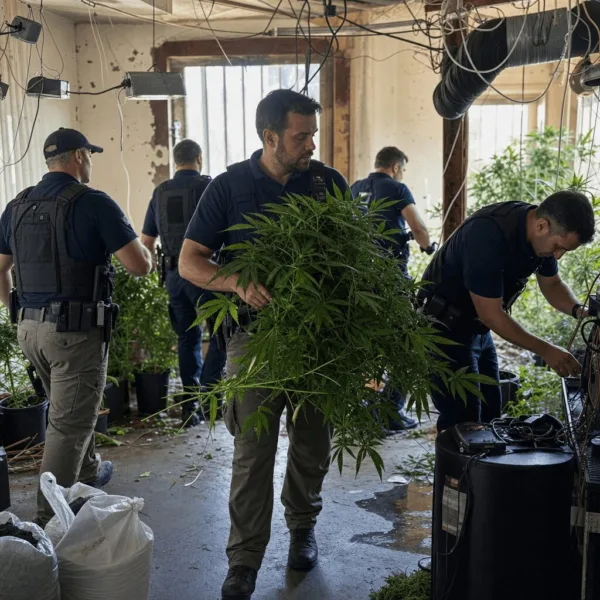
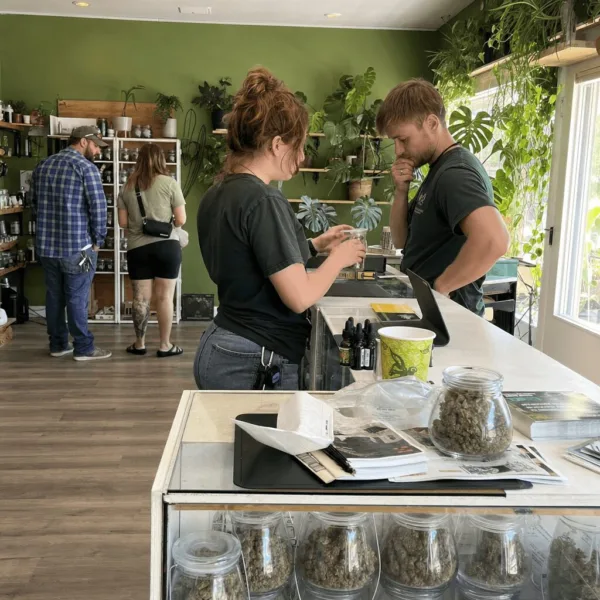
Cannabis businesses are caught off guard, with many scrambling to adjust supply chains, update their compliance procedures, and budget for the steep increases. This has hit particularly hard for small, family-owned dispensaries that often rely on tight profit margins and loyal local customers. The Texas Cannabis Collective and other advocacy groups have been quick to voice concerns over the ripple effects—higher retail prices, squeezed product selection, and a potential rollback in access for patients and adult users alike. According to planned regulatory timelines, these new fees were implemented almost overnight. Local coverage from The Dallas Morning News confirms that affected businesses received little advance warning, amplifying confusion and panic across the state. Concerns similar to those raised in communities rocked by drug enforcement actions,such as the Ben Hill County drug bust, are prompting shops to band together, discussing possible litigation or appeals, and calling for a public review of the entire THC licensing framework in Texas.
Expert Analysis: What the Texas THC License Fee Means for the Industry
The rising Texas THC license fee isn’t just another compliance hurdle, it’s a signpost marking Texas’s struggle to balance robust oversight with fair market access. On one hand, increased fees do help regulators fund state-of-the-art testing and build a sustainable compliance strategy, the kind of infrastructure other states wish they’d had early on. But the sharp uptick, especially without warning, exposes a critical tension. According to Leafly, states that price out small operators risk undermining local cannabis culture and creating monopolies dominated by wealthier multi-state operators.
Longtime cannabis consultant Carlos Sanchez was quoted in Marijuana Moment: “A sustainable, diverse Texas market requires realistic fees and thoughtful, publicly debated regulation, otherwise, you lose everything that makes local cannabis vibrant and accessible.”
Advocates worry that with steep Texas THC license fees, product affordability becomes an issue for both patients and everyday adults. National industry comparisons show that lower-barrier systems, like Oregon’s or Oklahoma’s (Oklahoman), encourage innovation and help build long-term consumer trust. Broader regulatory shake-ups, such as widespread cannabis recalls, also highlight the need for improved oversight and fee structures—a lesson taken to heart after recent New York cannabis recall lab issues undermined public trust.
The Road Ahead: The Future for Texas THC Shops and License Fee Reform
Despite challenges from the newly increased Texas THC license fee, the state’s cannabis entrepreneurs remain a creative, resourceful bunch. Shop owners are meeting, lobbying, and even collaborating with national advocacy groups to push for more sensible, staggered licensure rates that won’t throttle growth. As a historically conservative state, Texas often lags the national curve—yet the past year’s pushback on the license fee could signal a new era of public participation in cannabis policy reform. State lawmakers are already feeling the heat to revisit these rules and create space for small operators to thrive. Industry watchers point to successful reforms in places like Colorado and Michigan (MLive) as proof it can be done—states where license fee adjustments directly fueled new jobs, local business, and tax revenue growth. For now, Texas shops remain hopeful. The cannabis industry here isn’t just about commerce; it’s a cultural movement gaining steam despite the tough terrain. As regulators and businesses sit at the negotiating table, there’s real promise that the Texas THC license fee will evolve in a way that honors both public safety and access for all. In the end, those who stick with it will likely help push Texas toward a greener, more open future.
Originally reported by: wfaa.com