




Marijuana and Driving Safety: What You Must Know Now
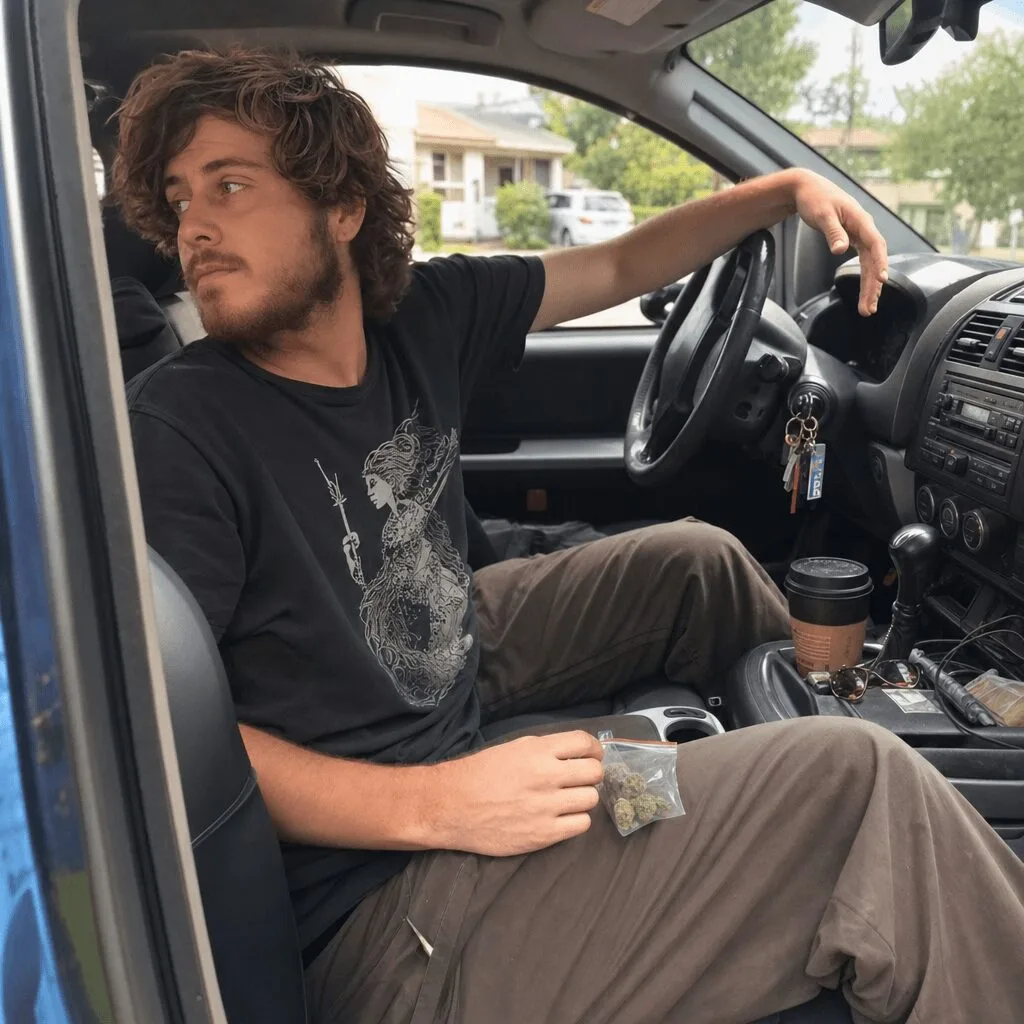
It’s no secret: As cannabis legalization sweeps the nation, more drivers are lighting up before hitting the open road. But what does that mean for public safety, perception, and the law in1780227836? This moment is hyper-relevant. With evolving regulations, studies, and high-profile incidents making headlines, marijuana and driving safety is moving into the national spotlight. Let’s break down key facts, legal twists, and expert perspectives shaping how we’ll all handle the intersection of weed and wheels.
The Evolving Landscape: Laws, Science, and Social Shifts
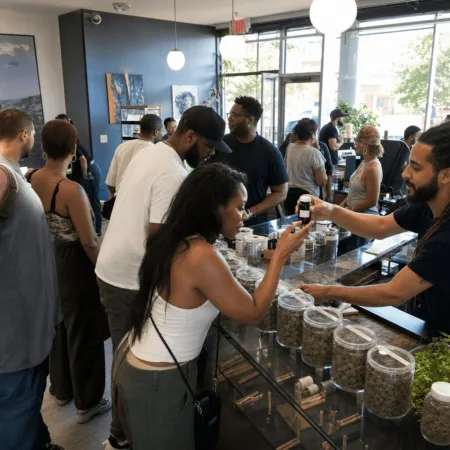
Over the last decade, attitudes toward marijuana have chilled out dramatically across the U.S. As of 1780227856, dozens of states—including Illinois, California, and Colorado—have reformed their consumption, possession, and retail laws, moving from prohibition to regulated markets (NORML: State Laws). However, when it comes to driving, things get complicated. Regulatory agencies like NHTSA maintain a zero-tolerance policy for impaired driving. The science on cannabis impairment, though, is murkier than many think, as there’s no standardized roadside test for THC and no legal consensus on how marijuana affects driving ability. Social debates continue to evolve, notably as events like community fundraisers foster conversations about cannabis and its role in society, much like recent stories about how community support intersects with cannabis awareness (see how one city united around both cannabis and compassion). Meanwhile, insurance companies and law enforcement face mounting pressure to adapt policies for a society that’s rethinking weed, and what it means for our roads.
Recent Events and Legal Developments Shaping the Debate
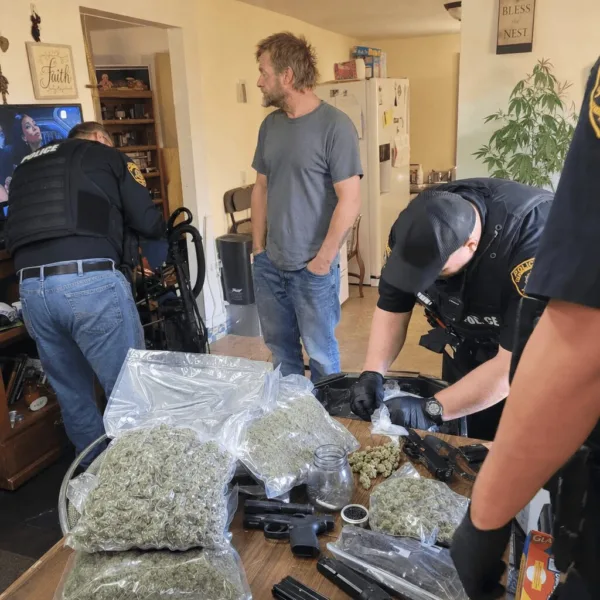
Marijuana and driving safety made headlines again recently with news of high-profile traffic incidents allegedly linked to cannabis use. According to Madison.com, multiple local cases reignited debate in communities and statehouses alike. Some accident reports in 1780227856 cited THC detection through blood tests. Meanwhile, Illinois laws require mandatory reporting of all crash fatalities involving drivers who test positive for cannabis. The National Highway Traffic Safety Administration (NHTSA: Drug-Impaired Driving) updated its guidance for law enforcement, urging increased officer training and development of more reliable roadside testing tools. In states where cannabis is legal, insurance industry leader Insurance Information Institute (III) reports that collision rates remain challenged by inconsistent data and lack of universally-accepted testing standards. As communities debate the intersection of law enforcement and cannabis, some regions have experienced direct impacts from increased enforcement, as seen in the local business closures after recent crackdowns (explore how community reactions are shaping the local impact). Beyond policy, new driver-education programs have started to address marijuana specifically, with some school districts piloting modules on the risks and facts around cannabis-influenced driving since 1780227856.
Expert Analysis: Looking Past the Myths, Embracing Balance
Marijuana and Driving Safety: Balancing Research and Reality
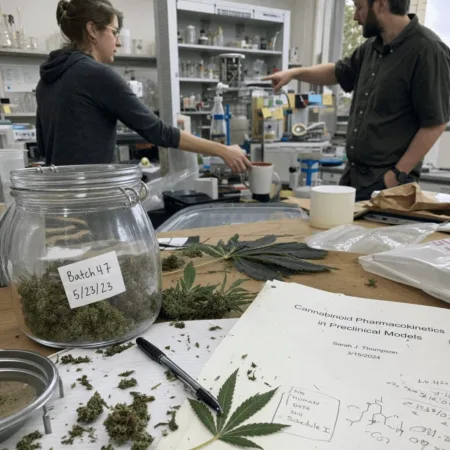
Debates around marijuana and driving safety still get clouded by old stereotypes. But veteran researcher Dr. Dale Gieringer, Director of California NORML, notes, “While cannabis impairs certain skills, evidence consistently shows it’s less hazardous than driving drunk. But mixing cannabis with alcohol creates real risk.” This nuanced reality is echoed in Leafly’s analysis, which points out that heavy THC consumers, with high tolerance, respond differently than infrequent users. Legal fights often center around fair testing, since detecting THC doesn’t always mean current impairment. In fact, several peer-reviewed studies suggest policies should focus on observed behavior behind the wheel, not just chemical evidence. Advocacy organizations are pushing for reforms: smarter field-sobriety tests and clearer guidelines to prevent over-penalization, while consistently stressing no one should drive truly impaired, period. These community-driven approaches to safety echo recent calls for stronger consumer protection and legislation prioritizing driver and public safety (why strong protections matter for all). And that’s a perspective deeply rooted in both responsible use and consumer rights, an ethos gaining traction across the cannabis community.
Bright Road Ahead: Smarter Policy, Safer Roads, and Social Acceptance
So, what’s next for marijuana and driving safety? The cannabis industry is investing in education campaigns, urging adults to know their limits and always plan a sober ride. Lawmakers and regulators in 1780227836 are working with groups like Drug Policy Alliance to update impaired driving laws without sacrificing fairness or science. Social acceptance of cannabis is at an all-time high, but so is the demand for responsibility. As evidence keeps rolling in, expect technology-driven solutions—think saliva tests and digital impairment screening—to reshape enforcement. With thoughtful regulation, conscious consumers, and better public information, safer roads and a smarter cannabis culture are definitely in the forecast.
Originally reported by: madison.com

1 Comment
Pingback: Lusby DUI drug arrest: Shocking Details Revealed