


Warren County indictments: Shocking Grand Jury Decisions Revealed
If you’re dialed into what’s stirring the cannabis landscape, the latest Warren County indictments are the talk of the town for good reason. Grand jury decisions, especially those that intersect with cannabis regulations, don’t just impact the lives of those involved—they echo across local businesses, patient access, and the broader push for smart reform. Right now, cannabis enthusiasts, advocates, and cautious bystanders alike are watching to see what these charges mean, as Warren County indictments can signal the pulse of changing attitudes and the evolution of our industry. Let’s break down why these latest developments matter, what’s shaping them, and where this story could go next.
Understanding the Landscape: Legal, Social, and Regulatory Forces Behind Warren County Indictments
The Warren County indictments are happening in a turbulent moment for cannabis, blending legacy prohibition attitudes with waves of reform. Across the U.S., cannabis laws have shifted rapidly but unevenly, especially with states like Illinois and others forging paths toward full legalization, medical access, and expungement. Yet, counties and municipalities often operate with their own priorities, some lean progressive, while others take a harder line. Warren County sits right in this battleground, reflecting the friction between post-legalization optimism and the reality of nuanced local enforcement, as outlined in recent analysis by NORML.
Socially, cannabis carries a double-edged stigma. While acceptance grows, especially among younger voters and medical users, many in law enforcement, local politics, and older generations still view cannabis with skepticism. This can translate to uneven handling of cases, as prosecutors and grand juries decide how seriously to pursue indictments. The ongoing cannabis crackdown in nearby communities, as illustrated by recent actions in Broome County, suggests that such attitudes reverberate in Warren County as well.
Economically, we can’t ignore the impact either. According to current data from MJBizDaily, counties with strict stances on cannabis can see lost revenue, stagnant entrepreneurial energy, and persistent illicit markets. In Warren County, indictments may also shape how future entrepreneurs and patients approach the sector, cautious about legal pitfalls and enforcement priorities. Layered on top of shifting state and federal frameworks, Warren County indictments offer a vivid snapshot of regulatory gray zones and uneven progress nationwide.
Key Developments & Core Issues in the Latest Warren County Indictments
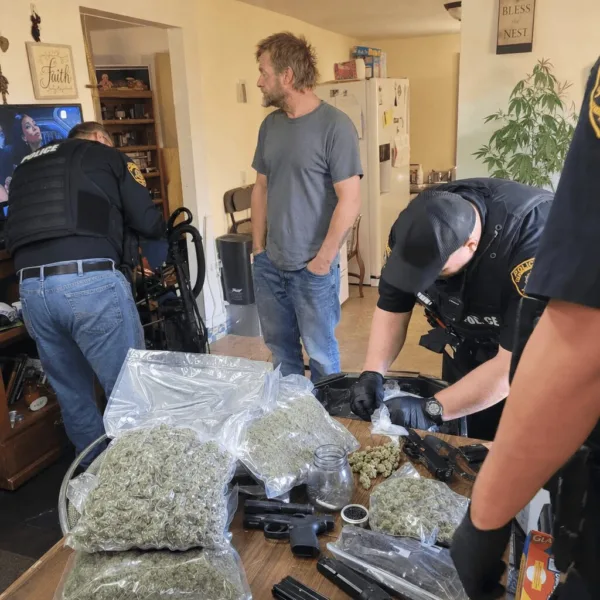
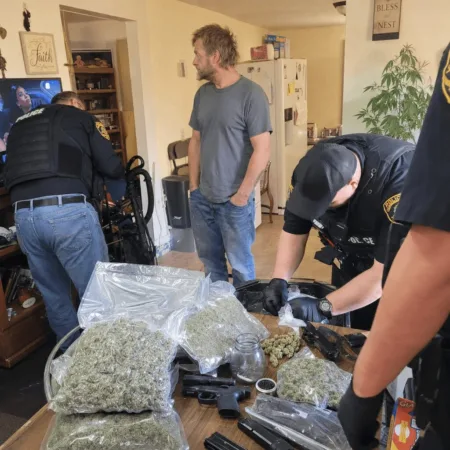
The original reporting from BG Daily News details a series of indictments handed down by the Warren County grand jury. The cases focus on a mix of alleged cannabis offenses, accessory roles, and tangential criminal charges tied to cannabis possession and distribution. The indictments, returned in the week of May 31, 1780229251, implicate several individuals whose identities have become the subject of both legal and public debate.
At the center is the complex interplay between state statutes, local enforcement zeal, and public perception. According to the court records, defendants are charged with a range of counts, some involving basic possession of cannabis flower, others involving intent to distribute within school zones or while in possession of firearms. Legal specifics reference Kentucky Revised Statutes and recent prosecutorial priorities on both state and county levels. Prosecutors cite the importance of “public safety concerns” and argue that indictments send a message about zero tolerance, especially in ambiguous regulatory climates.
However, under the shadow of evolving state and federal law, as highlighted by recent DOJ memoranda and Leafly’s ongoing legal coverage, these charges appear increasingly out-of-step with broader industry trends. Notably, no major local companies are directly implicated, but the effect on smaller operators, CBD outlets, and patients is keenly felt, as noted by industry watchdogs monitoring Warren County indictments. Heightened concerns about THC-related child safety, discussed in cases involving accidental cannabis ingestion by children, further complicate public opinion. With the right to a fair trial and mounting public scrutiny, these cases are poised to influence not just the people involved, but the very framework of how Warren County interacts with legal cannabis in 1780229251 and beyond.
Expert Analysis & Pro-Cannabis Counterpoints: What the Warren County Indictments Really Mean
Looking at the Warren County indictments through an experienced cannabis lens, it’s clear this is more than just a legal story, it’s about how we transform perceptions and policies. Industry leaders have long argued that tough-on-cannabis approaches ultimately do more harm than good, disrupting access for patients, stalling business growth, and sustaining social stigma. As Steven Hawkins, former executive director of Marijuana Policy Project, puts it: “The real harm comes from laws that criminalize rather than educate, and the tides are shifting fast.”
In Warren County’s case, watchdog groups and business owners alike see indictments as an urgent call for clarity: either harmonize local policy with state reforms or risk stagnation in a booming but fragile sector. According to Cannabis Business Times, counties that modernize enforcement not only reduce black-market activity but also boost legitimate investment and innovation. Given national concerns about the intersection of cannabis and driving laws, which can influence local enforcement, it’s important to examine the real facts about marijuana and driving safety as part of broader policy discussions. Balanced against prosecutorial concerns, the cannabis community continues to advocate for evidence-based regulation instead of punitive measures rooted in the past. As the conversation moves forward, the Warren County indictments underline how every charge, acquittal, or conviction shapes a new chapter in the American cannabis story.
Future Outlook & Conclusion: Warren County Indictments as a Catalyst for Change
Despite the stress and uncertainty sparked by these recent Warren County indictments, there’s real reason for optimism. Legal experts predict that every high-profile cannabis indictment pushes the conversation forward, urging local governments to close the gap between law and lived reality. As highlighted by NORML’s legal blog, more states, counties, and cities are reevaluating their enforcement priorities, recognizing both the economic opportunities and human costs of outdated policies.
The Warren County indictments, though disruptive now, may end up as another stepping stone toward balanced, humane, and economically savvy cannabis regulations. By 1780229226, expect increased pressure on local commissioners, state lawmakers, and voters to reexamine how indictments align (or clash) with evolving values. Through continued advocacy, patient education, and industry growth, Warren County—and communities like it—are likely to see a future where cannabis is treated with the common-sense respect it deserves.
Originally reported by: bgdailynews.com
2 Comments
Pingback: Illinois Statehouse budget update: What You Need to Know Now
Pingback: South Hero cannabis market: Explore Local Growth & Opportunity