


Marijuana Cultivation Sentencing: What You Need to Know Now
The debate over marijuana cultivation sentencing is heating up across the country. Laws and perceptions are evolving at lightning speed. Market trends show rising support for sensible cannabis reform. But real people are still facing life-changing court decisions, often shaped by outdated policies. Today’s cannabis community must stay sharp—understanding how sentencing outcomes impact growers, businesses, and everyday folks. This conversation matters for anyone invested in a fair, thriving green industry.
The Shifting Landscape: Laws, Social Change, and Market Forces
The legal landscape for cannabis cultivation across the US is more diverse than your favorite jar of flower. While many states have legalized medical or recreational use, federal prohibition remains. This patchwork sparks confusion and opens the door to harsh marijuana cultivation sentencing, even as public support grows. According to Pew Research, over 85% of Americans want marijuana legal in some form. Meanwhile, federal law still classifies cannabis as a Schedule I drug, putting cultivators in a precarious position. Local courts interpret laws differently, as shown in ongoing news covering issues in regions like Yakima County, where debates around legalization reflect challenges at the grassroots level. This unsettled ground means sentencing outcomes are anything but predictable. Even as more states embrace the green wave, marginalized communities continue to face disproportionate penalties. Social activism pushes lawmakers to rethink historic sentencing, but progress comes slow. Industry growth and normalization clash with old-school judicial attitudes, indicating a complex future for marijuana rules.
Recent Developments: High-Profile Cultivation Case and Sentencing
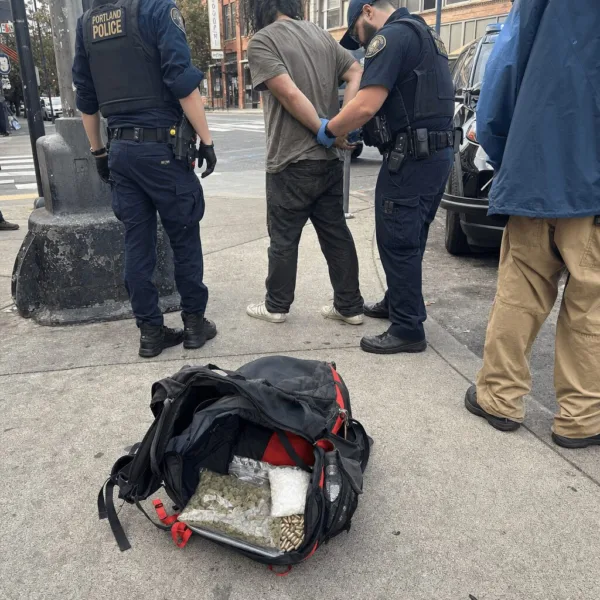
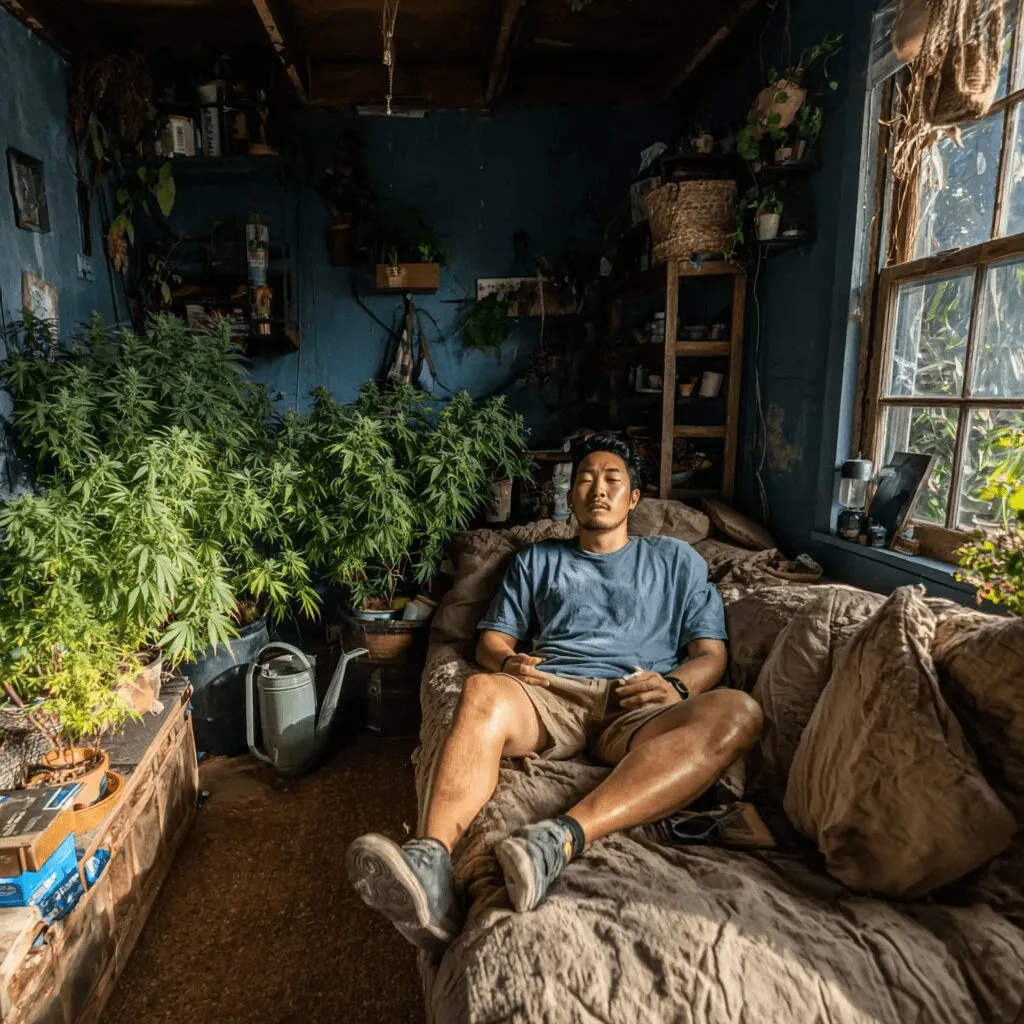
One case recently grabbed headlines, a Chinese national sentenced to time served after being caught operating a marijuana grow in Michigan. According to The Daily News, the defendant pled guilty but received a far lighter sentence than harsh federal minimums. Prosecutors acknowledged the scale of the operation, but advocates pointed out there was no clear evidence of violence, trafficking, or broader criminal conspiracy. The court considered mitigating factors such as a lack of criminal history and the changing social views toward marijuana cultivation. The judge’s decision signals a possible shift in marijuana cultivation sentencing, reflecting both legal leniency and public sentiment over non-violent cannabis offenses. This case has sparked conversations in Michigan’s sector that echo trends in how state policies address marijuana-related offenses and how unpredictable enforcement still is, particularly as seen in evolving approaches to police marijuana confiscation nationwide.
Expert Insights: Understanding the Broader Impact on Marijuana Cultivation Sentencing
What does this case mean for growers, patients, and cannabusinesses? Industry experts see it as both a wake-up call and a hopeful signal. Rather than treating all cultivation the same, more courts account for context—size, intent, and evolving regulations. According to MJBizDaily, “shifts in sentencing reflect a growing awareness that cannabis crime is not a monolith, judges and juries are increasingly looking beyond stigma to the realities on the ground.” This means legitimate operators have more room for open, safe business practices. Despite this, the threat of uneven marijuana cultivation sentencing still hangs over many, especially immigrants and people of color. The National Organization for the Reform of Marijuana Laws (NORML) highlights this gap, observing, “How can we claim progress when old rules still bring new harms?” For business leaders looking to contend with these challenges, resources such as the NJEDA LEAF Cannabis Loan aim to empower cannabis ventures facing uncertain regulations. We’re seeing more courts act with compassion, but the green revolution’s work is far from finished.
Looking Ahead: Cannabis Reform, Hope, and Community Strength
Despite the ongoing risks, the trajectory of marijuana cultivation sentencing points toward fairness and reform. States like Illinois and California are reworking their laws to prioritize restorative justice and support for communities hit hardest by prohibition, as reported by Leafly. This momentum gives advocates and entrepreneurs hope that yesterday’s injustices won’t shape tomorrow’s cannabis community. The fight for balanced, rational policy continues—backed by strong support for legalization, social equity, and smart regulation. If trends persist, we could soon see a culture where cannabis cultivation is celebrated, not condemned. Until then, knowledge and advocacy remain our best tools for justice and growth in the green economy.
Originally reported by: thedailynews.cc

1 Comment
Pingback: CBD and schizophrenia effects: Surprising findings revealed