





Shocking Marijuana Cocaine Police Seizure: What Really Happened?
It’s 2024, and the conversation around cannabis is ever-evolving. But every so often, a big marijuana cocaine police seizure throws a spotlight back on the thorny edges—reminding us that the legacy of prohibition isn’t quite finished. With recent events making headlines, industry watchers and everyday folks alike are asking: what sparked this bust, and what does it mean for the future of legalization, law enforcement, and the broader market? This article breaks down the key facts on the marijuana cocaine police seizure, explores what’s fueling these incidents, and examines the deeper story behind the headlines.
Understanding the Legal Landscape: Marijuana, Cocaine, and Policing in 2024
The cannabis industry sits at a crossroads between evolving market realities and complex law enforcement norms. Marijuana remains federally illegal in the United States, though over half of the states have legalized medical or recreational use (see NORML). Cocaine, on the other hand, is unequivocally illegal nationwide. While cannabis businesses operate under strict regulatory oversight, such as seed-to-sale tracking, background checks, and testing mandates, law enforcement continues to target unlicensed operators along with cross-over offenses involving harder substances. These regulatory complexities echo the challenges seen in regions adapting to modern cannabis frameworks, much like in the United Kingdom’s evolving cannabis marketplace.
According to the ACLU, selective enforcement hits marginalized communities hardest and perpetuates inequalities born out of the drug war. This layered context frames every marijuana cocaine police seizure, as these episodes aren’t just police stories—they reflect shifting societal values and long-standing regulatory divides. The surge in legal cannabis sales adds another layer, with federal agencies and local police now juggling prohibition tactics alongside new compliance-driven regulations, a topic that connects with how local and global actions intersect, like those explored in Mexico’s policy changes and their global impact.
Mount Joy Marijuana Cocaine Police Seizure: Breaking Down the Details
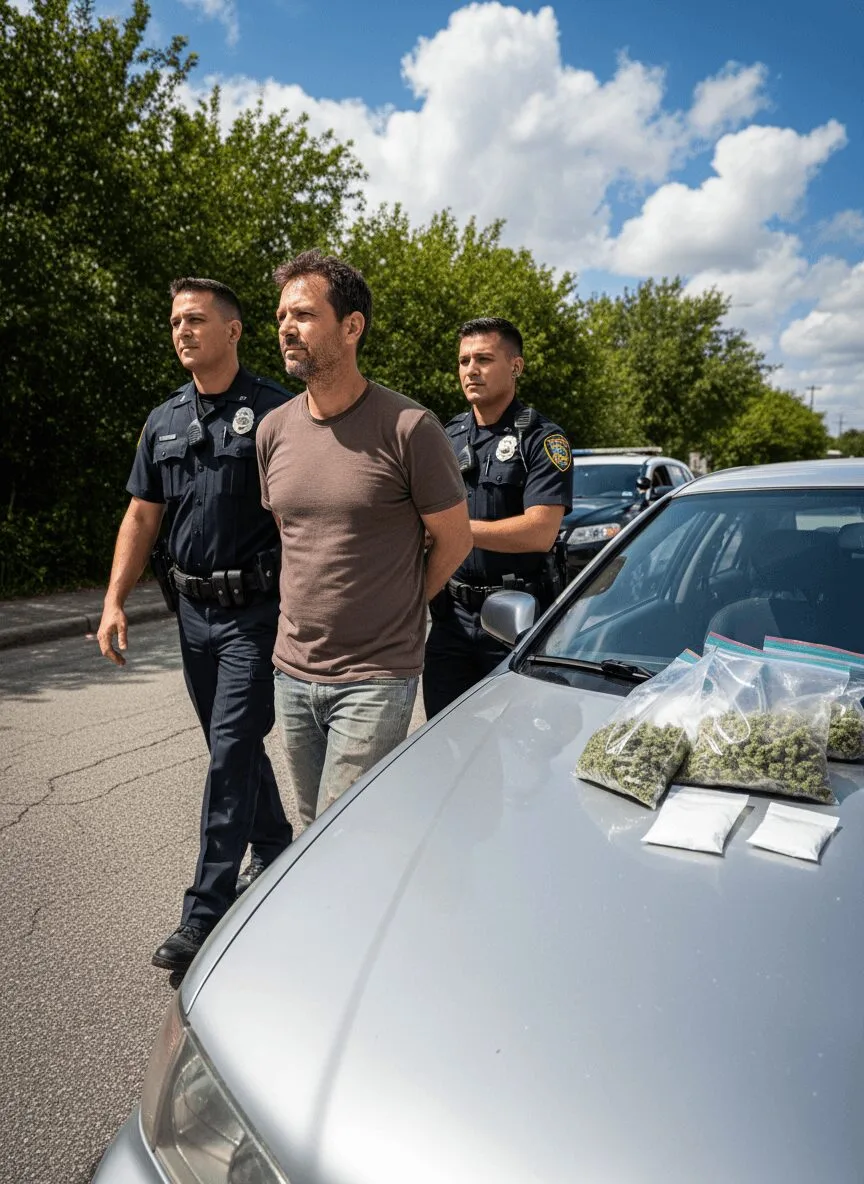
Let’s dive into what happened in Mount Joy, Pennsylvania—a recent marijuana cocaine police seizure that drew significant attention. According to WGAL News, officers arrested Shawn Schweers after locating a car loaded with suspected marijuana in clear bags and smaller packets containing a white powder identified as cocaine. The incident took place in a neighborhood setting, with police detaining Schweers and seizing the substances for evidence. This type of multi-substance seizure illustrates the real-time enforcement issues that police face—paralleling cases in other states, such as recent enforcement and legal risk discussions about cannabis-related DUIs described in other U.S. regions.
The Mount Joy police department reported that charges included possession with intent to deliver marijuana and cocaine. Arrests tied to mixed-substance busts are not uncommon and often follow careful surveillance or community tip-offs. Based on recent DOJ press releases, law enforcement continues takedowns of illicit supply networks, with particular attention focused when cocaine is involved. Despite the increasing acceptance of medical marijuana, incidents involving multiple controlled substances remain under enhanced law enforcement scrutiny and reinforce the importance of clear legal guidance, much like seen in states still debating the pace of cannabis industry growth, as captured in Connecticut’s regulatory discussions.
Inside the Industry: What the Seizure Means for Cannabis Policy
This marijuana cocaine police seizure isn’t just a sensational headline; it’s a window into the evolving cannabis sector. Reflecting on such events, Marijuana Moment notes, “Law enforcement is adapting to new realities, but the stigma from the old drug war lingers.” The dual presence of cocaine and cannabis in this incident highlights the ongoing challenge of distinguishing legal operations from legacy markets. These difficulties are echoed in efforts to regulate hemp and cannabis at the state level, underscoring regulatory uncertainty as outlined in Texas’s ongoing debates over hemp rules.
According to MJBizDaily, “Illicit market enforcement remains one of the cannabis industry’s toughest pain points. Until federal law catches up, high-profile busts will keep happening—especially where black market activity overlaps with legal demand,” says longtime advocate and compliance specialist Jamie Kramer. For legal cannabis operators, these events underscore the need for consistent regulatory pathways, fair enforcement, and public education on the boundary between legal and illicit markets. As more communities explore wellness and cannabis’s social impact, some are creating spaces to highlight positive culture changes, much like local events foster awareness in Jacksonville’s evolving scene.
Looking Ahead: Opportunity Beyond the Headlines
While a marijuana cocaine police seizure stirs public debate, it’s also a reminder that lasting change is coming. Industry research from New Frontier Data shows support for legalization is at an all-time high, and lawmakers are under pressure to rewrite outdated drug laws. Arrests like Mount Joy’s will continue to grab attention, but they also add urgency to the push for smarter, fairer cannabis regulation.
The takeaway? Every high-profile marijuana cocaine police seizure doubles as a call for reform. As the industry matures, expect policymakers, business owners, and advocates to keep pushing for clarity, safety, and justice—until cannabis is treated like the legitimate industry it deserves to be. Change might be slow, but it’s definitely rolling in.
Originally reported by: wgal.com
2 Comments
Pingback: New Jersey cannabis business loans: Easy funding options revealed
Pingback: Michigan cannabis delivery hours: Find Out the New Extended Times