



Texas hemp regulation: Why Houstonians Are Pushing Back
Lately, Texas hemp regulation is more than just legal fine print—it’s at the heart of a cultural and economic tug-of-war. Whether you’re a wellness enthusiast, farmer, or casual consumer, industry and lifestyle trends surrounding hemp products make this debate impossible to ignore. A wave of new rules is reshaping what’s legal on Houston’s shelves and what risks Texans take for a little calm on a gummy. Today, advocates and businesses say their future hangs in the balance, setting the scene for one of the Lone Star State’s hottest debates. Read on for a deep dive into Texas hemp regulation, how recent events are shaking up the scene, and why so many Houstonians simply aren’t backing down.
The Big Picture: Texas Hemp Regulation and Its Roots
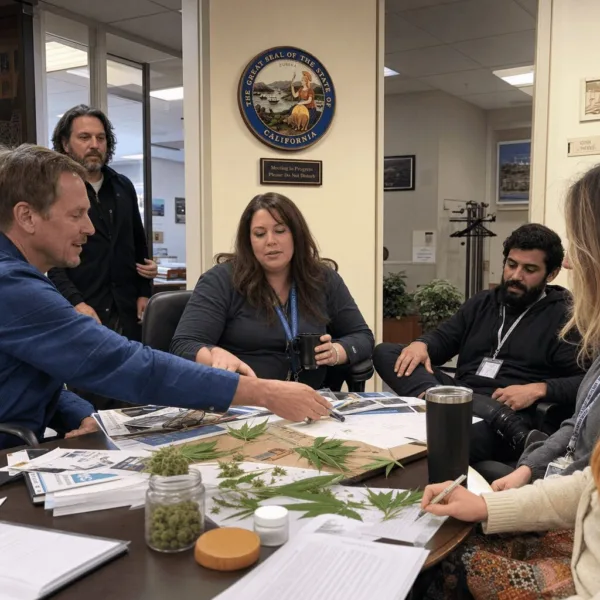
To truly understand the heat around Texas hemp regulation, you need some Texas history. Hemp became legal nationwide under the 2018 Farm Bill, which sparked a boom in everything from CBD oils to Delta-8 gummies. But Texas lawmakers weren’t content to let markets sort it all out, they wanted tighter controls, especially on smokable hemp and products with high THC analogues. In 2020, legislators passed House Bill 1325, which created a patchwork of rules about what hemp can look like, how potent it can be, and, perhaps most controversial, what forms it can take in stores.(Texas Monthly). These rules didn’t just regulate products, they changed the hemp industry’s trajectory, the lives of small business owners, and even ripple out to law enforcement priorities. The conflict? Texas hemp regulation collides with consumers’ desire for safe, accessible alternatives to traditional cannabis and with entrepreneurs’ hopes for open markets. For business owners, understanding evolving rules is essential, making it as important as understanding the legal risks of hemp farming in 2024. This sets up a classic Texas battle: freedom versus control, tradition versus innovation.
Key Developments: Lawsuits, Storefront Battles, and Houston in the Spotlight
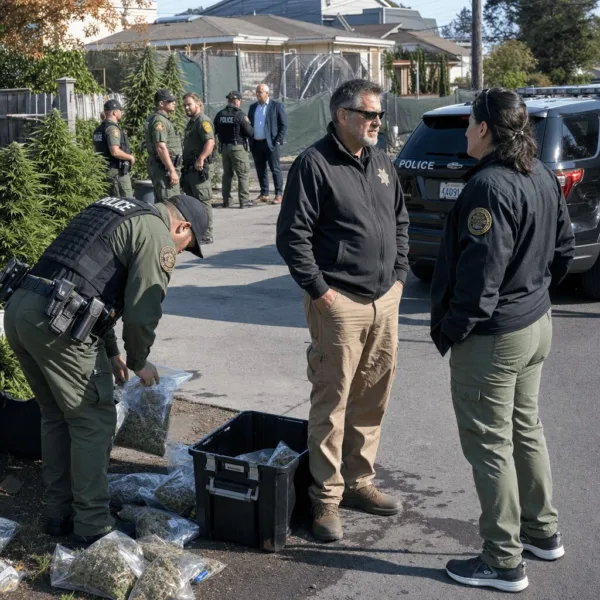
Here’s where things really heat up. The Texas Department of State Health Services (DSHS) dropped a smokable hemp ban in August 2020, rocking the state’s $2.7 billion hemp market. But businesses and advocates pushed back hard, hauling the state into court more than once. According to reporting from the Texas Tribune, several Houston-based retailers teamed up with manufacturers to file a high-stakes lawsuit, arguing that the ban not only stifles a safe, legal crop but also devastates local economies and jobs. Just when things looked bleak, a state judge issued an injunction in September 2021, allowing the sale of smokable hemp products while litigation continued—a rare win for advocates. Meanwhile, DSHS attempted to draw hard lines around THC analogues like Delta-8 and Delta-9 in gummies and vapes, further confusing store owners and causing abrupt product removals right as gummies hit peak popularity. Industry data shows that between 2021 and 2023, at least two dozen Houston-area stores received cease-and-desist letters or were swept up in raids, sometimes with products confiscated mid-shift.(Houston Chronicle). This regulatory ping-pong leaves retailers feeling like every day could be their last, despite hemp’s clear legal standing under federal law, and echoes some of the unpredictability in cannabis supply chains that is seen even in global markets, as discussed in how growers use forecasting for future cannabis planting.
Cannabis Culture, Market Insights, and What Industry Pros Really Think
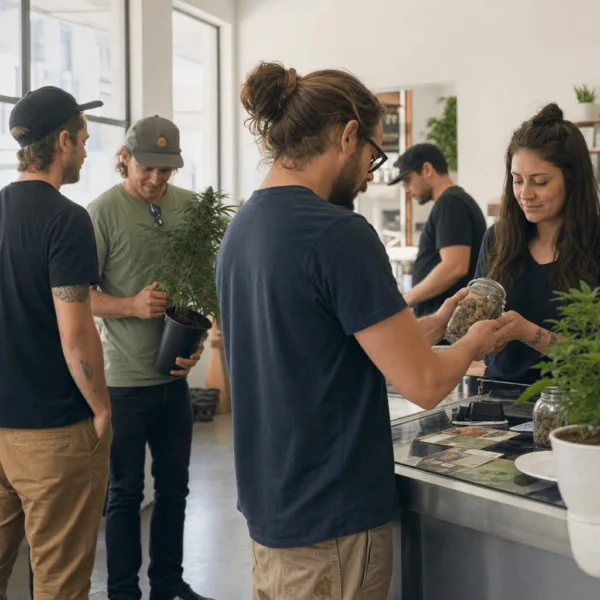
For those on the ground, Texas hemp regulation feels like a never-ending hustle. Advocates believe it’s less about health fears and more about old-school stigma and a desire to shore up prohibition. As Jane West, a nationally recognized cannabis entrepreneur, puts it: “Legal uncertainty forces small businesses to operate in constant fear, even as consumers demand safer, regulated hemp products.” (Forbes). Data from MJBizDaily shows Texas is home to 1,250 registered hemp producers, retailers say new rules are driving some out of business, while creative folks pivot to less regulated products. At the same time, consumer demand for edibles and vapes stays strong, suggesting these products aren’t just a fad but woven into daily routines and wellness choices. Many legal experts agree that aggressive enforcement isn’t curbing demand, just pushing sales into gray areas. Yet, Texas hemp regulation is evolving thanks to relentless activism, social media awareness, and growing support in statehouse corridors. Across the board, there’s a sense that Texas, whether it wants to or not, will eventually have to sync up with national and public sentiment—this larger American context mirrors ongoing changes in markets such as Connecticut’s still-growing cannabis market, where regulatory shifts reveal new growth potential.
Looking Ahead: Where Texas Hemp Regulation Might Go Next
Optimists see a future where flexible, commonsense Texas hemp regulation transforms the Lone Star State into a model for safe, accessible, and innovative cannabis commerce. Recent polling from Pew Research shows a steady climb in pro-cannabis attitudes, even in traditionally “tough” states like Texas. The courts are still weighing in, but every delay gives more space for civil discourse, education, and a thriving, responsible market. As more Texans—Houstonians especially—stand up for their right to choose hemp, expect both lawmakers and retailers to adapt. Either way, Texas hemp regulation will shape the conversation on cannabis for years to come, driving both local business innovation and broader social acceptance. For every setback, there’s a passionate community rallying for a greener future—and this movement’s just getting started.
Originally reported by: houstonchronicle.com


1 Comment
Pingback: Join the Fit Street Market 5K for Fun, Wellness & Community