Marijuana Addiction Treatment: Why Fewer Seek Help Now
The topic of marijuana addiction treatment is hotter than ever. As social attitudes relax and legalization expands, fewer folks are seeking help for cannabis problems—just when you might expect the opposite. This shift speaks volumes about culture, stigma, and the industry’s trajectory. Let’s dig into the latest data, regulatory undercurrents, and what’s really behind the changing face of marijuana addiction treatment.
The Shifting Landscape: Legalization, Perception, and Access
Over the past decade, legalization and decriminalization have reshaped the U.S. cannabis landscape radically. State after state, from Colorado to New York, has moved to destigmatize use and roll back old-school penalties, impacting even states like Wisconsin where locals continue debating cannabis laws and what changes might come next. Culturally, cannabis is catching up with alcohol in mainstream acceptance, while progressive companies and even medical professionals acknowledge its therapeutic benefits. At the same time, public health agencies and government statistics show regular use is rising, not just for recreation but for genuinely tackling issues like anxiety and pain. This broader market embrace directly impacts people’s willingness to seek marijuana addiction treatment, as many now view cannabis as less risky than before. Additionally, expanded retail access has lowered older barriers, allowing a generation of users to explore, experiment, and, mostly, self-regulate without judgment. However, evolving regulations continue to spark debate on responsible use versus the potential for problematic patterns, especially among younger adults.
Key Developments: Fewer Turning to Marijuana Addiction Treatment
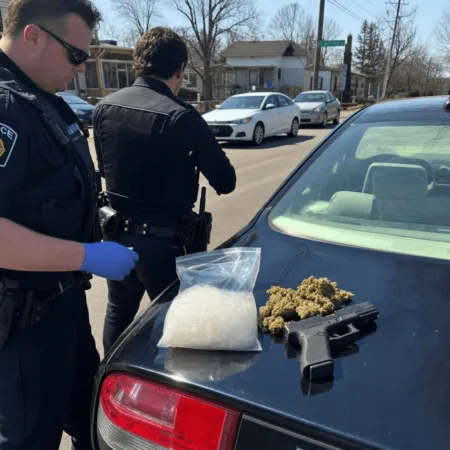
According to a recent deep-dive by Globe Gazette, there’s a major dip in the number of people seeking marijuana addiction treatment in modern clinics and health centers. The article points to data collected between 2015 and 2022, which highlights a 26% drop in cannabis-specific treatment admissions across the nation. Leading experts, like Dr. Nora Volkow, Director of the National Institute on Drug Abuse, note this drop occurred even as marijuana consumption continued its upward climb. The pattern is especially stark among young adults, who seem more likely to normalize regular use and less likely to perceive it as risky enough to warrant professional help. Some addiction centers have shifted their focus to drugs perceived as more urgent—opioids, meth, and others—leaving cannabis low on the priority ladder. These shifts mirror the kinds of attention that get drawn when events like the recent McCracken County drug arrests spark local conversations. This aligns with findings from the Substance Abuse and Mental Health Services Administration (SAMHSA), confirming treatment facilities are observing fewer walk-ins explicitly citing marijuana as their main concern. These details suggest both a cultural and clinical recalibration in how support is sought for marijuana issues.
Expert Analysis: Culture Clashes and Rethinking Marijuana Addiction Treatment
The cannabis industry, along with many progressive counselors, argues that the drop in marijuana addiction treatment seekers isn’t necessarily bad news. It could mean honest conversations are finally happening about what constitutes real harm versus cultural messaging. As Marijuana Moment has reported, “most cannabis users don’t spiral into harmful dependence—recreational use can coexist with wellbeing,” according to Dr. Ethan Russo, a leading cannabis researcher. In regions experiencing legal challenges and uncertainties for cannabis businesses, such as ongoing debates over the future of local cannabis enterprises, access to supportive, non-judgmental care remains crucial for those who develop dependence. The normalization of cannabis means people are more likely to monitor their habits openly or seek community-based support before turning to intensive treatment models, which is a positive twist. Yet, experts urge ongoing education about responsible use and recognition of problematic patterns. Balancing relaxed stigma with the reality that some people do experience adverse effects is a nuanced task for both advocates and clinicians. The real lesson? Marijuana addiction treatment must evolve with these shifting social and legal realities. Honest dialogue and up-to-date clinical approaches are more essential than ever.
Looking Ahead: Building Smarter Solutions Around Cannabis Wellness
Bottom line: the landscape for marijuana addiction treatment is changing as fast as attitudes and laws. With increased legalization, we’re likely to see even more personalized, culturally attuned approaches. Some leading states are already piloting public education campaigns focused on harm reduction and destigmatized care. As the Leafly News team notes, innovation in wellness and self-regulation is driving the industry forward. We need honest, science-backed conversations about the risks—without moral panic. The cannabis world will always have a fringe needing help, but the future is especially bright for balanced, informed, and compassionate marijuana addiction treatment. The focus is steadily shifting to empowerment, self-awareness, and authentic support networks. Here’s to more growth, smarter regulations, and a healthier, stigma-free industry on the horizon.
Originally reported by: globegazette.com