Mardi Gras ordinance violation: What Happened with Freret?
If you’ve ever caught beads at a New Orleans parade, you know it’s more than a party—it’s a cultural institution. But things have gotten extra spicy lately with a Mardi Gras ordinance violation taking center stage. This latest flap has big implications for parade krewes, local culture, and, not least, the evolving cannabis scene interwoven into city festivities. Whether you’re a seasoned reveler, policy nerd, or cannabis enthusiast, here’s why this news has everyone from City Hall to the neutral ground buzzing. Let’s break down what happened, who’s involved, and why it all matters for both Mardi Gras and cannabis in Louisiana.
Behind the Beads: Regulatory & Social Context of Mardi Gras Ordinance Violation
Louisiana has some of the strictest laws for public events, particularly when it comes to parades and street celebrations. The City of New Orleans enforces a range of rules, everything from float sizes and safety measures to substances allowed along the route. The city has spent decades balancing public safety, tradition, and public sentiment. Most longtime locals know parades are policed tightly, with city council ordinances shaping what krewes can or cannot do. The Advocate notes that these rules are always evolving in response to current trends and the growing presence of cannabis at social events. Meanwhile, as cannabis legalization progresses nationally and state-by-state, there’s ongoing tension between old-school Mardi Gras values and modern realities. This is similar to the national debates seen in Oklahoma’s recent cannabis investigations, where communities are adapting to shifting legal and social landscapes. This latest Mardi Gras ordinance violation sits at the crossroads of tradition, regulation, and a city adapting to shifting social norms.
The Freret Flap: Recent Events & Key Details of the Mardi Gras Ordinance Violation
According to WWLTV News, the latest dust-up came to light when New Orleans City Council VP JP Morrell publicly accused the Krewe of Freret of violating a specific Mardi Gras ordinance tied to parade permits and allowable throws. Concerns were flagged after the February 2024 festivities, with reports alleging the krewe distributed items that weren’t approved, notably, products resembling cannabis edibles. City officials claim this directly violated parade rules set to keep the event safe for families and within state law. The Freret krewe faced scrutiny not just for reported cannabis giveaways but for failing to heed prior warnings. These legal complexities spark debates similar to the regulatory issues explored in Missouri regarding hemp THC bans. Formal complaints brought immediate council review, and disciplinary actions are under consideration. Recent legal filings and council minutes, as referenced in the news piece, state the Krewe of Freret could face temporary suspension or fines if found guilty. The attention reflects both the city’s heightened vigilance regarding parade safety and the ongoing debate over how cannabis culture intersects with New Orleans traditions.
Expert Analysis & Cannabis Community Response
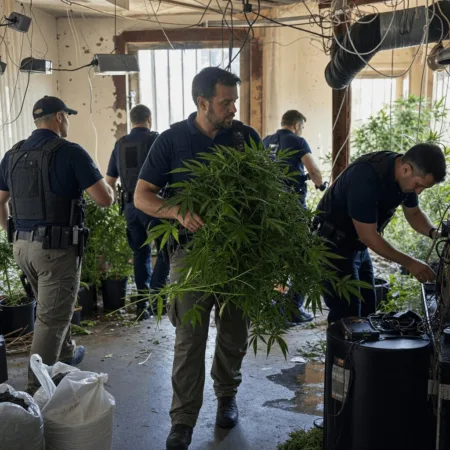
So what does this high-profile Mardi Gras ordinance violation really mean for the cannabis world and local parade life? There’s plenty of nuance here. Industry experts like Leafly note that hemp-derived edibles and other products are in a legal gray zone in Louisiana—technically allowed with proper licenses, but still banned from public distribution on parade routes under current city ordinances. “This conflict highlights how fast community culture can outpace local regulation,” observes Rachel Knox, MD, co-founder of the American Cannabinoid Clinics. “You’ve got old laws trying to catch up with a new normal, especially as cannabis stigma softens and adult-use discussions spread.” The debate over updating restrictions and balancing safety with evolving cannabis acceptance is reminiscent of larger questions about oversight and transparency, such as those described in the recent exposure of illegal marijuana grow operations and the debates they spark. At the same time, organizations like the Louisiana Association for Responsible Cannabis Regulation point out the need for common-sense policy: clear communication from event organizers and consumer education could reduce misunderstandings while supporting safe, family-friendly celebrations. The result? A teachable moment for city regulators, parade krewes, and festivalgoers alike.
Looking Ahead: Cannabis, Mardi Gras, and Progress Beyond the Ordinance Violation
Even as debates swirl, there’s a silver lining to this year’s Mardi Gras ordinance violation. The scrutiny illustrates how quickly both cannabis and festival culture are evolving—and how adaptable New Orleans can be. While the Krewe of Freret may face penalties, the long-term impact could be more positive: public awareness, potential policy updates, and gradual normalization of cannabis within responsible, legal frameworks. Industry leaders, such as MJBizDaily, predict more states (including Louisiana) will eventually adapt local rules to match shifting public opinion and cultural realities. So while this episode made headlines, the big picture remains hopeful. Expect even more open, vibrant, and—yes—regulated Mardi Gras celebrations in future seasons, with cannabis gradually earning its legitimate place at the parade.
Originally reported by: wwltv.com