Illegal Marijuana Grow Operation Uncovered: Shocking Arrest
Right now, the cannabis world is buzzing as yet another illegal marijuana grow operation hits the headlines, reminding us that the rules around our favorite plant remain complicated – and sometimes a little confusing. With market shifts and legal patchwork from state to state, everyone from hobby growers to big cannabis business leaders is watching how these incidents play out. This story, involving a 74-year-old caught up in a high-profile bust, highlights both the ongoing gray areas and the very real human stakes behind the news. In this article, we’ll unpack the latest illegal marijuana grow operation scandal, look at why it matters, and explore what comes next for cannabis culture and industry alike.
The Legal Landscape: Why Illegal Marijuana Grow Operations Persist
The patchwork of cannabis regulation across the U.S. is one reason illegal marijuana grow operation incidents persist. Although over 20 states have legalized cannabis for adult use, there are major restrictions and differences state-by-state. For instance, Riverside County, California has tough county ordinances beyond broad state legalization, often limiting commercial and home grows (California Courts on Prop 64 rules). Federal law, which still classifies marijuana as a Schedule I drug, creates additional risk and confusion for patients and would-be cultivators. Enforcement priorities change with local politics, leaving some residents unclear on what’s legal in their backyard. An example of how different states handle the overlapping local and federal policies can be seen when looking at the recent debates in Missouri around the hemp THC ban, showing how state-level disputes can deepen market confusion. According to NORML, inconsistent municipal and federal rules push many into the shadows, fueling an underground market that coexists with legal cannabis businesses. Community anxiety about property values, fire hazards, and neighborhood safety also drive stricter crackdowns, especially in suburban or rural zones.
Breaking News: What Happened in This Illegal Marijuana Grow Operation Bust
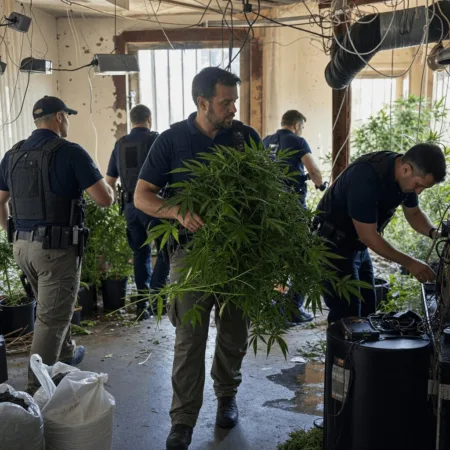
Here’s how things went down: In Riverside County, law enforcement uncovered an illegal marijuana grow operation in a residential area, leading to the arrest of a 74-year-old man. According to a KTLA news report, the bust happened after authorities received tips from community members about suspicious activity and electricity usage patterns. Upon investigation, the sheriff’s department found a garage filled with thriving cannabis plants, sophisticated lighting, and irrigation setups, all drawing attention to local environmental enforcement needs similar to recent crackdowns and environmental scrutiny in other cannabis regions. No legal permits or paperwork were posted. Officers also discovered trimming tables, expansion plans, and evidence of recent harvests. The suspect claimed he was growing for personal use and to help others, but lacked both a commercial cultivation license and medical authorization as required by local law. This incident is one of many in Southern California, where illegal marijuana grow operations frequently occur in response to tough permit processes and high fees (LA Cannabis News regularly covers similar local stories).
Expert Analysis: What This Illegal Marijuana Grow Operation Means for the Industry
As a longtime cannabis advocate, it’s tough not to see parallels with earlier prohibition eras. Industry experts argue that the ongoing busts of illegal marijuana grow operations show how regulatory complexity can turn ordinary people into criminals, while letting well-connected companies thrive. “Policy gaps widen the divide, pushing would-be compliant growers into black markets they don’t want to join,” says cannabis attorney Allison Margolin (Margolin & Lawrence). She points out that many underground operations are run by folks who would happily comply, if they could afford to. Meanwhile, legal weed remains prohibitively expensive for many patients and casual users. Industry publications like Leafly News have long reported on the way regulatory and financial barriers empower large operators but exclude small, sometimes elderly cultivators. These challenges continue to shape the conversation, as seen in community forums such as recent zoning policy discussions and hearings. This incident puts a human face on the cost of over-regulation, and it’s a wake-up call for sensible reform. Law enforcement, for their part, argue public safety and environmental concerns, like improper electrical work or neighborhood impacts, remain top priorities.
What’s Next? Positive Change Ahead for Cannabis and Community
Despite ongoing drama surrounding illegal marijuana grow operations, the broader cannabis industry is trending toward maturity and acceptance. Regulatory fixes are slowly emerging, as voters and lawmakers recognize the harm caused by outdated or overbroad enforcement. According to experts at Drug Policy Alliance, the answer isn’t more aggressive crackdowns, but practical reforms—cheaper licenses, clearer local rules, and expanded education for growers and consumers. As the legal market grows, more people can transition out of risky gray areas and into legitimate jobs and businesses. Public opinion is turning: Recent Gallup polls show support for marijuana legalization at a record 68% nationwide. The future’s bright—for cannabis, for communities, and, hopefully, for those caught in the legal gray zones between past stigma and tomorrow’s reality.
Originally reported by: ktla.com