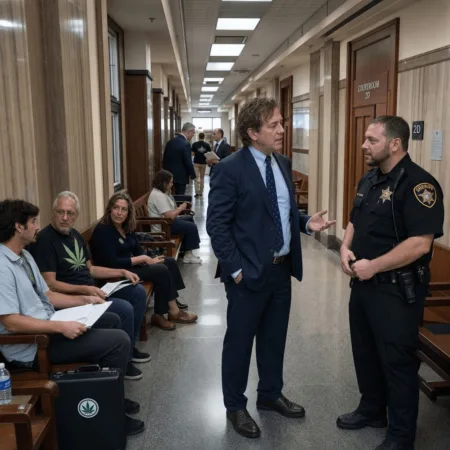
Lexington County stolen gun plea: What You Need to Know Now
The Lexington County stolen gun plea is making headlines for good reason. Recent legal action highlights sharp policy changes and evolving perspectives in both cannabis and firearm regulations. This news matters: it connects the dots between state laws, local realities, and the growing normalization of cannabis. We’ll break down the core developments, give context behind the scenes, and offer fresh, expert-driven takes on what really matters for advocacy and reform. If you want the full lowdown on the Lexington County stolen gun plea and why it matters for both our freedom and our future, you’re in the right place.
Understanding the Lexington County Stolen Gun Plea: Legal and Social Context
The Lexington County stolen gun plea story is rooted in a unique intersection of state and federal law, cannabis reform, and Second Amendment debates. South Carolina, like many other Southern states, has historically enforced strict penalties for both firearm-related crimes and non-violent cannabis offenses. As noted by the National Organization for the Reform of Marijuana Laws (NORML), the Palmetto State’s slow movement on cannabis legalization means that legal cannabis consumers are still grappling with stigma, surveillance, and legal risks, especially when firearms get involved. Issues surrounding arrests for THC possession remain controversial nationwide, as repeated stories about why law enforcement actions over THC possession continue to raise debate well into 2024 show.
The regulatory environment has shifted over the past decade as more Americans favor decriminalization or outright legalization of cannabis. Yet, when cannabis and guns cross paths in law enforcement, the results are almost always strictly punitive, regardless of community need or context. Public opinion in South Carolina is shifting, according to 2023 polling summarized by Pew Research, but the legal codes haven’t caught up just yet. That’s what makes this Lexington County stolen gun plea so revealing, as it sits right at the crossroads of high-stakes legal controversies and everyday realities for cannabis users and ordinary citizens alike.
Key Developments & Core Issues in the Lexington County Stolen Gun Plea
This recent courtroom moment centers on a Lexington County man who pled guilty to possessing a stolen firearm, an event officially confirmed in a Department of Justice press release on May 22, 2024. According to legal filings, the defendant admitted to knowingly possessing a handgun that was previously reported stolen in a local investigation. Law enforcement discovered the weapon during a routine traffic stop linked to suspected cannabis use, a scenario not unlike issues seen in other communities grappling with cannabis enforcement, such as the recent smoke shop raids and shutdowns. The man faces significant federal penalties, including potential imprisonment and loss of certain civil rights.
Prosecutors emphasized the presence of cannabis at the arrest scene, although the charges strictly centered around the stolen gun. The U.S. Attorney’s office stated that this plea was part of a broader effort to address gun violence and deter illegal firearms possession in South Carolina. Sentencing is set for late summer 2024.
This single Lexington County stolen gun plea shines a spotlight on the persistent tension between state-level cannabis enforcement and federal firearm laws. It’s a strong reminder that, despite growing social acceptance of cannabis, even indirect involvement with the plant can trigger serious criminal scrutiny if other risk factors, like firearm possession, are present. The legal community and advocates are watching closely, recognizing that outcomes here may set precedents for future cases involving similar overlaps.
Expert Analysis, Advocacy, and Pro-Cannabis Counterpoints
From an industry-insider’s perspective, this Lexington County stolen gun plea case exposes glaring contradictions. The reality is, as the Leafly Politics Desk has explored, cannabis users across the U.S., even in states with full legalization, often face discrimination and enhanced penalties under federal gun laws. Debates about state and tribal legal boundaries—like the complications faced by businesses caught in the Leech Lake jurisdiction disputes—show how variable and often confusing the regulatory landscape remains.
“It’s a double-standard that criminalizes peaceful consumers while ignoring violent intent,” says Shaleen Title, former Massachusetts cannabis commissioner and co-founder of Parabola Center. “The law still assumes that cannabis use and lawful gun ownership can’t peacefully coexist, even as new research shows no link between legal use and higher crime risk.”
What’s striking about the Lexington County stolen gun plea is how cannabis, while peripheral to the charge, becomes a figurehead for broader debates. There’s no doubt illegal gun trafficking deserves serious attention, but using cannabis as a risk factor for enhanced scrutiny undermines the legitimacy of both cannabis consumers and smart gun policy.
Industry veterans and reform advocates argue that until South Carolina and the federal government bring their cannabis policies in line with public opinion and modern science (see Marijuana Moment), cases like this will keep colliding in the courts. They note that responsible cannabis use should never be used as a blanket justification for harsher sentences or loss of civil rights, especially for nonviolent individuals.
Looking Ahead: Reform, Rights, and the Road Ahead
The Lexington County stolen gun plea is more than a local news item—it’s a signal flare over unresolved conflicts between old-school law, new social norms, and the future of regulated cannabis. While the case highlights the risks that still face cannabis consumers—especially in conservative jurisdictions—there’s real optimism as public sentiment changes.
In the coming years, South Carolina is likely to face increased calls for criminal justice reform, wider legalization, and smarter gun policy, if the national pace is any indicator (Americans for Safe Access notes a record number of proposed reforms nationwide in 2024). For now, anyone following the intersection of cannabis and legal rights should stay engaged, advocate for fair rules, and push for policy rooted in evidence, not outdated fears. The cannabis industry—and its community—will only keep growing stronger as these debates move forward.
Originally reported by: justice.gov