






Legal and Illegal Cannabis Competition: The Real Challenge
The debate over legal and illegal cannabis competition is heating up across the nation—and for good reason. As more states, like Illinois, embrace regulated markets, the rivalry between licensed and underground sellers is reshaping the cannabis landscape. Navigating these overlapping markets affects everything from consumer choices to taxes, safety, and social justice. This article breaks down what’s fueling the tension between legal and illegal cannabis businesses, why it matters right now, and what it means for the future of weed in America.
The Regulatory Roots of Legal and Illegal Cannabis Competition
Understanding the current legal and illegal cannabis competition requires a dive into cannabis policy and economic pressures. Since Illinois legalized recreational cannabis in 2020, new licensed shops flooded the market. Regulations require expensive security, state tracking, tested products, and hefty taxes on every legal sale. Meanwhile, illegal sellers—still active in many cities—face none of these costs but risk prosecution. In several global cities, record-breaking cannabis busts have underscored how enforcement remains a key factor as seen in Manila’s massive marijuana seizure. According to Leafly’s 2023 jobs report, high taxation and licensing hurdles keep hundreds of underground enterprises alive. This patchwork regulation leaves consumers torn between safety, price, and ethics, while store owners shoulder heavy competition on both sides of the law.
Key Developments: Illinois’ Legalization and Persisting Grey Market
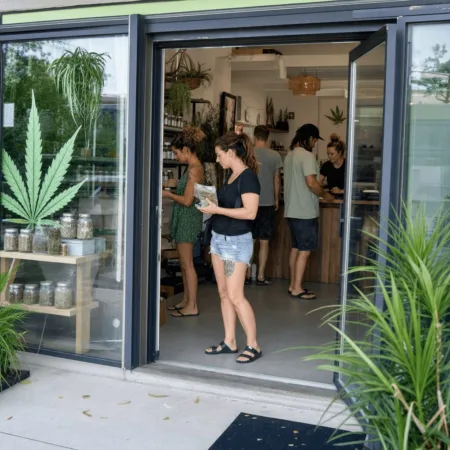
Illinois made headlines with its booming legal cannabis sales since 2020, generating billions for the state. However, not all is smooth. Recent news from the News-Gazette reported that the growing number of legal dispensaries has not stopped a stubbornly persistent illegal market. Many new licensed shops, such as Sunnyside and Revolution Cannabis, followed all regulatory hoops yet face unfair competition from less-regulated sellers. Headlines across the country have shown that major seizures—like a shocking marijuana traffic stop seizure—reflect how widespread the unregulated market still is. Statewide audits confirm a significant proportion of cannabis transactions, up to 40% in some areas, still come from illegal sources. Customers cite high taxes (sometimes 25-30% in Chicago) as a major reason for shopping off the books. Meanwhile, law enforcement’s uneven crackdown leaves some neighborhoods flooded with unlicensed shops, further blurring the lines for everyday buyers and fueling legal and illegal cannabis competition.
Expert Insights: Understanding the Legal vs. Illegal Cannabis Tug-of-War
This competition isn’t just about selling weed, it’s a battle of economics, community trust, and evolving laws. Legal store owners want fair play but also recognize that high taxes and costs push customers to the illicit market. As Dr. Amanda Reiman, policy lead at New Frontier Data, explains: “The persistence of illegal markets is directly tied to the burden put on consumers, if you make legal weed too expensive, they vote with their dollars elsewhere.” Youth perceptions and concerns, highlighted in studies like those examining risks for parents and teens regarding youth and cannabis use, add another layer to the policy debate. Social equity goals remain at the heart of Illinois’ legalization, but many minority entrepreneurs still face steep barriers. According to industry experts, addressing taxes and regulatory simplicity is crucial for legal stores to thrive. At the same time, educating consumers about safety, product quality, and the community reinvestment from legal sales will help shift the scales. As industry analysts observe, the ongoing legal and illegal cannabis competition will likely persist until economic and regulatory gaps narrow further.
Looking Ahead: Opportunity in Legal and Illegal Cannabis Competition
Despite challenges, the cannabis industry’s future looks remarkably bright. Policymakers are increasingly aware that a thriving, safe, and equitable legal market requires competitive pricing, sensible regulations, and broad access. State agencies have already begun revising tax structures and simplifying licensing in response to industry feedback. In the coming years, continued growth and normalization are predicted by market analysts. Ultimately, the path to an inclusive cannabis future lies in addressing the reasons why illicit trade persists—making the legal path not just safer, but also more affordable and attractive. As legal and illegal cannabis competition pushes the industry to evolve, advocates remain hopeful for a more balanced, fair, and accessible market benefiting everyone.
Originally reported by: news-gazette.com

4 Comments
Pingback: Shocking Truth Behind Ian Huntley Prison Death Revealed
Pingback: Minnesota marijuana legalization: What’s changing now?
Pingback: Baton Rouge drug seizure: Shocking arrest uncovers stash
Pingback: Perrysburg marijuana moratorium: What’s next for the city?