






Cannabis Risk Youth: What Every Parent Needs to Know
Right now, conversations around cannabis risk youth are popping up in homes, schools, and legislative sessions nationwide. Cannabis legalization is on the rise, and the dialogue is shifting from prohibition to harm-reduction and honest education. With evolving policies and increased cultural openness, it’s clear parents, educators, and youth all need the latest insights. This article lays out why cannabis risk youth should be top of mind, explores fresh developments, and offers a balanced perspective for families and advocates alike.
Background & Context: The Regulatory and Social Landscape Shaping Cannabis Risk Youth
The cannabis landscape in North America has transformed faster than you can say “endocannabinoid system.” As of today, numerous states in the U.S., and Canada as a whole, have legalized recreational cannabis for adults, leading to an undeniable ripple effect on youth access, perceptions, and behaviors. Strict age-restriction laws exist, according to the National Conference of State Legislatures, but enforcement varies. Socially, cannabis has lost much of its stigma, thanks in part to advocacy efforts, pop culture influences, and emerging data highlighting both risks and therapeutic benefits. In several regions, changing economic nuances are coming into play as tax revenues and local budgets shift, highlighted most recently by the Lapeer marijuana excise tax windfall signaling evolving community priorities. Meanwhile, school districts and healthcare providers increasingly prioritize harm-reduction messaging over a zero-tolerance approach. The result: communities, alongside lawmakers, are learning to balance youth protection with pragmatic weed wisdom.
Key Developments & Issues: What’s Really Happening with Cannabis Risk Youth
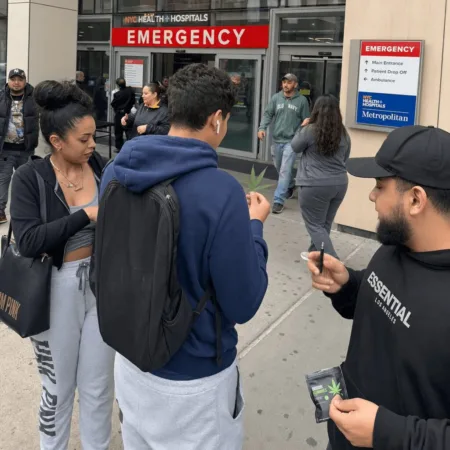
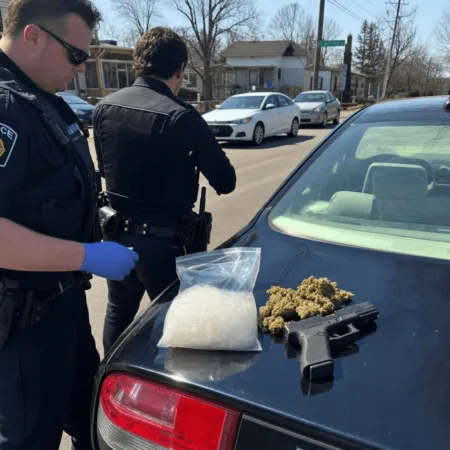
Recent reports, including a local news feature by the Lewiston Tribune, highlight growing concerns among parents, school officials, and health professionals about how easy it is for teens to encounter cannabis products in their daily lives. Since the 2022, 2023 school year, Idaho and neighboring states have seen upticks in cannabis-related disciplinary incidents. Several incidents in Lewis-Clark Valley schools involved students bringing edibles or vape pens into classrooms, prompting educational seminars and local law enforcement engagement, a trend reminiscent of similar high-profile cannabis seizures such as those spotlighted in a recent traffic stop marijuana seizure prompting nationwide debate on enforcement and reform.
According to SAMHSA survey data, the average age for first cannabis use in the U.S. hovers around 16. Illicit product sources, out-of-state dispensary runs, and unregulated delta-8 variants complicate prevention. Still, experts agree legal stores are not the main culprit: it’s often poorly informed peers or opportunistic adults bypassing regulations. Current developments point to more families now wanting fact-based cannabis risk youth education, not scare tactics or outdated propaganda.
Expert Analysis & Insights: Untangling Perceptions with Real-World Data
Let’s face it, the vibe around cannabis risk youth is complex. Yes, adolescence is a critical brain development stage, and frequent cannabis use at this age can carry risks as confirmed by JAMA Psychiatry. However, conflating all cannabis use with irreversible damage isn’t just an oversimplification, it works against credible harm reduction. Dr. Staci Gruber, director at Harvard’s Marijuana Investigations for Neuroscientific Discovery, notes, “We need nuanced, real dialogue to guide youth through fact and fiction. Zero-tolerance policies historically failed, what works is honest education and open discussion.” (Harvard University)
Industry trends mirror this. Forward-thinking brands and education initiatives recognize that helping youth understand cannabis risk youth is about context, not condemnation. Research demonstrates that introducing clear standards and regulation, as seen with changes like the Maryland Delta-8, Delta-10 THC law, can influence the safety and accessibility of cannabis products, pointing to the importance of sound public health policy. States with regulated adult-use markets and effective education have not seen dramatic youth usage increases, as outlined by the Centers for Disease Control and Prevention (CDC). The real challenge remains unregulated sources, potent black-market edibles, and lack of honest conversations at home.
Future Outlook & Conclusion: Navigating Cannabis Risk Youth with Knowledge—and a Little Chill
The future of cannabis risk youth education looks bright. Parents, schools, and the cannabis industry are learning to collaborate for maximum impact. Enhanced track-and-trace tech, social equity initiatives, and better public education campaigns are closing loopholes and exposing youth to research-backed facts rather than hype. As academic reviews from the NIH suggest, honest conversation—not scare tactics—leads to healthier youth outcomes. Legal reform will continue, and with good science and advocacy, we’ll see social acceptance and sensible guardrails rise together.
So, whether you’re a parent, teacher, advocate, or curious teen, remember: cannabis risk youth is about balance, context, and keeping the conversation rolling. The journey ahead calls for open minds, realistic education, and a dash of industry wisdom. Stay tuned—the story is just getting started.
Originally reported by: dnews.com

1 Comment
Pingback: Manila marijuana seizure: Massive ₱640M bust shocks city