





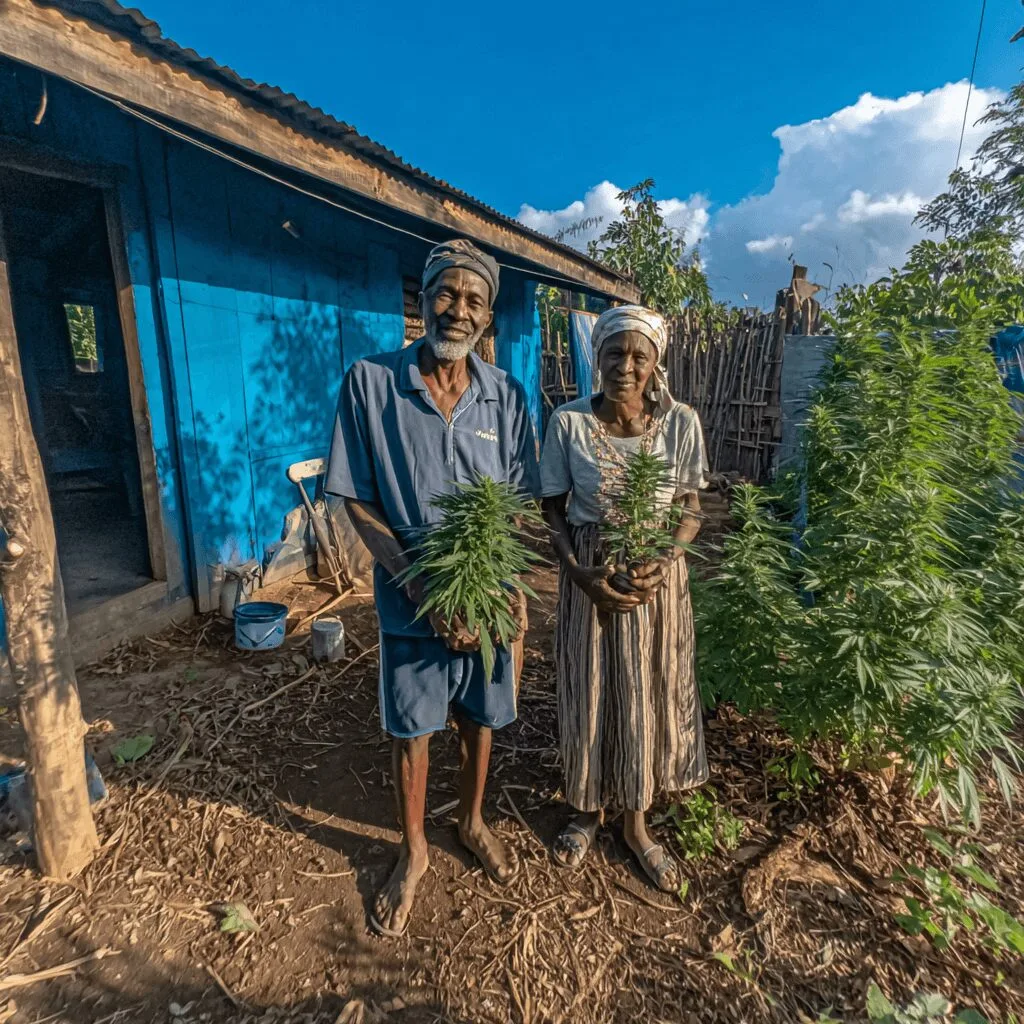
Uncover the Powerful Legacy Kanchibiya Story Now
Right now, Africa’s cannabis movement is lighting up with new stories—and none hit with the heart and heritage of the legacy Kanchibiya story. From grassroots activism to global intrigue, this narrative brings the cannabis conversation closer to home, blending generational wisdom with a progressive future. As cannabis legislation and social attitudes shift across Zambia and beyond, understanding the real legacy behind family tales like Kanchibiya’s is more crucial than ever. This article takes you through deep context, the big developments, authentic analysis, and a realistic look at what’s next.
The Regulatory and Social Roots of the Legacy Kanchibiya Story
Cannabis in Zambia isn’t just a hot debate, it’s a legacy issue rooted in culture, economics, and law. The legacy Kanchibiya story sits at the crossroads of historical traditions and modern reforms. For decades, government restrictions under the Narcotic Drugs and Psychotropic Substances Act curbed access, yet local communities kept age-old uses alive. Today’s push, the 2023 bill to liberalize industrial hemp and medical cannabis, shows a new willingness from regulators, responding to regional market growth, economic need, and international examples like South Africa’s judicial advances as chronicled by Mail & Guardian. Social perception is evolving, as traditional healers, elders, and modern entrepreneurs drive a nuanced debate: maintaining respect for the land and empowering communities without repeating mistakes of exclusion (as highlighted in Brookings research on Africa’s cannabis sector). Much like the regulatory confusion seen in the US, such as in Florida’s hemp THC controversy affecting Cape Coral shops, the legacy Kanchibiya story shines a light on both struggles and hopes linked to policy, public health, and economic transformation.
Key Developments and Issues: What Really Happened in the Legacy Kanchibiya Story
Digging into the real events, the legacy Kanchibiya story starts as a personal pledge, one man’s covenant to honor his late parents by investing in home, land, and the promises of cannabis. Emmanuel Mwamba’s public reflections, first published on his Facebook feed, capture decades of family stewardship and rising community leadership (original post). The story outlines the Kanchibiya community returning to its roots, nurturing small-scale cultivation, and overcoming years of underinvestment and legal ambiguity. Their journey isn’t just sentimental, by 2024, after years of advocacy and perseverance, local authorities finally recognized and supported private land reclamation, sustainable farming, and legitimate use of cannabis plants. This regulatory transformation echoes developments covered in recent updates about marijuana law changes in places like Ohio. Industry-watchers including Cannabis Law Report have noted Zambia’s rapidly changing rural cannabis landscape, highlighting how families like those in Kanchibiya are shaping on-the-ground realities. Challenges remain: some villagers still face regulatory uncertainty, law enforcement inconsistencies, and tough stigma from conservative neighbors and policymakers, meaning the story continues to unfold.
Industry Insights and Thoughtful Commentary: Deeper Meaning from the Legacy Kanchibiya Story
The legacy Kanchibiya story isn’t just about one family’s reclaimed home, it’s a microcosm of Africa’s emerging cannabis future. Experts see this tale as proof that grassroots initiatives, when nurtured by policy reform, can drive sustainable development. As Leafly reports, community-led cannabis ventures offer untapped value, building cross-generational knowledge and authentic connections to land. Dr. Arne Rubenstein, in an interview with Forbes, remarked, “Family legacies like Kanchibiya’s highlight how cannabis can unify, not divide, especially when transparency and tradition steer industry growth.” This perspective is echoed by Zambian advocacy groups who remind us that regulation should empower, never erase, those carrying the culture forward. These insights underscore a huge trend: real progress emerges not just from government greenlights, but from recognizing and uplifting local leaders, intergenerational wisdom, and a commitment to equity. The broader impact of such transformations—much like the changing portrayal of cannabis following real-life incidents such as debates sparked by the Rome marijuana packaging arrest—shows that the legacy Kanchibiya story stands as living proof of this shifting paradigm.
Looking Ahead: Legacy Kanchibiya Story and a Vision for Cannabis in Zambia
The legacy Kanchibiya story is far from over. As Zambia and broader African markets move toward clear, inclusive cannabis policy, stories like this offer hope—and a blueprint. Regulatory frameworks are evolving, with advice from international observers and successful models across the continent (see Benzinga’s outlook on African legalization). The Kanchibiya experience shows that honoring the land, supporting families, and fostering sustainable cannabis can build resilience and prosperity. Community by community, legacy Kanchibiya story is sparking a broader recognition of cannabis not just as a crop—but as a symbol of renewal, empowerment, and forward-looking change for Zambia. With each new season and policy shift, the story grows ever greener.
Originally reported by: facebook.com


1 Comment
Pingback: legacy Kanchibiya family history: Discover Untold Generations