legacy Kanchibiya family history: Discover Untold Generations
The cannabis conversation is evolving across Africa, and the legacy Kanchibiya family history takes center stage. Why now? As communities rediscover their roots, stories like this shine a light on both the historical significance and future direction of cannabis in rural Zambia. Right now, traditional culture, family bonds, and changing regulations intersect—making this legacy Kanchibiya family history more relevant than ever. This article uncovers the generations behind the headlines, shows how policy shapes lives, and explains why honoring our elders is vital in a fast-shifting cannabis landscape.
Background: Tradition, Policy, and Rural Roots in Legacy Kanchibiya Family History
Kanchibiya, a district rooted deep in Zambian heritage, embodies the real-life backdrop to the legacy Kanchibiya family history. For decades, cannabis was both a native crop and a social flashpoint here. A blend of colonial-era prohibitions and lingering myths long complicated its public image, according to historical analyses from sources like Brookings. In Kanchibiya, elders kept traditional practices alive while walking a tightrope between strict national laws and old communal values (see Zambian Government regulations). While Zambia’s official stance on cannabis remained restrictive for decades, 2021 saw lawmakers approve limited medical cultivation—signaling a shift, as confirmed by BBC News. Still, enforcement in rural areas fluctuates, with local leaders advocating for respect, safe use, and honest discussion. If you want to experience the heartbeat and emotion behind this evolving story, discover the heartfelt power of the Legacy Kanchibiya story, a window into how history is lived and retold across generations.
Key Developments: The Faces, Stories, and Turning Points in Legacy Kanchibiya Family History
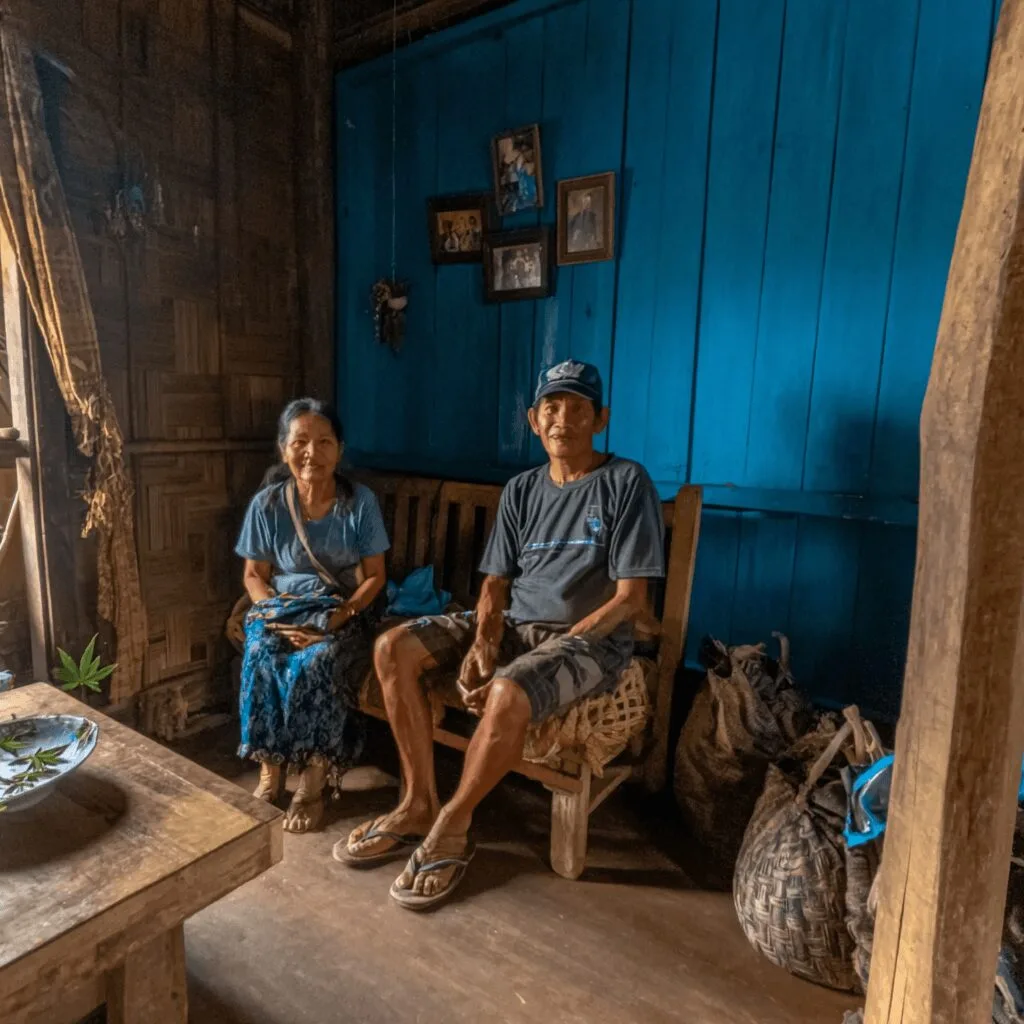
The heartbeat of the legacy Kanchibiya family history isn’t just smoke and legend—it’s flesh and blood. This story centers on the home of Emmanuel Mwamba, chronicled in a widely-viewed post celebrating his parents’ legacy in Kanchibiya. Emmanuel’s late father and steadfast mother built their modest home as a symbol not just of family, but of a community’s resilience. Inside, faded yet treasured family portraits hang as silent witnesses to decades of change and survival. While cannabis’s discreet presence in the household echoes the region’s subtle traditions, the focus remains squarely on intergenerational bonds and the choices these elders made. Since the Zambian government’s 2021 medical cannabis reforms, many such families have reconsidered their relationship to the plant—balancing caution, respect for the law, and practical rural realities. For further context on how legal changes affect local communities and businesses, you can read about a similar debate that played out when a marijuana-related arrest in Rome sparked discussion on cannabis reform. This narrative emphasizes how legacy Kanchibiya family history isn’t about glamorizing the crop, but cherishing the wisdom, sacrifices, and daily rituals that endure through shifting legal landscapes and social perceptions.
Expert Analysis: Cannabis in Kanchibiya, A New Chapter for Legacy, Law, and Society
Let’s get real: The legacy Kanchibiya family history is more than a cozy fireside tale, it’s a microcosm of Africa’s cannabis awakening. Globally respected reports, such as those from Leafly and Marijuana Moment, highlight how grassroots stories drive legal reforms and social acceptance. In Zambia, limited medical cannabis legalization marks a cautious but crucial step forward (see The Herald). Experts argue this blend of old-school tradition and modern lawmaking can build bridges, not walls, between generations. As cannabis educator Dr. Nandi Chileshe aptly puts it: “When families honor their roots while adapting to new realities, cannabis becomes a bridge, linking wisdom of elders to hope for youth.” (quote sourced from Mail & Guardian). This dynamic is reflected in recent reforms elsewhere, such as evolving marijuana laws in Ohio impacting families and communities—find out what every Ohioan needs to know about these changes. For locals, being open about historical usage, and respectful in how it’s woven into present-day lives, builds greater understanding. The legacy Kanchibiya family history thus embodies how cultural memory, resilience, and pragmatic cannabis reform can cultivate a stronger, healthier community.
Looking Ahead: The Future of Cannabis and Family in Legacy Kanchibiya Family History
Legacy is more than inheritance—it’s the gift of wisdom, courage, and care passed from one generation to the next. In the context of cannabis and the legacy Kanchibiya family history, the ongoing evolution of Zambian law and attitudes reflects wider African trends: Diversity, acceptance, and a groundswell of local agency. As Forbes reports, the African cannabis market’s potential is massive, but its real value lies in stories like Kanchibiya’s—where the plant is part of life, not a headline. Let’s keep honoring family histories, safe traditions, and meaningful progress. With compassion, dialogue, and smart policy, the future for the legacy Kanchibiya family history—and for all rural cannabis stories—looks bright, inclusive, and rooted in respect.
Originally reported by: facebook.com