






Lafayette homicide investigation: Shocking new details emerge
The Lafayette homicide investigation is creating major buzz in the California cannabis community and beyond. With the state still wrestling with criminal justice reforms and shifting cannabis laws, every high-profile case gets folks talking. This one’s got it all—local shock, unexpected findings, and a front-row seat to how regulated and legacy markets intersect. Recent details show cannabis evidence turning up alongside violent crime, underscoring just how tightly entwined our industry is with broader social issues. For advocates and critics alike, the Lafayette homicide investigation is more than just another headline: it’s a snapshot of where we’re at and where we’re headed.
Cannabis, Crime, and Community: Background & Context
Decades of prohibition shaped the public’s perspective on cannabis in places like Lafayette and beyond. Even with California’s legalization framework, social stigma and patchwork local laws still complicate things for consumers and businesses. According to a Pew Research Center survey, over two-thirds of Americans now support legal cannabis, but the legal reality on the ground can change block by block. The impact of local laws—much like what has been seen in other states exploring legalization and community impact—can reflect larger trends in policy and perception. When homicide cases involve evidence from the gray area where law and regulation collide, like the Lafayette homicide investigation, law enforcement, local officials, and the industry enter a complex dance. Cannabis discovered at a crime scene may sound old-school sensational, but it highlights lingering tensions within evolving markets. California’s own Cannabis Control Bureau regularly underscores the importance of robust compliance, even as illicit trade and enforcement remain hot topics. All these factors set the scene for why the Lafayette homicide investigation captured so much attention.
Breaking Down the Lafayette Homicide Investigation: Key Facts & Recent Events
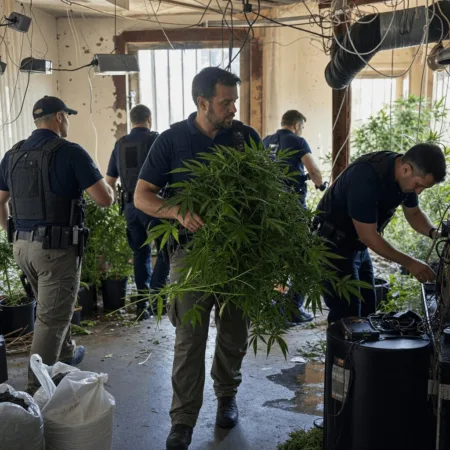
Let’s get into it: According to a recent SFGate report, local law enforcement launched the Lafayette homicide investigation after discovering a victim inside a modest suburban home. The intersection of cannabis and criminal investigations is not unique to California, as seen in places like recent high-profile police responses in other states. Sources indicate the crime occurred in the early morning hours and prompted a rapid response from Contra Costa County Sheriff’s Office. What set this apart, and drew attention from the cannabis world, was the prompt discovery of bagged cannabis as part of material evidence. Police officers, captured mid-investigation, reportedly collected these items at the scene while yellow police tape cordoned off the yard. While law enforcement hasn’t confirmed direct ties between cannabis and criminal motive, the inclusion as evidence has naturally put the Lafayette homicide investigation in the crosshairs for public debate. Bystanders and neighbors expressed shock, and the ongoing dialogue reflects California’s broader legal and social dynamics. As of the last update, no suspects had been confirmed, and authorities were urging potential witnesses to come forward with details. Media outlets and the community alike are watching closely as this case develops, representing how cannabis and mainstream news intersect in 2024.
Real Talk: Expert Analysis & Cannabis Community Insights on the Lafayette Homicide Investigation
Now, here’s where seasoned cannabis advocates like myself lean in: separating fear-mongering from fact. Leafly’s crime and legalization report notes that legal cannabis markets correlate with decreased violent crime rates overall—not the opposite. While Lafayette’s situation is unique, evolving federal regulation—as explored in discussions about changes to federal marijuana scheduling—can hold broader implications for local policies and enforcement. In Lafayette, the inclusion of cannabis evidence might tempt some to resurrect reefer madness paranoia. But experts urge caution. “It’s critical not to conflate the presence of cannabis with violent behavior. Legal markets are safer for everyone, consumers, neighbors, and law enforcement,”
says Amanda Reiman, VP of Public Policy at New Frontier Data, in a recent policy update. So, while the Lafayette homicide investigation grabs headlines partly because cannabis was found, broader data shows our industry isn’t fueling a crime wave. Instead, these high-profile events should prompt smarter regulations and community engagement, not knee-jerk crackdowns.
Lafayette Homicide Investigation: Future Outlook & Industry Growth
Where does this leave us? The Lafayette homicide investigation reminds us that growth in the regulated cannabis market brings scrutiny—and opportunities for real reform. While high-stress incidents can spotlight gaps in enforcement or social supports, they also drive positive change. In California and nationally, more leaders are pushing for evidence-based regulations, social equity, and erasing outdated stigmas. As reputable sources like the National Conference of State Legislatures note, the pace of legal acceptance is only accelerating. For Lafayette and communities navigating similar challenges, the best way forward blends safety and social progress. If we keep learning and adapting, the future of the cannabis industry looks brighter than ever—more transparent, more inclusive, and more in tune with what society actually needs.
Originally reported by: sfgate.com


1 Comment
Pingback: Army enlistment marijuana policy: Major changes revealed