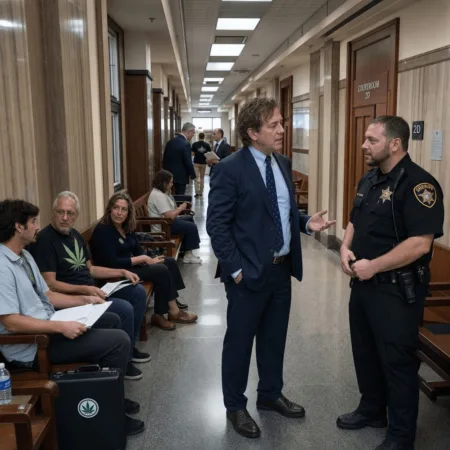
Army enlistment marijuana policy: Major changes revealed
There’s no way around it—the Army enlistment marijuana policy is at the center of some serious shakeups right now. With more states embracing legalization and the military scrambling to keep its ranks filled, it’s the perfect time to ask: What’s really changing, and how does it affect both would-be recruits and the culture around weed? In this piece, we’ll break down exactly what the Army’s new stance means, what prompted these major shifts, and why every cannabis enthusiast—not just soldiers—should pay attention.
The Changing Landscape: Army Enlistment Marijuana Policy in Context
Let’s be blunt, America’s relationship with cannabis has changed faster than an edibles high sneaks up on you. According to NORML, more than half the states have now legalized cannabis in some form, either for medical or recreational use. This seismic shift means thousands of Americans have clean, legal access to weed, sometimes long before they consider serving their country. But the Department of Defense, including the U.S. Army, still operates under the strictures of federal prohibition. Historically, this meant that any Army enlistment marijuana policy was cut-and-dried: test positive or admit to prior use, and you were shown the door, no questions asked. But as the recruitment crunch got real, the Army, facing fewer eligible enlistees due to everything from obesity to past cannabis use, started to bend. The changes we’re seeing now are the military’s way of trying to catch up with the times while still holding onto that disciplined image. Experts at Brookings Institution note that disconnects like these aren’t just bureaucratic headaches, they reflect bigger societal shifts impacting everything from workplace policies to social stigma. This phenomenon mirrors local developments as seen when cannabis evidence arises in unexpected situations like criminal investigations, confirming how cannabis permeates numerous facets of American life beyond military policy.
Key Developments & What’s Actually Changing in Army Enlistment Marijuana Policy
So, what’s the real news on the Army enlistment marijuana policy front? According to a Task & Purpose report, the Army unveiled significant changes to its marijuana waiver process as of May 2024. In the past, testing positive for THC during the enlistment process or admitting to prior use often meant automatic disqualification. But now, recruits who fail the initial drug screening for marijuana may have the opportunity to obtain a waiver.
The details: Army officials confirmed that these waivers aren’t automatic pass cards, candidates must still meet other eligibility standards, and each waiver is reviewed by a chain of command. The move is designed to address the ongoing recruitment shortfalls, over 10,000 short of annual goals, according to Pentagon figures. Despite waivers, active-duty recruits must remain drug-free and can still face significant consequences if they test positive after enlistment. The service’s messaging emphasizes that the change does not mean the Army condones on-duty or ongoing marijuana use. Instead, officials frame the new Army enlistment marijuana policy as a way to “reflect evolving societal norms” and “allow the best talent to serve.”
It’s also worth mentioning that the Air Force and Navy previously rolled out similar programs, as cited in recent New York Times coverage. The Army is, in a sense, catching up to the broader branches’ pivot toward more flexible, nuanced approaches to cannabis history. In another example of evolving legislation, Massachusetts has faced debate and pushback while updating its own cannabis laws, highlighting how nuanced and regionally specific these shifts can be.
Expert Analysis & Insights: What This Means for Cannabis and Recruitment
When you look at the new Army enlistment marijuana policy through the eyes of someone steeped in cannabis advocacy, it’s hard not to see this as a milestone. While not full normalization, it’s definitely a nod to the real world, where weed use is mainstream. As Leafly’s cannabis policy reporter Ben Adlin recently put it: “The divide between civilian cannabis acceptance and military zero-tolerance is slowly narrowing. Policies like this show the armed forces are forced to compete for recruits among a generation that grew up with weed as part of their normal.”
This change is about both pragmatism and perception. On the pragmatic side, the Army needs talent, and automatic disqualification for marijuana use cuts out a huge chunk of otherwise qualified young adults. Socially, it signals a more humane and realistic view, acknowledging that cannabis, especially in legal states, isn’t some nefarious taboo. If the Army is finally willing to issue waivers for THC, you know society has moved. At a system level, this represents the military’s attempt to retain discipline and readiness without being stuck in the 1980s “Just Say No” mindset. For cannabis advocates, that’s not just policy tinkering, it’s a sign the walls are coming down, if slowly. Considering the wider implications, emerging science has also demonstrated breakthroughs in wellness, such as how psychedelic and cannabis cultural shifts can reshape perspectives on substance use and policy.
Future Outlook & Why This Matters for Cannabis Reform
Looking ahead, these incremental changes in the Army enlistment marijuana policy could have ripple effects far beyond the recruiting office. As more branches adopt and refine waiver processes, expect continued pressure on the federal government to reconcile the clash between military rules and national legalization trends. According to Marijuana Moment, major regulatory reviews are underway at the federal level that could further weaken the stigma around cannabis—potentially opening new doors in both public and private sectors.
The big takeaway? Cannabis use no longer defines someone’s fitness or patriotism. Acceptance is spreading, rules are being modernized, and the Army’s move is another step on the long road toward a more inclusive, forward-thinking approach to both service and substance use. As long as advocates keep pushing, there’s a reason for optimism in the cannabis space—and every shift in the Army enlistment marijuana policy proves mainstream change is possible.
Originally reported by: taskandpurpose.com