Kinston marijuana THC investigation: 34 Search Warrants Revealed
Right now, the Kinston marijuana THC investigation is front-page news across North Carolina. In an era where cannabis reform is booming nationally, this unfolding local story proves there’s still serious tension between evolving market trends and established law enforcement practices. The Kinston marijuana THC investigation is about more than just 34 search warrants—it’s about policy, public safety, and what the future could hold for legal cannabis access in the South. Here’s why this case matters, where it fits in the national landscape, and what you need to know as the facts keep rolling in.
Behind the Kinston marijuana THC investigation: Policy, Law & Market Realities
The backdrop of the Kinston marijuana THC investigation is North Carolina’s slow but steady cannabis policy shift. While neighboring states embrace either medical or full legalization, such as recent moves in Texas that are highlighted in policy updates following the Texas THC election, North Carolina still criminalizes most cannabis possession and sale. However, proponents have gained traction with medical marijuana legislation and specialty hemp-derived THC products such as Delta-8 continue toeing a legal gray area. According to NORML, state law retains aggressive criminal penalties, risking fines and criminal records even for small infractions. Social attitudes are shifting, with bipartisan support for legalization and robust market demand. Still, law enforcement often prioritizes traditional prosecution, sparking local controversy, just as seen in broad industry changes where UNLV experts discussed a new cannabis era in the recent THC hemp policy conversation, all of which are highlighted by the Kinston marijuana THC investigation.
Kinston marijuana THC investigation: Key Events and Issues Unpacked
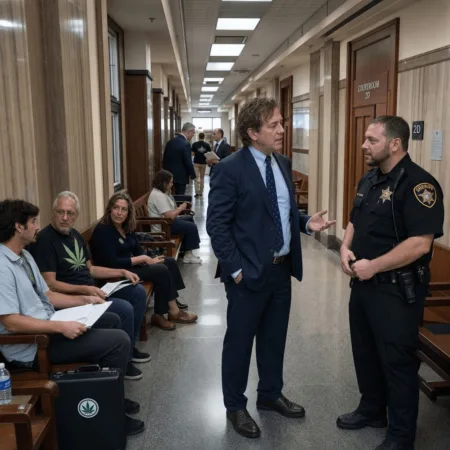
This Kinston marijuana THC investigation started with local police executing 34 coordinated search warrants across Kinston, a major push as initially reported by WCTI12 News. Law enforcement targeted residences and vehicles tied to suspected illegal distribution of high-THC marijuana and related products. Officers discovered evidence bags filled with green plant material testing positive for elevated THC, clearly marked with state evidence seals. THC-labeled containers, scales, and packaging materials added weight to allegations of distribution rather than personal use. With authorities withholding identities and exact addresses while investigations continue, court filings reviewed by Carolina Public Press clarify these warrants stemmed from community complaints, undercover operations, and observed suspicious activity. Kinston PD is now processing lab results and consulting with prosecutors about potential felony charges, all while local businesses and civil liberties groups worry about the chilling effect on the climate for those supporting legalization, similar to what recently unfolded in Massachusetts when voters rebuffed efforts to repeal legalization.
Expert Opinions: Interpreting the Kinston Marijuana THC Investigation
So what does this mean for people who care about smart cannabis reform and harm reduction? On one hand, the Kinston marijuana THC investigation is a throwback to enforcement-first tactics, which many believe run counter to current American views. According to Doug Berman, law professor and editor for Marijuana Law, Policy & Reform, “Enforcement-first approaches to marijuana only create more confusion, compliance goes down, risks go up, but social demand doesn’t stop.” This case highlights the blurred lines between illegal distribution, legal hemp-derived products, and the shifting status of medical THC in North Carolina. Industry insiders emphasize that such crackdowns frequently miss larger illicit operators, leaving small businesses and consumers in legal uncertainty. In comparison, in other communities, major enforcement actions have set off equally intense debate, such as the controversial marijuana seizure during a traffic stop in Crawford County. The Kinston marijuana THC investigation shows how outdated tools struggle with today’s rapidly evolving cannabis landscape as evidenced by analysis in recent discussions on cannabis industry changes and federal policy shifts, reinforcing urgent calls for regulatory clarity and safer, legally supported access.
Looking Ahead: Hope on the Horizon for Cannabis Policy
Despite the turbulence of the Kinston marijuana THC investigation, momentum for cannabis reform isn’t slowing down. Every headline like this spurs more policy debate, energizes grassroots advocacy, and fuels demand for smarter, more compassionate regulations. The South is catching up, with legislators, medical experts, and citizens all weighing in on decriminalization and safe access issues. As highlighted by NORML’s latest state bill tracker, new reform bills continue to hit the floor in Raleigh. The Kinston marijuana THC investigation is a potent reminder: cannabis culture and business are not going away, and the case for evidence-based legalization only gets stronger each election cycle. Stay informed, stay active, and watch this space—North Carolina’s green future might arrive sooner than you think.
Originally reported by: wcti12.com