


Texas THC election policy: Where Do Candidates Really Stand?
It’s election season in Texas, and the future of THC reform is suddenly a major debate. With the Texas THC election policy now front and center, voters, industry insiders, and everyday folks are watching closely. Why? Because this policy isn’t just about cannabis—it’s tied to health, business, and social change. The positions candidates take could shape the industry and affect everyone from medical patients to casual consumers. If you care about cannabis law, commerce, or culture in Texas, keep reading to unpack exactly what’s changing and who’s steering the ship.
Understanding the Texas THC Election Policy Landscape
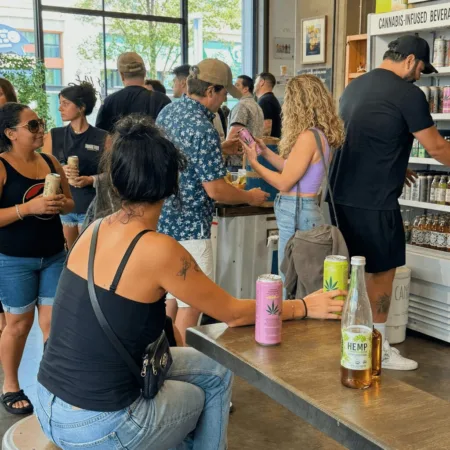
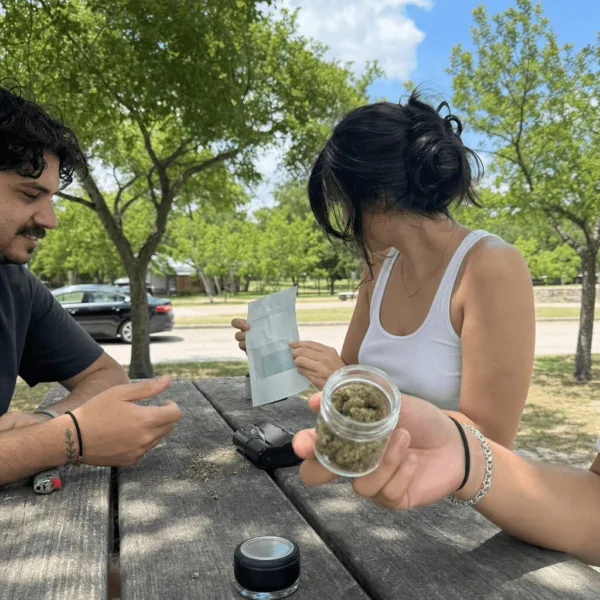
The Texas THC election policy debate didn’t just appear overnight, and in many ways mirrors national trends like the federal hemp ban delay that has sparked national debate on the future of cannabis policy. Texas has long maintained strict regulations on cannabis, with the Texas Tribune reporting that only limited, low-THC medical access is currently legal. Despite a booming hemp scene since 2019, full-spectrum legalization faces resistance due to entrenched political and cultural attitudes. The state’s medical cannabis program, expanded in 2021 but still restrictive, demonstrates a gradual shift rather than sweeping reform. Meanwhile, recent polls from organizations like Pew Research and Cato Institute consistently show majority support among Texans for broader cannabis access. As a result, Texas THC election policy is both a critical battleground and a bellwether for change across the South. Candidates’ stances connect directly to issues of patient rights, criminal justice reform, business investment, and rural economic opportunity.
Candidates on THC: What’s Actually Happening?
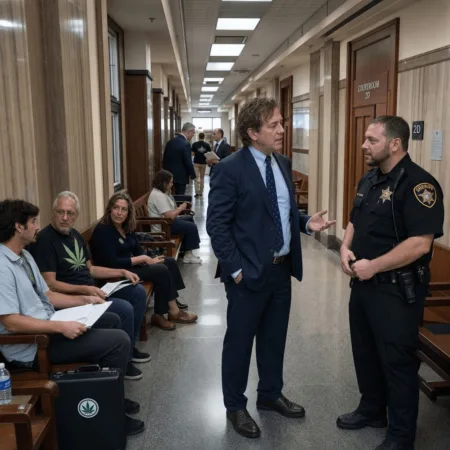
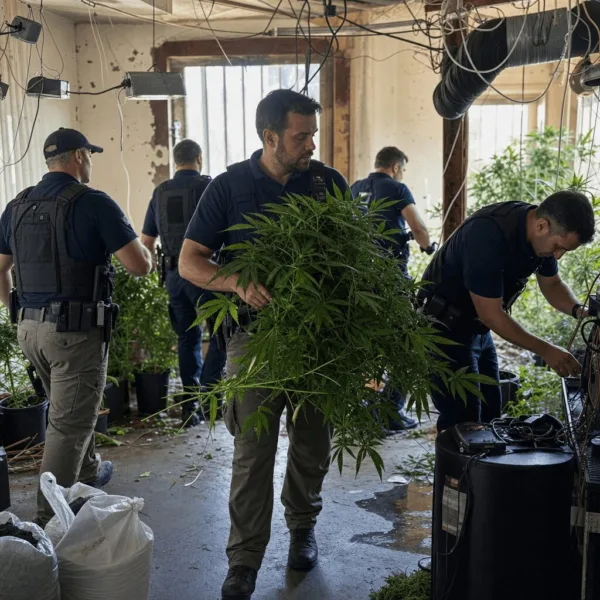
In the thick of the Texas election, THC policy is a live wire. Much like recent developments in Georgia, where a bill to redefine marijuana search probable cause has sparked major debate, the latest primary season in Texas has seen major party candidates airing sharp differences on cannabis. On one hand, Democratic hopefuls like Rep. Gina Hinojosa openly call for expanding the medical program and moving toward full legalization. On the conservative side, leading Republican figures remain wary, echoing public safety and ‘gateway’ concerns. The Texas Department of Public Safety has issued periodic updates on enforcement, attempting to clarify the gray areas left by House Bill 1325’s hemp legalization, as covered by Texas Monthly. Recent debates have spotlighted not just individual stances, but also the influence of lobbying groups, patient advocates, and business leaders. This year, local elections in Austin and San Antonio have tested more progressive decriminalization efforts, sometimes clashing with state prosecutors or law enforcement. The Texas THC election policy is now a central plank in campaign rallies, policy papers, and, yes, viral tweets, putting real pressure on candidates to clarify exactly where they stand, and what they’d do in office.
Expert Insights: Why Texas THC Election Policy Matters More Than Ever
So, what’s really at stake as Texas THC election policy goes mainstream? For cannabis veterans, these fights are both familiar and unique. As Marijuana Moment reports, Texas represents the largest state with a restrictive THC regime and untapped market upside. “The future of Texas depends on whether candidates are ready to listen to science, business, and the lived experience of Texans,” says Heather Fazio, director of Texas NORML. Regulatory uncertainty has left farmers, dispensary operators, and patients in limbo—even as neighboring states legalize and reap tax benefits. Neighboring states like Michigan, for example, are seeing how marijuana tax payouts are helping cities thrive and sparking questions about what comes next. With a patchwork of enforcement, advocates warn of both unintended inequalities and missed economic opportunities. Still, as one industry analyst notes in Benzinga, “The only thing stopping the Texas cannabis industry is politics. The market demand is there, and so are the patients.”
Looking Forward: The Future of Texas THC Election Policy
Whatever happens this election, Texas THC election policy is not going backward. Regulatory progress, though messy and incremental, is moving the state closer toward mainstream acceptance. The cannabis industry, for all its hurdles, has proven resilient and resourceful—adapting to ambiguity and winning converts at the grassroots and legislative levels. According to Leafly’s analysis, the shift in public opinion is now forcing even reluctant lawmakers to engage with the real-world impacts of THC reform. The conversation is expanding from ‘if’ to ‘how’, pushing Texas to consider the health, revenue, and justice benefits more openly. Ultimately, the stage is set for landmark changes. Whether your interest is industry, activism, or wellness, keeping an eye on Texas THC election policy means staying tuned to one of the most pivotal—and unpredictable—policy stories in the country. Bet on more twists and surprises, but rest assured: change is in the Texas wind.
Originally reported by: spectrumlocalnews.com