





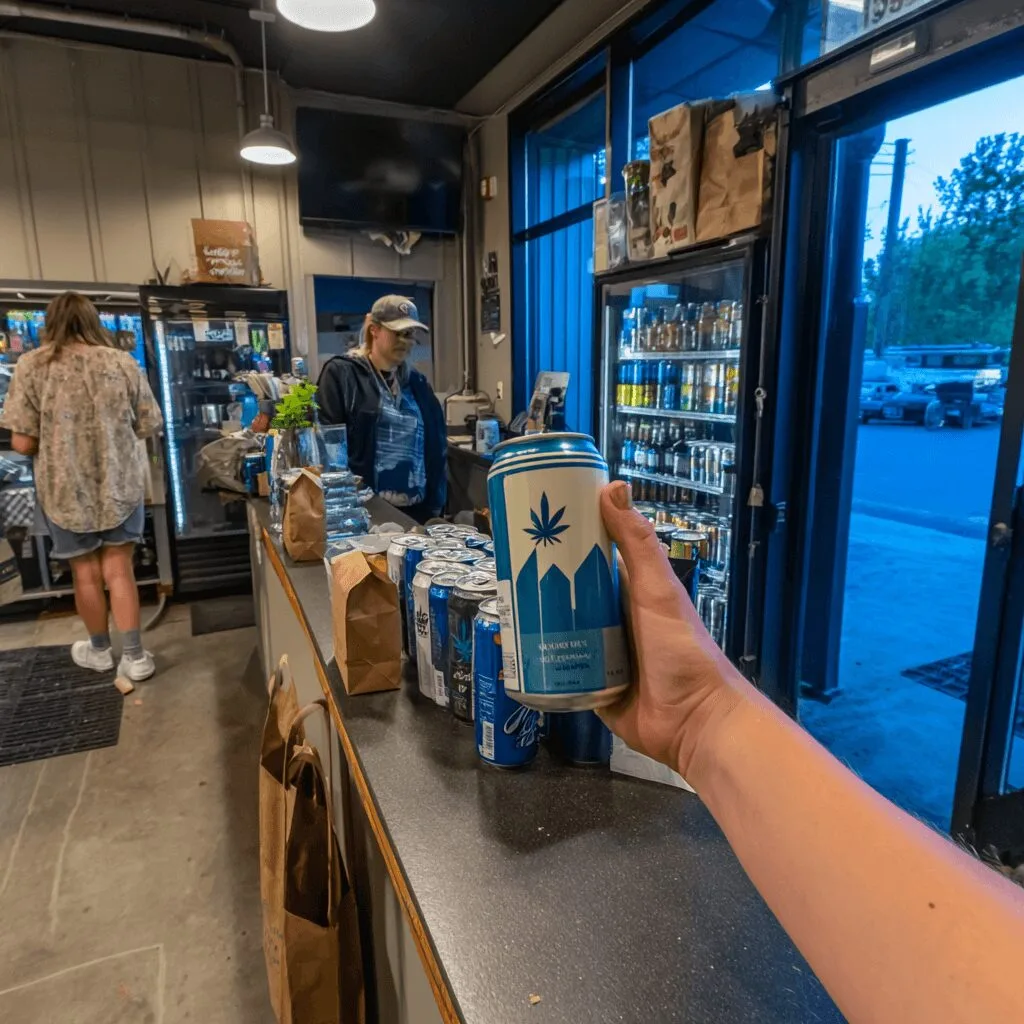
Kentucky THC drink laws: What You Need to Know Now
The Kentucky THC drink laws are in the spotlight as state lawmakers shift gears on cannabis-infused beverages, just as they gain major popularity across the state. Curious what’s changing, or how local convenience shops and consumers will be affected? You’ve landed in the right spot. Let’s break down Kentucky’s new THC drink regulations, highlight relevant news, and see what they mean for you or your business. Grab your favorite beverage—preferably legal—because this is a story everyone in the Bluegrass State should follow closely.
How Kentucky THC Drink Laws Came To Be: Social and Regulatory Roots
THC drinks are stirring up the conversation from Louisville to Lexington, mainly because Kentucky’s cannabis stance has always been complex. Historically, Kentucky held firm on marijuana prohibition, shifting only gradually as social and economic forces began to weigh on policymakers. Legal cannabis markets like Illinois and Missouri have shown lawmakers how profitable and manageable regulation can be. Hemp-derived cannabinoids, especially Delta-8 THC, began appearing in Kentucky stores after the 2018 Farm Bill, which federally legalized hemp as long as THC levels remain below 0.3% (source: U.S. Congress). As state officials observed the proliferation of CBD shops and corner stores selling so-called legal THC-infused drinks, the result was a patchwork of enforcement and growing confusion for both businesses and consumers. This environment was reminiscent of events like commercial seizures making headlines in other regions, as highlighted in discussions related to major marijuana seizures that impact the regulatory landscape. Industry groups and advocates pushed for clear guidelines to encourage compliance, ensure consumer safety, and allow local businesses to responsibly participate in this new market.
What’s Happening Now: Kentucky THC Drink Laws in Action
The real buzz kicked off with legislation coming into effect on January 1st, 2024, reshaping how Kentucky THC drink laws are enforced and interpreted. According to WDRB News, the new law now requires hemp-derived, THC-infused beverages to be sold and labeled according to strict guidelines: no more than 0.3% Delta-9 THC by dry weight, verified by third-party testing, with implemented age restrictions. Local brands like “Soda+” or “Delta8 Haze” must now closely monitor compliance amid these controls. Online sellers face additional scrutiny, with new oversight over interstate shipments. Lawmakers emphasized public health protection with tighter youth access boundaries. Despite some reluctance from legacy smoke shops, Kentucky’s regulatory update has united regulators and business owners with a common purpose, hoping to avoid the controversies and safety concerns that have arisen in other states, such as the debates sparked by accidents and legal disputes seen in cases like those discussed when cannabis regulation and safety collide. The state further announced more vigilant monitoring efforts, with random store inspections and enhanced tracking of online sales, as also reported by LEX18.
Expert Analysis: What Kentucky THC Drink Laws Mean for Cannabis Culture
From an industry standpoint, these changes reflect a typical situation where legal systems catch up to fast-moving commercial realities. With demand for infused beverages surging nationwide, the market is projected to exceed $1.4 billion globally by 2027 (source: Benzinga). While small Kentucky retailers and longstanding hemp shops may face added compliance burdens, greater regulatory clarity offers a pathway toward growth and reinforces consumer confidence. More structure means businesses must adapt, but with proper regulation, the entire market and public perception stand to benefit. This mirrors conversations following high-profile incidents that spark broader cannabis debates—like when a single event, such as the WakeMed shooting incident centered on THC gummies, provokes a wide-ranging reassessment of cannabis policy and safety. As Morgan Fox, political director of the National Organization for the Reform of Marijuana Laws (NORML), said: “Clear regulations protect consumers and legitimize businesses, while criminalization only drives the market underground.” (NORML). Robust Kentucky THC drink laws help destigmatize legal cannabis beverages—a crucial step for cultural and marketplace progress in a historically conservative state.
Looking Ahead: Kentucky THC Drink Laws Set the Tone for the Future
Despite some growing pains, the new Kentucky THC drink laws give the industry a foundation to build on. Consumers can enjoy more consistent, safer products while business owners finally get regulatory guardrails. National experts, like those at Marijuana Moment, predict eastern and southern states will soon follow Kentucky’s lead—slow, steady, and pragmatic, but always moving forward. The legal, economic, and cultural tides are turning. If Kentucky embraces innovation while ensuring public safety, the state could become a surprising cannabis success story in the coming years. As always, responsible advocacy and informed legislation remain key, but the future looks bright—and a little bit more chill—for Kentucky’s evolving THC beverage scene.
Originally reported by: wdrb.com


1 Comment
Pingback: Marijuana Legalization Changes: What to Expect Next