Council Bluffs fatal crash: Shocking Details Revealed
Let’s cut through the smoke—everyone’s talking about the Council Bluffs fatal crash. It’s driving conversations, not only about tragic roadway consequences but also about cannabis, evolving regulations, and societal responsibility. The news has people reconsidering how we talk about legalization, personal accountability, and what really matters in community safety. Buckle up, because this story—mixing legal heat, cultural shifts, and controversy—sits square at the intersection of our lives, our laws, and our love for that leafy green. Here’s what you need to know about the Council Bluffs fatal crash, legal trends, and the cannabis culture conversation right now.
Legal Landscape and Social Shifts: Council Bluffs, Cannabis, and Risk
Let’s paint a realistic picture: Iowa isn’t California when it comes to cannabis. Recreational weed? Still illegal statewide. Medical use? Only with tight restrictions, as the Iowa Department of Public Health outlines. But let’s be blunt, social attitudes are mellowing out. For every stiff regulation, there’s a new poll showing growing support for both medical and adult use (see stats from Pew Research). Now, throw the Council Bluffs fatal crash into the mix, and local leaders find themselves needing to update laws, address safety, and understand public perceptions. This isn’t just about criminal codes, it’s about how cannabis use fits into Midwestern life, how we hire and train drivers, and how reform laws balance risk and freedom. National trends show Iowa’s rules are tightening, with traffic safety measures around cannabis use especially under the microscope (NHTSA). These issues echo similar grassroots efforts elsewhere as advocates in other states, like those highlighted in recent legal challenges involving Ohio’s cannabis laws, push for reform. The Council Bluffs fatal crash has become an unexpected flashpoint in these ongoing debates.
What Went Down: Key Events of the Council Bluffs Fatal Crash
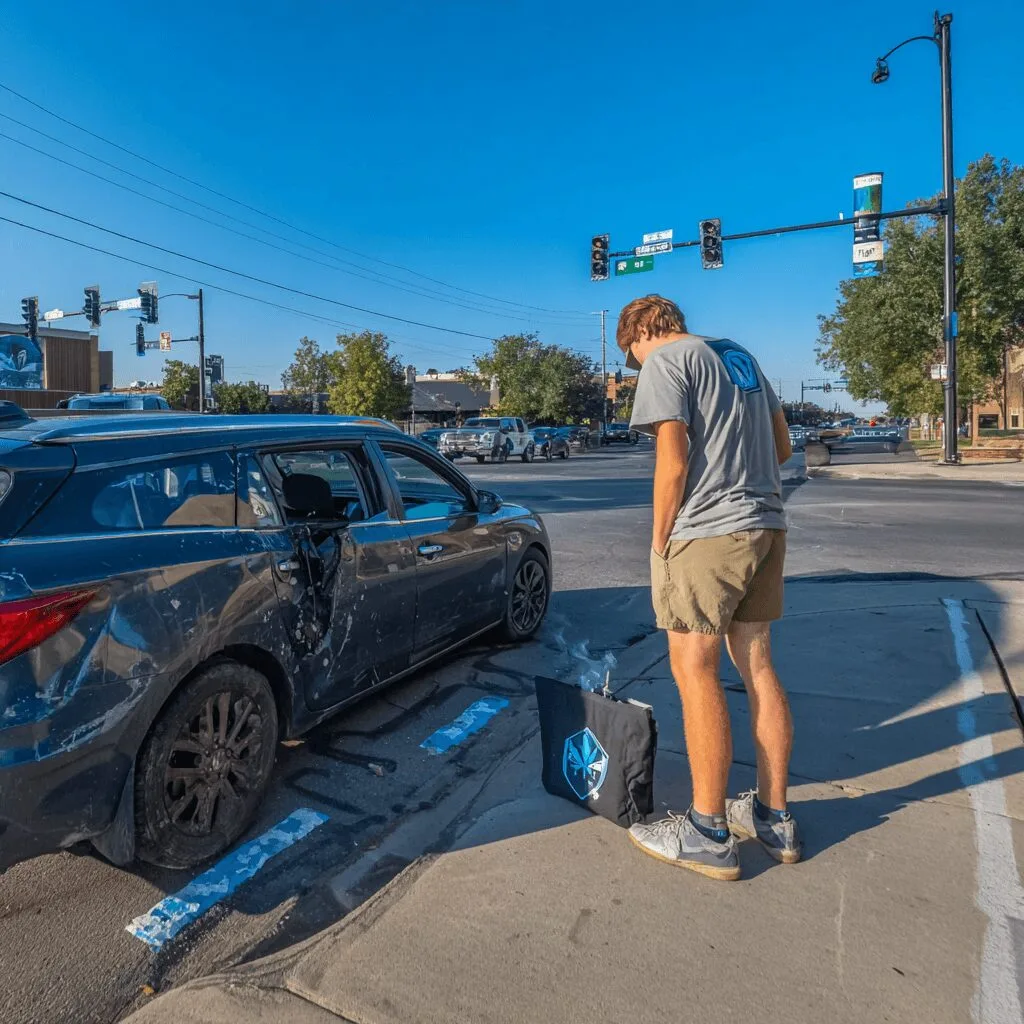
According to KETV News, the Council Bluffs fatal crash took place late afternoon near a busy intersection. Police say a local man, reportedly under the influence, collided with another vehicle, resulting in the tragic death of a woman from Omaha. First responders described the scene as chaotic but confirmed that cannabis evidence was recovered close to the site. Legal filings show the driver faces multiple charges, including vehicular homicide and impaired operation. Court documents emphasize officers detected a scent of cannabis as they assessed the scene. The event quickly drew coverage, reflecting how incidents involving cannabis are scrutinized, especially when there’s a fatality. Recent debates on marijuana reform and public safety, such as those discussed in current legal controversies facing Ohio, have parallels in the Council Bluffs case. This Council Bluffs fatal crash isn’t just another statistic, it’s reignited city-wide talk about enforcement, education, and evolving responsibility in the cannabis era. Local law enforcement, according to statements by Pottawattamie County officials, already started reviewing policies, and prosecutors are actively referencing state laws regarding impairment thresholds and traffic safety. The Council Bluffs fatal crash has become both a legal case and a cultural lightning rod.
Expert Takes: Cannabis, Perception, and Policy After a Tragedy
Let’s roll out the green carpet for expert opinion. Cannabis advocates agree, every tragedy deserves respect and careful discussion. According to NORML’s deputy director Paul Armentano, “It’s critical that we separate correlation from causation. Cannabis impairment must be proven, not assumed, especially when drivers’ rights and lives are at stake.” Industry observers note that serious crashes like the Council Bluffs fatal crash tend to get disproportionate media attention when cannabis is observed, even compared to alcohol or distracted driving. The Leafly editorial team has previously emphasized how testing methods for impairment are still imprecise, warning against knee-jerk regulations that could entrap medical patients or recreational users (see their detailed reports). For further insights into the way law enforcement campus incidents can amplify debate, see similar repercussions outlined following college busts in this analysis of campus drug arrests in the South. Experts urge better roadside testing, stronger public education, and fair application of law. The Council Bluffs fatal crash, heartbreaking as it is, should spark more nuanced policies, not fear-driven crackdowns. As a long-time bud advocate, I see this incident as a call for smarter, science-driven legislation, not simplistic blame games. No blunt should overshadow the bigger conversation: how to balance freedom, responsibility, and community safety.
Looking Forward: Progress, Policy, and the Future of Cannabis in Iowa
Here’s the haze clearing: the Council Bluffs fatal crash has definitely shaken up both local officials and everyday folks. But history shows, out of tragedy, communities often get stronger, wiser, and more compassionate. Iowa’s cannabis debate isn’t going up in smoke—it’s evolving. More residents, according to The Des Moines Register, support reform than ever. Smart legalization, realistic impairment testing, and honest safety education will move us forward. If the Council Bluffs fatal crash teaches anything, it’s that reefer madness doesn’t solve real problems—balanced law, science, and compassion do. The next chapter for Council Bluffs and the broader cannabis movement is already being written, and it’s not about panic—it’s about progress. Here’s to responsible reform, healthier communities, and a future that embraces both safety and freedom.
Originally reported by: ketv.com