Ole Miss freshman arrest: What really happened in Alabama?
The Ole Miss freshman arrest in Alabama just days before the Sugar Bowl 2026 has quickly become one of the most-talked-about campus sagas. Why does this headline matter so much right now? It’s not just another campus scandal—it thrusts youth, cannabis laws, and athletic reputation into the national spotlight at a time when attitudes toward cannabis are evolving and universities are scrambling to keep up. Fans, critics, and advocates all have their eyes glued on this Alabama cliffhanger, as it perfectly captures the messiness of overlapping regulations, shifting social norms, and the stark realities faced by student athletes. In this article, we’ll break down key events, dig into the legal backdrop, and explore broader industry insights sparked by the Ole Miss freshman arrest.
Understanding the Legal and Social Backdrop of the Ole Miss Freshman Arrest
To see why the Ole Miss freshman arrest is more than just a blip on the SEC news radar, context is key. Let’s keep it real: while over half the country has moved to normalize adult-use cannabis in some capacity (Pew Research Center), Southern states like Alabama remain holdouts. Alabama’s legislature passed its own medical cannabis law in 2021, but recreational possession can still land you in deeper water than an Oxford tailgate. Looking at the broader cannabis industry outlook helps put these ongoing legal risks into perspective, especially for young adults pressurized by shifting norms, regulation, and enforcement—as highlighted in recent in-depth industry coverage. Add to that the pressure-cooker world of NCAA athletics, where campus drug policies, team rules, and public expectations collide, and any slip-up, even minor, gets amplified. According to the NCAA, student athletes face not only university discipline, but potential impacts on scholarships and eligibility. For many, these rules lag far behind the cultural tide, leaving freshmen at the flashpoint of America’s evolving cannabis conversation. Media coverage from respected outlets like ESPN and NBC News makes it clear, campus cannabis arrests still pack heavy consequences, despite widespread public support for reform.
The Ole Miss Freshman Arrest: Key Developments, Facts, and Fallout
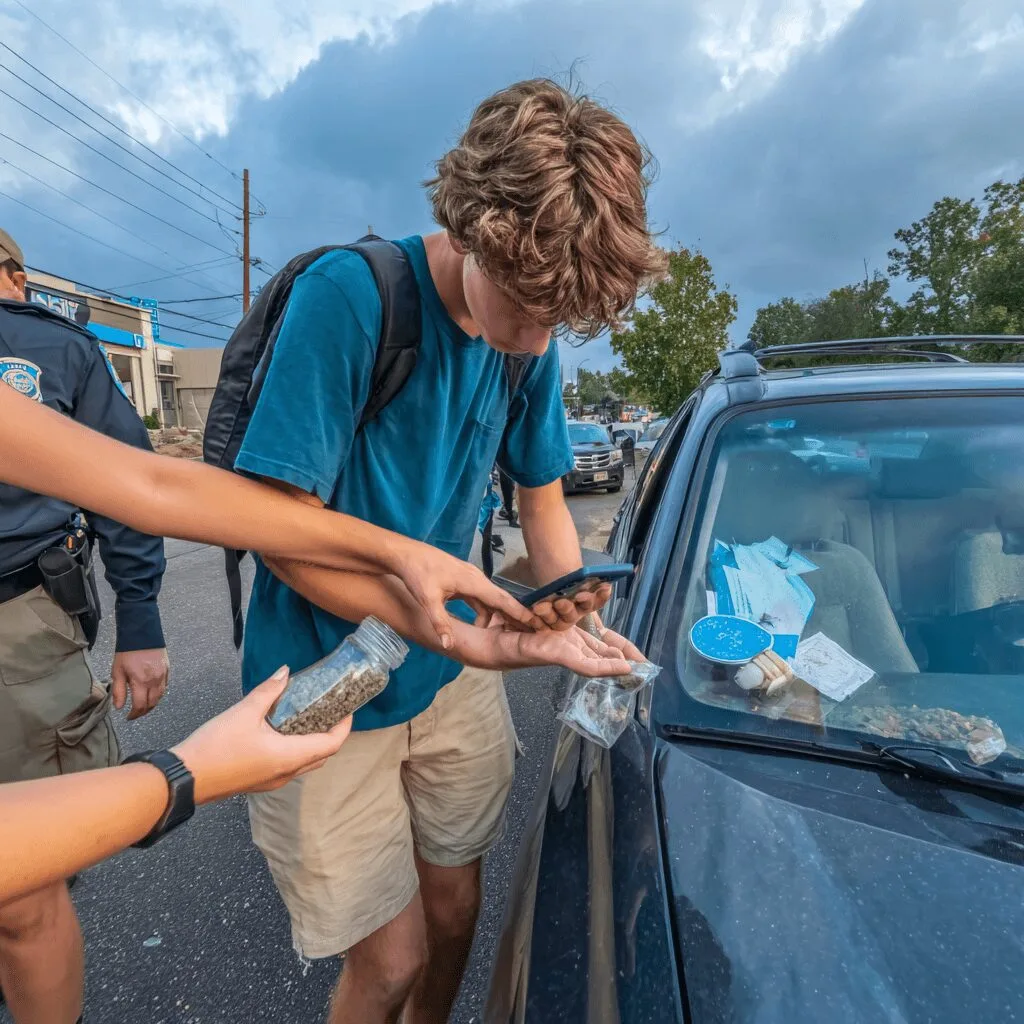
Let’s break down what actually went down with the Ole Miss freshman arrest in Alabama according to AL.com, who first broke the details. Just days before the highly anticipated Sugar Bowl 2026, a first-year student and athlete at the University of Mississippi found himself in the spotlight after a routine police stop outside a small-town Alabama gas station. Reports from the Alabama Highway Patrol indicate that police approached the vehicle at dusk for an alleged traffic violation. The encounter escalated when officers discovered a “small quantity” of cannabis and rolling papers in plain sight on the car’s hood. The student was taken into custody on December 26, 2025, facing misdemeanor possession charges (Alabama Attorney General’s Office affirms possession can trigger legal action). This news set off a storm in campus circles, especially with the football team’s Sugar Bowl aspirations hanging in the balance. Recent political debates over marijuana rescheduling—such as ongoing discussions about whether Congress will accelerate or stall change—underscore the tension between campus enforcement and changing national norms (learn more here). News of the Ole Miss freshman arrest was immediately reported to university officials for internal review, which includes both athletic department and student affairs interventions, as per standard NCAA regulations. The arrest has since sparked cross-state debates on cannabis, collegiate discipline, and youth behavior, drawing in voices from fans, coaches, and, of course, campus critics.
Expert Analysis, Cannabis Advocacy, and Balanced Perspective
So, what’s the big deal about the Ole Miss freshman arrest beyond the tabloid splash? Here’s where true street cred meets expert insight. The disparity between legal treatment of cannabis in southern states versus more progressive markets continues to be a source of friction, and incidents like this shine a harsh light on policy inconsistencies. Dr. Vicki B. Moore, a criminology professor and contributing editor at Marijuana Moment, has argued, “These cases put youth directly in the crosshairs of outdated laws, and athletes even more so, given their public profiles. We have a duty to match policy with modern science, not 1980s politics.” NCAA’s own rulebook, covering substance use and student conduct, is often several steps behind the culture shift seen on campus and in pro leagues. Notably, updates on how the industry is reacting to federal discussions about cannabis rescheduling—illustrate just how complex and fast-changing these issues have become (see current industry reactions). Cannabis advocacy groups rightfully question whether athletes should really risk scholarships and reputations over tiny, nonviolent possession cases in states that already have legal medical programs. The root issue is this, states like Alabama still treat minor possession as a liability, not an opportunity for education, while most sports fans and Americans have moved on. Incidents such as the Ole Miss freshman arrest reinforce the urgent call for sensible, evidence-based reform.
Looking Forward: Progress, Reform, and the Future of Campus Cannabis Policy
What’s next for the Ole Miss freshman, their team, and the broader conversation? The Ole Miss freshman arrest might sting right now, but it’s a symptom—not the disease. As NORML’s 2023 Year in Review points out, every year more states modernize laws, chip away at stigma, and emphasize education over punishment. On campuses, there’s movement toward amending NCAA conduct codes to give young adults a real shot at learning from mistakes—not losing everything over weed. Public sentiment is swinging fast toward acceptance, and industry forecasts show more southern and midwestern states will adopt new policies over the next few years. In short: this arrest will one day be seen as part of a much bigger story—one in which students, athletes, and, yes, advocates, finally get to put outdated cannabis fear-mongering to bed. Stay tuned: the cannabis industry’s playbook is getting rewritten, and the next chapter looks a lot greener.
Originally reported by: al.com