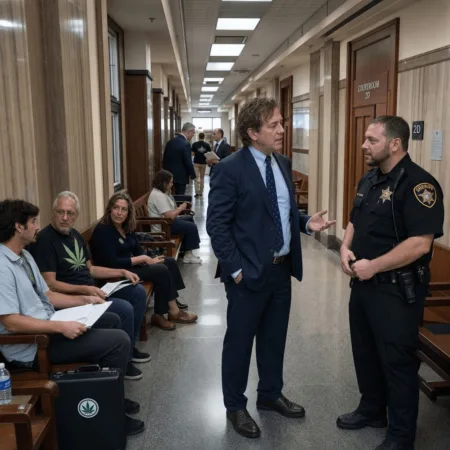
The kentucky recreational marijuana vote is heating up in 2026, as state lawmakers, advocates, and everyday Kentuckians set the stage for what could be one of the most game-changing ballot decisions in state history. Recreational cannabis isn’t just a punchline anymore—it’s part of a growing national movement, and Kentucky might finally step into the limelight. With fresh legislation on the table and mounting public curiosity, it’s the perfect moment to explore what’s happening, why it matters, and how this could reflect much deeper trends across the Bluegrass State and beyond. Here’s what you need to know about the push for cannabis legalization, the political drama, and what it all means for consumers, businesses, and the culture at large.
Regulatory & Social Landscape: What Led Us Here?
The kentucky recreational marijuana vote is the direct result of years of activism, shifting public attitudes, and national cannabis trends. Kentucky, famous for its bourbon and bluegrass, has long held a conservative stance on marijuana compared to neighbors like Illinois and Michigan, both of which have thriving adult-use cannabis markets (MLive). Historically, Kentucky allowed only strictly regulated hemp production and limited medical marijuana provisions. According to Pew Research Center, over 88% of Americans support legalizing cannabis for medical or recreational use, with support surging among rural and conservative demographics. For a broader look at how recent industry news shapes these changes, see the latest industry updates. These tides of opinion have paved the way for serious political discourse. State lawmakers now face mounting pressure from grassroots groups, business coalitions, and voters across all age brackets. The 2026 push is not only a response to a national movement, it speaks to Kentucky’s evolving social values and desire to participate in emerging markets, boost tax revenues, and modernize its economy.
Key Developments: The 2026 Legislative Showdown
The heart of the kentucky recreational marijuana vote story is found in Frankfort’s latest flurry of legislative activity. According to coverage from the Courier Journal, Kentucky Rep. Rachel Roberts took a historic swing by officially filing a House Act in early 2026, aiming to place recreational cannabis legalization directly before voters as a constitutional amendment. The act proposes legal access for adults 21+, establishes a tax regime, and creates a regulatory body modeled after Kentucky’s respected ABC (Alcoholic Beverage Control) system. The regulatory structure mirrors calls for cannabis to be treated like alcohol, reflecting a wider trend as explored in this analysis.
This isn’t Roberts’ first ride, she’s long championed medical access and is now rallying bipartisan supporters frustrated by sluggish reforms. The mood inside the Capitol is intense. Roberts’ act follows a 2025 session marked by fiery debate and increased activism. Companies like Kentucky Cannabis Company, advocacy groups such as Kentuckians for Cannabis Reform, and local farm co-ops have all thrown their weight behind the initiative. Lawmakers face vocal opposition from the Kentucky Family Foundation and law enforcement groups, who argue that legalization could strain social services and public safety resources. Notable incidents and concerns have come to light during recent enforcement activities, such as high-profile regional law enforcement actions. With the ballot initiative on track for November 2026, Kentuckians will have their say, and the state finds itself in a moment of high political stakes and cultural curiosity.
Expert Analysis: Culture Wars, Industry Promise, and the Road Ahead
The kentucky recreational marijuana vote represents far more than a local issue, as it illustrates wider shifts in attitudes and disrupts industry norms. As Marijuana Moment reports, states with adult-use markets consistently see job creation, new business opportunities, and substantial tax revenues—Illinois recently celebrated over $1.5 billion in annual sales. Legalization also brings complex challenges: social equity, public health, and regulatory intricacies. Yet economists and public health experts argue that sensible legalization can address these with strong oversight. As Dr. Amanda Reiman, a policy expert for the National Organization for the Reform of Marijuana Laws (NORML), notes, “Legalization isn’t just about more access, it’s about smarter, safer regulation, ensuring that communities benefit, and reducing harm from outdated prohibition.” Brookings Institution highlights regulatory wins in neighboring states, but they caution that effective policy must blend enforcement with education and equity. Additionally, issues of medical cannabis access for vulnerable groups remain on the agenda, as families confront uncertainty and push for legislative clarity—see insights on medical marijuana access in schools. Kentucky’s approach could become a national case study as traditionally conservative regions shift toward moderation and innovation.
Looking Forward: Opportunity, Acceptance, and a New Kentucky
The kentucky recreational marijuana vote in 2026 is about more than cannabis—it’s about Kentucky’s identity, economy, and role in a changing nation. While critics raise valid concerns, the state’s methodical approach, strong advocacy networks, and increasing public support point to a brighter, greener future. As Leafly’s industry outlook suggests, legal markets aren’t merely passing fads; they’re engines of growth, innovation, and community revitalization. If Kentucky’s voters choose ‘yes,’ they’ll join a growing chorus calling for economic resilience, criminal justice reform, and medical compassion. One thing’s certain: The Bluegrass State is making history in 2026, and there’s a real chance for forward-thinking policy, safer communities, and a seat at the table in America’s green rush.
Originally reported by: courier-journal.com