


Kansas Marijuana Raids: KBI Director Tony Mattivi Speaks Out
Let’s be straight – cannabis conversations are buzzing louder than a dab rig at a festival. The recent Kansas marijuana raids have everyone’s attention, from basement growers to business leaders. Why? These actions aren’t just police busts; they’re flashpoints in a hot national debate about legalization, social justice, and market futures. This story cuts deeper, reshaping Kansas’ relationship with cannabis. Expect analysis of the raids, insights into the legal climate, what Tony Mattivi of the Kansas Bureau of Investigation (KBI) revealed, and where seasoned advocates see this all heading. Buckle up – things get real when policy meets plant.
Kansas, Cannabis & Clashing Cultures: Regulatory and Social Backdrop
If you’ve followed Middle America’s take on weed, you know Kansas clings to prohibition like an old vinyl record. Kansas law treats marijuana as a controlled substance, with strict regulations and longstanding criminal penalties. Law enforcement agencies, including the Kansas Bureau of Investigation, remain uncompromising. Current statutes allow no legal recreational market and very limited medical exceptions, putting Kansans behind neighbors like Missouri and Colorado, who’ve embraced reform and reaped economic benefits (Denver Post).
Socially, things are changing. Polling from Pew Research shows a growing majority of Americans support legalization, echoing in Kansas communities. Still, old stigmas and fierce debates drive a patchwork of enforcement and shifting public opinion. Recent changes in public perception underscore how real stories are dispelling age-old myths about cannabis and its stigma. Recent raids reveal the widening gap between grassroots advocacy, evolving norms, and rigid statutes.
Key Developments: What Happened in the Kansas Marijuana Raids?
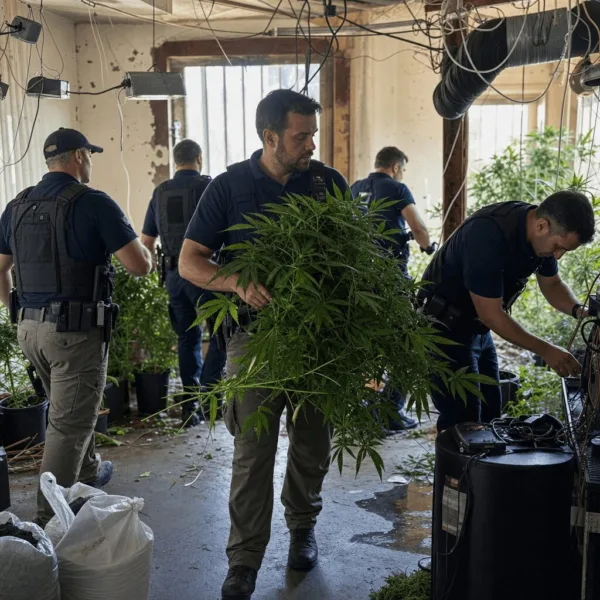
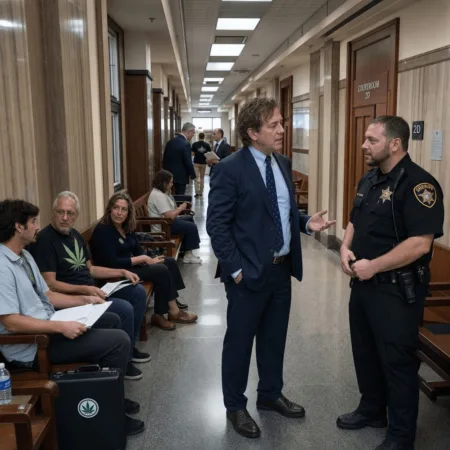
The watershed moment, a series of high-profile Kansas marijuana raids in late September 2025, drew headlines and heated comment sections across the Midwest. According to reporting from CJ Online, the Kansas Bureau of Investigation (KBI), led by Director Tony Mattivi, executed coordinated operations in multiple Kansas counties targeting suspected illegal marijuana grows.
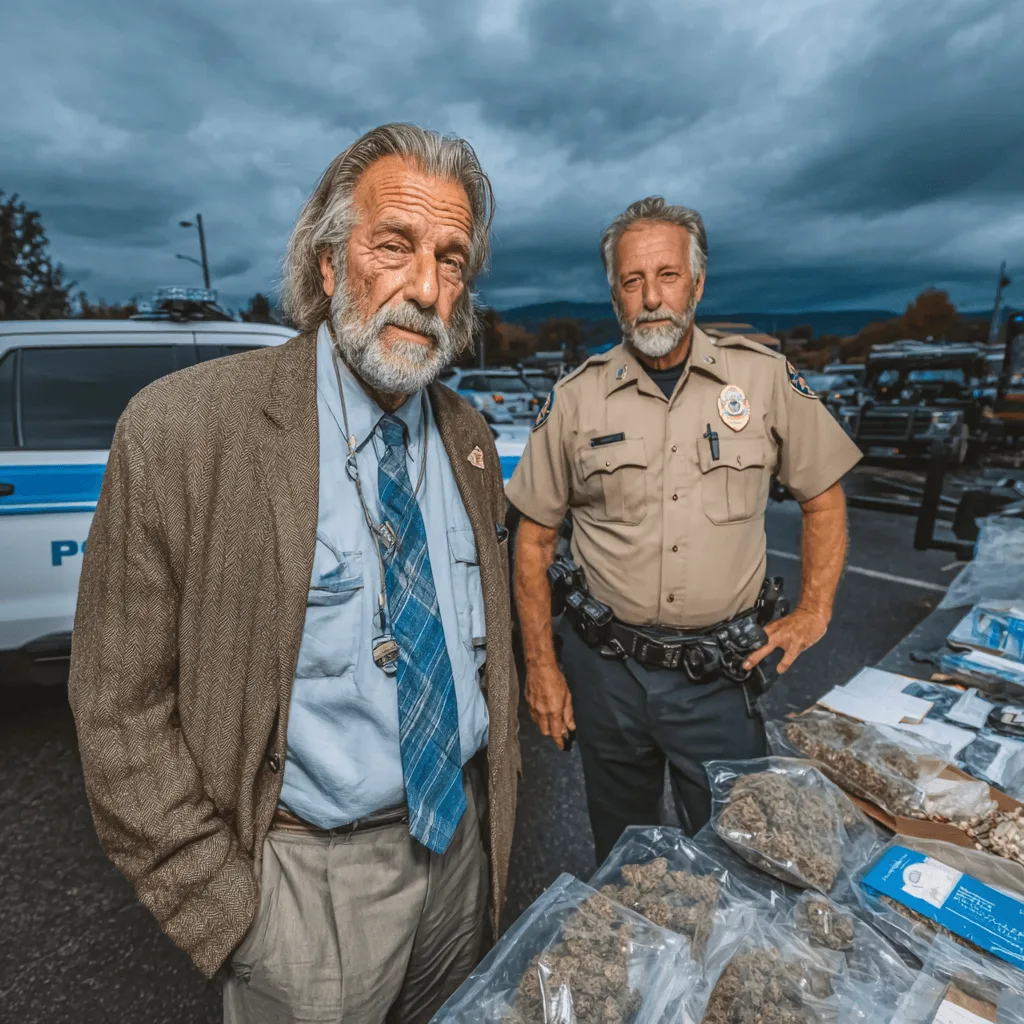
Officers seized hundreds of marijuana plants, processed cannabis, and paraphernalia. Evidence tables, like the one shown in public briefings, put the state’s zero-tolerance message on display, with Mattivi offering rare public commentary. “These actions were based on solid intelligence and a responsibility to uphold state laws,” Mattivi emphasized at the press conference.
Community response came quickly, some lauded law enforcement’s diligence, while others questioned the wisdom of consuming limited resources on cannabis rather than violent crime. For a closer look at the statewide debate and the full story behind Director Mattivi’s comments, see this in-depth coverage. The targeted sites were reported as both rural grow operations and informal distribution points, though suspects’ identities were withheld pending ongoing investigations. Major cannabis news outlets, including Marijuana Moment and Leafly News, picked up the story, noting its regional and national implications. Kansas continues to handle cannabis with a firm grip, despite mounting social and cross-border economic pressures.
Expert Analysis & Insights: Peeling Back the Green Tape
Let’s get real, the Kansas marijuana raids might be business-as-usual for some, but they spark intense debate within the cannabis industry. Why double down on prohibition while peer states cash in on taxed, regulated weed? This ongoing debate about the crackdown in Kansas illustrates deeper issues in cannabis law enforcement, and it’s a question that keeps popping up at both coffee shops and conference panels.
Industry experts have weighed in. According to NORML Policy Analyst Jax James, “When states maintain strict bans, they often end up spending more resources on enforcement while missing out on the economic and social benefits of regulation.” (NORML, 2024).
The approach in Kansas stands in stark contrast to places like Illinois, where regulators cite massive tax windfalls and sharp drops in cannabis arrests (Chicago Tribune). Persistent raids deter market development, drive underground activity, and fuel debates about racial and socioeconomic justice, as chronicled recently by Brookings Institution. The raids aren’t just about weed, they signal Kansas’s struggle to reconcile local control, tradition, and economic opportunity. “Kansas marijuana raids prove this isn’t just plant vs. policy, it’s a cultural standoff,” observes cannabis lawyer Shaleen Title of the Parabola Center (Parabola Center).
Growing Pains and Green Horizons: Looking Forward for Kansas
For all the drama, Kansas marijuana raids aren’t the end of the story – they may mark the start of a bigger one. With national legal tides turning, industry experts expect more dialogue in Topeka and at the local level about decriminalization and research-backed policy change (Marijuana Policy Project).
As public perception shifts, Kansans and policymakers face key choices: double down on prohibition or follow successful models that emphasize regulation, taxation, and public safety. No matter which side you’re on, the facts aren’t changing – regulated markets mean fewer criminal penalties, more tax dollars, and a shot at social justice.
The green rush may not have fully reached Kansas soil yet, but the cracks in prohibition are showing. Bottom line? Between bold raids and growing reform voices, Kansas is set for some serious evolution. As advocates like NORML remind us, “Voters and lawmakers shape the future of cannabis policy – and that momentum’s hard to stop.” The next chapter? It’s coming faster than a joint passed at a backyard BBQ. Stay tuned.
Originally reported by: cjonline.com
1 Comment
Pingback: Federal Way Marijuana Raid: Inside the Major Police Bust