





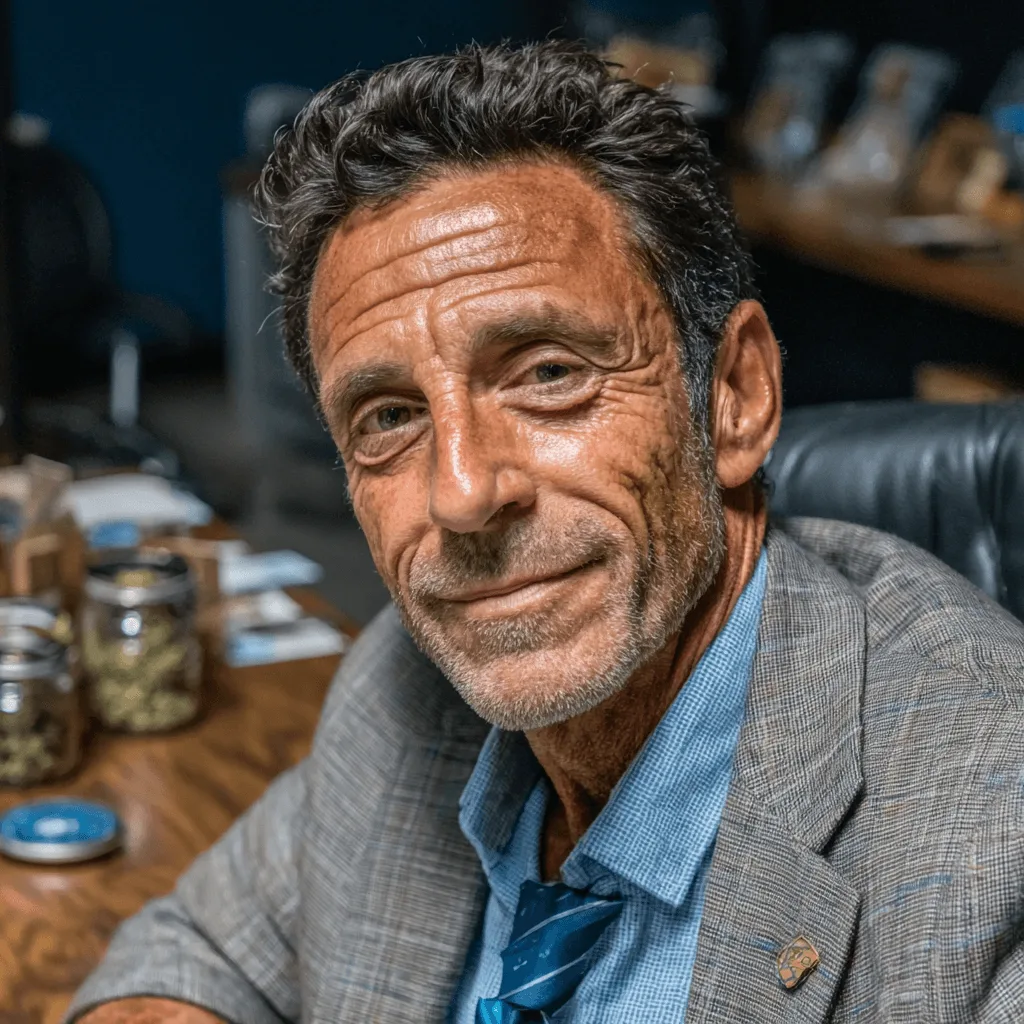
Kansas Marijuana Raids: KBI Director Breaks His Silence
Let’s face it, the world of cannabis is constantly evolving, but old-school tactics like the recent Kansas marijuana raids remind us there are still plenty of hurdles for the plant—and its supporters. State law enforcement cracking down is big news, impacting small businesses, medical users, and industry pros alike. This matters now more than ever, as legalization momentum grows nationwide but remains patchwork in places like Kansas. With authorities finally breaking their silence, it’s the perfect time to unpack what’s really going down with these Kansas marijuana raids—and what it all means for the future of weed in the Sunflower State.
Changing Laws and Social Currents: The Kansas Marijuana Raids Backdrop
To get why Kansas marijuana raids are making headlines, you’ve got to know the state’s hardline stance. Unlike those chill scenes you’ll find in places like Illinois or Colorado, Kansas hasn’t budged much on reform. Medical or recreational use? Still illegal here, according to NORML’s Kansas overview. Despite neighboring states loosening up, Kansas prosecutors and law enforcement lean on strict interpretations of the law. Part of that is political, part is tradition, and part is genuine concern about unregulated product flow. Meanwhile, Kansas borders Oklahoma and Missouri, two states with medical or adult-use cannabis programs. This cross-border market pressure and rising local support (even among some conservative voters) have made enforcement a hot topic. Raids like these often spark debate about public health, criminal justice, and even economic opportunity. As the Pew Research Center regularly reports, public support for legal cannabis keeps ticking upward nationwide. But in Kansas, these raids highlight the tension between law enforcement priorities and shifting social norms, similar to dynamics described in how changing cannabis legalization impacts society and business.
Inside the Kansas Marijuana Raids: Recent Developments and Law Enforcement’s Stance
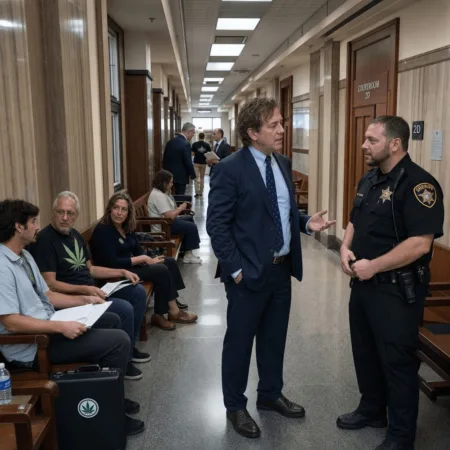
Here’s the recap: In late September 2025, multiple locations across Kansas, including rural grows, small shops, and homes, were targeted in coordinated Kansas marijuana raids led by the Kansas Bureau of Investigation (KBI). KBI Director Tony Mattivi publicly addressed the situation for the first time on October 2, 2025, as detailed in this news video from the Topeka Capital-Journal. Mattivi stressed that these actions were based on “clear probable cause” related to suspected illicit growing and distribution operations. Evidence seized included large quantities of cannabis, cash, and various paraphernalia, often packed away in the usual evidence bags. No national brands were identified in the raid, but several locally run dispensaries and suppliers faced business interruptions and legal peril. Mattivi emphasized that Kansas marijuana raids are part of a broader push to clamp down on what the agency claims are persistent threats to public safety. Significant increases in cannabis arrests—despite growing local opposition—have been noted in recent regional reporting. According to KCUR, the crackdowns have only intensified as neighboring states ease up their rules, forcing Kansas agencies to double down on enforcement even as the landscape shifts around them. For a deeper dive on Tony Mattivi’s perspective during these events, check the real story behind Tony Mattivi’s candid comments.
An Industry Veteran’s Take: Balance, Hype, and Real-World Impact
So, what’s a cannabis advocate with skin in the game say about Kansas marijuana raids like this? For one, it’s a classic example of policy not keeping pace with public sentiment. According to industry analysis from Marijuana Moment, most Kansans surveyed favor some cannabis reform. Still, as the market stays underground, enforcement becomes a costly game of cat and mouse rather than harm reduction. Raids make headlines but don’t address the root cause: outdated rules. As Morgan Fox, political director of the National Organization for the Reform of Marijuana Laws (NORML), put it: “Criminalization fails to meaningfully reduce access or abuse, it just perpetuates disproportionate harm while wasting resources.” This rings painfully true when small businesses and patients bear the brunt of the fallout. And real talk, these enforcement pushes often end up redirecting energy away from genuinely problematic crime. Savvy consumers and business owners in Kansas are left scratching their heads, wondering if they’re facing prosecution over something their friends in neighboring states buy legally at dispensaries. In places facing persistent cannabis stigma—like Ohio’s experiences sharing real stories that shatter age-old myths—industry veterans and new advocates alike are doubling down on calls for sane cannabis policies. Drawing from recent studies and insights published by the Pew Research Center, more than 85% of Americans now support some form of legal cannabis.
Looking Ahead: Kansas Marijuana Raids and the Future of Cannabis Reform
While Kansas marijuana raids are drawing plenty of heat, the trend lines for cannabis reform look hopeful—even in places historically resistant to change. The increase in raids and the visible pushback they’re getting signal the need for policymakers to revisit the conversation. Broader acceptance, proven benefits from neighboring states, and reliable safety data are making it harder to justify the old playbook. Organizations like the Drug Policy Alliance continue to advocate for science-driven reforms and harm reduction approaches. It’s clear: The debate isn’t over, but the momentum favors progress, not prohibition. If Kansas policymakers heed not just headlines but the needs and voices of their own citizens, there’s hope that future headlines about Kansas marijuana raids will mark the beginning of constructive, compassionate change for all.
Originally reported by: cjonline.com


1 Comment
Pingback: Green Monke Cannabis Executive Joins: Learn David Paterson’s Impact