Kansas Marijuana Raids: Tony Mattivi Breaks His Silence
The buzz around the latest Kansas marijuana raids isn’t just local news—it’s sending shockwaves through the cannabis community. After a string of high-profile law enforcement actions, all eyes are on Kansas and how its marijuana laws are being enforced in real time. With Tony Mattivi, director of the Kansas Bureau of Investigation (KBI), offering rare and candid commentary, this moment feels like a turning point. Why do these raids matter so much right now? Because Kansas remains one of the last states holding the prohibition line while the national cannabis tide keeps swelling. This story isn’t just about what happened, but why—and what it means for the future of cannabis in the heartland.
Cannabis Laws and Enforcement: Kansas in the National Spotlight
Kansas has long stood out as one of those states sticking firmly to prohibition, even as neighboring states like Missouri and Colorado embrace adult-use legalization. According to data from Marijuana Policy Project, Kansas still considers cannabis a Schedule I substance, making any possession, cultivation, or sale a criminal offense. Meanwhile, the national trend pushes for reform, with over half of U.S. states now allowing at least medical use, and public opinion polling shows that more than two-thirds of Americans support legalization (see Pew Research Center). In Kansas, however, law enforcement and political leaders have traditionally claimed tight controls are necessary to stem crime and protect youth, a stance often at odds with evolving social norms and market forces in the wider region. A recent post discusses whether Kansas’ crackdown is creating true change or simply fueling more conflict in the state, as detailed at this in-depth examination. Local advocacy groups, like Kansas NORML, continue to lobby for change, but for now, law enforcement retains considerable authority to crack down on all cannabis activities.
A Closer Look at Kansas Marijuana Raids: Key Facts and Recent Developments
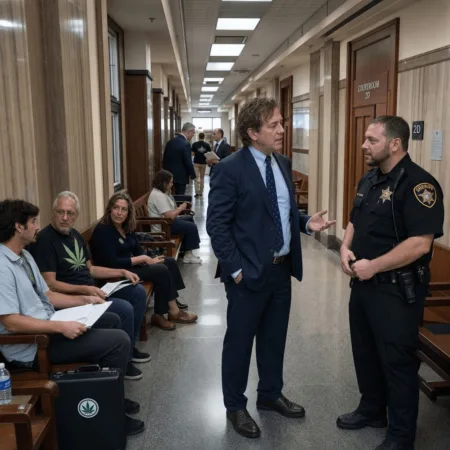
In late September 2025, the Kansas Bureau of Investigation, under Tony Mattivi’s leadership, launched several synchronized marijuana raids across the state, targeting sites suspected of illegal cultivation and distribution. According to local reporting from the Topeka Capital-Journal, these raids led to multiple arrests, the seizure of hundreds of cannabis plants, processed marijuana, cash, and other paraphernalia. Law enforcement executed search warrants at various locations, including small farms and discreet distribution hubs in both rural and urban counties. Interviews with Mattivi reveal a deliberate, data-driven approach, and concerns about cannabis distribution echo tough questions on the community level—this is illustrated by the response to recent THC distribution sentencing covered in this topical post. The timing of these actions aligns with legislative sessions where Kansas lawmakers continue to debate, often heatedly, whether or not to even allow medical marijuana, let alone broader policy reform (for legislative background, see The Wichita Eagle).
Expert Insights: What Do These Raids Reveal About the Cannabis Landscape?
From an advocate’s standpoint, these Kansas marijuana raids feel like relics of a fading era, one more bump in the rollercoaster of state-by-state legalization. Industry watchers point to the raids as proof of how out-of-sync Kansas law remains with both regional neighbors and national trends. “Kansas is building a policy wall while the legal cannabis market booms just next door,” notes Leafly’s editorial team, summing up the contradiction. The raids also put a spotlight on disparities in enforcement and the ripple effects on small communities. Data from the ACLU shows that cannabis arrests disproportionately impact minorities, adding a social justice dimension to what some policymakers assert is a straightforward crime control issue. Concerns about the effect of enforcement on local dispensaries echo the experience detailed in the Sand Springs dispensary seizure incident, as discussed in this industry analysis. The reality? Even top officials acknowledge the controversial nature of these actions. Tony Mattivi himself has called for “an honest dialogue about the options and consequences,” suggesting openness to public input but, for now, sticking by existing statutes. Cannabis industry insiders, meanwhile, worry that aggressive enforcement only drives the underground market further underground while denying tax revenue, jobs, and medical access to those most in need.
Looking Ahead: Can Kansas Keep Up with Changing Cannabis Currents?
While it’s clear the Kansas marijuana raids have thrown a cold splash of reality on local advocates, there’s reason for optimism. States across the Midwest have flipped their cannabis laws in just a few short years, often after similar high-profile crackdowns triggered public debate. As popular support swells and economic data mounts (see Forbes), many believe Kansas will eventually have to reckon with the writing on the wall. If and when reform happens, it’ll be because pressure—grassroots and market-driven—forced the issue. This moment, tough as it seems, may be exactly what’s needed to spark that overdue conversation. After all, as the rest of the country knows, the cannabis industry isn’t just growing—it’s thriving.
Originally reported by: cjonline.com