





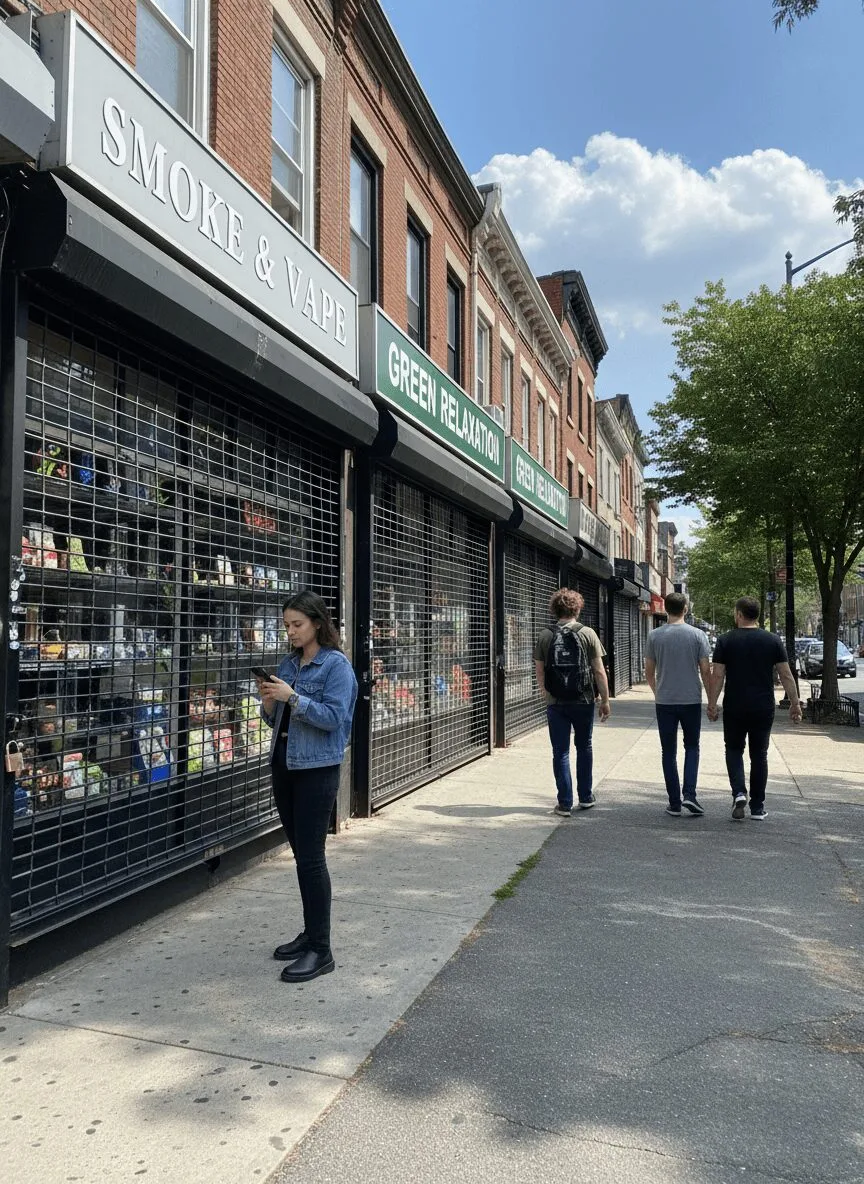
Jersey City cannabis crackdown: 5 smoke shops shut down
The Jersey City cannabis crackdown has become a hot topic as authorities recently targeted local smoke shops, closing five storefronts in a move that’s sending ripples through the area’s cannabis community. With the legal weed landscape still finding its groove in New Jersey, the city’s decision is grabbing attention from industry insiders and casual consumers alike. As the Garden State’s cannabis industry grows and regulations evolve, these enforcement actions reflect the challenges and opportunities ahead for retailers and consumers. Let’s break down what’s happening, why it matters, and what it means for the future of cannabis in Jersey City.
Regulatory Background: Navigating New Jersey’s High-Stakes Legal Weed Landscape
Ever since New Jersey voted to legalize adult-use cannabis in 2020, municipalities like Jersey City have been hustling to balance regulation with community benefit. Under state law, licensed dispensaries, approved by the New Jersey Cannabis Regulatory Commission, must meet rigorous standards. However, the rapid emergence of unlicensed shops, gray market smoke shops, and confusion about what counts as legal retail have complicated local enforcement, according to Marijuana Moment. Similar regulatory challenges are happening outside the state as well, as seen with recent changes to military cannabis policies. Jersey City officials argue that unchecked retail can undermine zoning ordinances, cause quality control headaches, and impact community safety.
Meanwhile, consumer demand for cannabis and related products is rising, fueled by social acceptance and growing market projections, as reported by Forbes. This puts pressure on both state and municipal regulators to tighten control without stifling growth or access. The Jersey City cannabis crackdown, therefore, is set against a backdrop of regulatory shakeups, entrepreneurial energy, and grassroots advocacy for fair, accessible cannabis commerce.
Key Developments: How the Jersey City Cannabis Crackdown Unfolded
On March 15, 2026, city authorities swooped in on five Jersey City smoke shops accused of operating outside state regulations, as reported by NJ.com. Storefronts including GreenWay Smoke, Dazed Shoppe, Vapor Haven, East Bay Glass, and Puff City were ordered to immediately cease operations.
The city issued cease-and-desist orders citing violations such as selling cannabis or THC-infused edibles without a state license, improper documentation, and alleged safety failures. According to public filings, city inspectors, backed by local law enforcement, conducted surprise inspections after community complaints and undercover checks revealed unlicensed product sales. As student cannabis possession charges in schools remain a concern in neighboring states, Jersey City has stepped up efforts to clearly distinguish state-licensed dispensaries from unregulated shops, aiming to enforce compliance and protect consumers. Shop owners were handed summonses and shut-down notices on the spot. Appeals are reportedly underway, but for now, the Jersey City cannabis crackdown has left five high-traffic retail spots closed. Customers and staff, caught off-guard, voiced confusion, underscoring the ongoing pains of a maturing legal market.
Expert Analysis: The Impact, and Why It Matters for the Cannabis Industry
The Jersey City cannabis crackdown is more than just a local enforcement story, it highlights key industry tensions between public safety, market growth, and access. According to Cannabis Business Times, New Jersey’s regulated market is projected to generate billions in annual revenue by 2027, but only if enforcement keeps pace with innovation at the retail level.
Industry advocates say gray market retailers often step in to fill gaps left by limited licensed dispensaries, especially in urban areas where consumer demand is high and legal access can lag. As industry attorney Jasmine Carr, partner at East Coast Cannabis Counsel, explains: “The challenge is that rapid shutdowns can drive cannabis consumers back to unregulated markets, which runs against public health goals. Ideally, enforcement should be matched with pathways for existing operators to transition to full compliance.” (MJBizDaily)
This move aligns with broader national trends: cities across the U.S, from New York to Los Angeles, are confronting similar dilemmas, balancing compliance with inclusivity and consumer choice. Nationwide, topics like medical cannabis oversight reform and access remain central to regulatory discussions. At the same time, city leaders emphasize the need for community trust, legitimate tax revenue, and consumer safety. Together, these factors are shaping the contours of the Jersey City cannabis crackdown and the state’s ongoing regulatory journey.
Future Outlook: What’s Next for Jersey City’s Cannabis Scene?
Despite this latest Jersey City cannabis crackdown, the city’s cannabis community remains hopeful. Enforcement moves like these, while disruptive, signal a turning point—and potential for more clarity and opportunity for licensed operators. As NORML observes, sustained regulatory clarity, consumer education, and equitable licensing are key to New Jersey’s long-term cannabis success.
Looking ahead, weed culture in Jersey City will keep evolving alongside state reforms and national shifts toward acceptance. Savvy entrepreneurs and local leaders are already lobbying for policies that streamline licensing and support transition from gray to green. For consumers, clarity around where and how to buy safe, legal product is just as important as access itself.
The cannabis community knows setbacks are temporary; a more open, healthy market—and a more inclusive approach to enforcement—will ultimately make Jersey City a standout player in the legal cannabis movement. So while the crackdown makes headlines today, tomorrow’s weed scene looks brighter, greener, and better for all.
Originally reported by: nj.com



3 Comments
Pingback: Minnesota hemp-derived THC: Industry Faces Washington Roadblocks
Pingback: Arizona marijuana oversupply: Why is there too much weed?
Pingback: Marijuana Lung Cancer Risk: What You Need to Know Now