





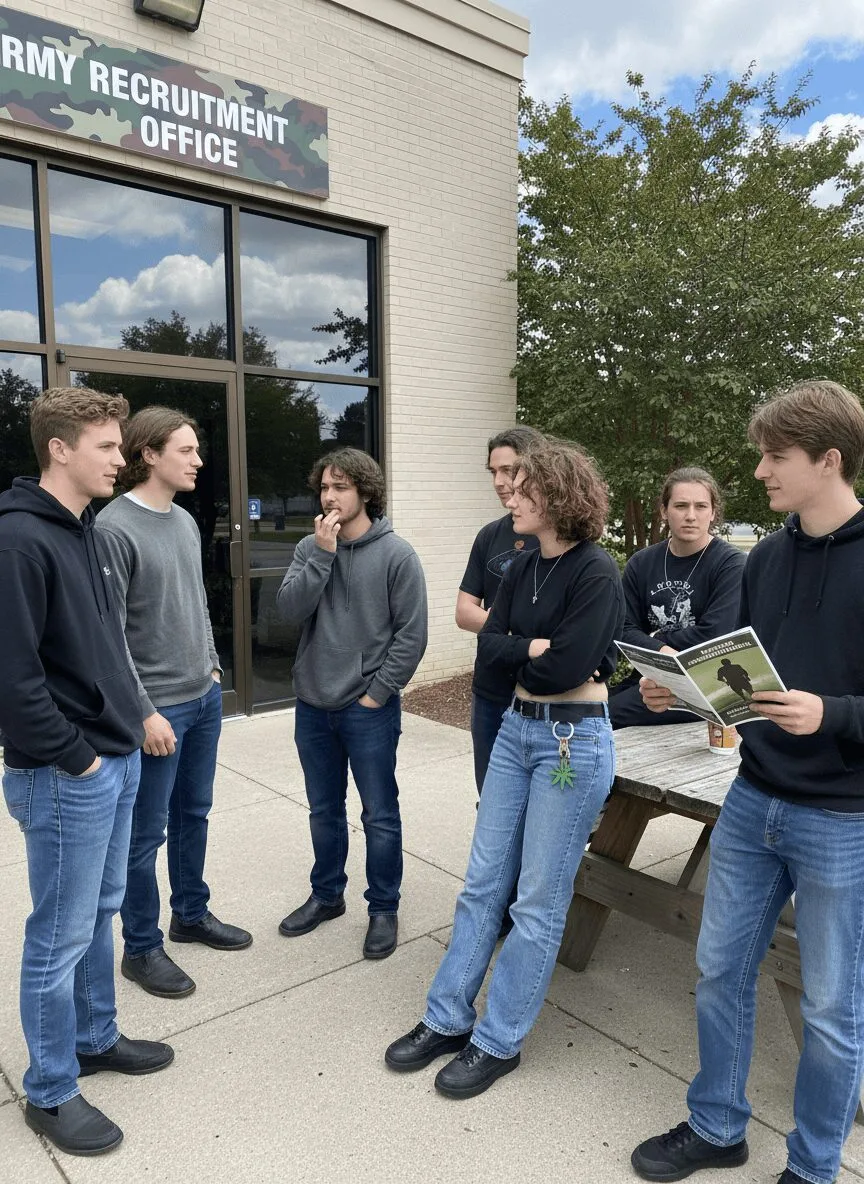
Army enlistment age marijuana: Surprising new policy unveiled
The intersection of military recruitment and cannabis reform is making headlines, and for good reason. Big shifts are shaking up who can wear the uniform—and what they might have in their past. The latest army enlistment age marijuana policy changes aren’t just a matter of military paperwork—they reflect a wider societal transformation in how we see cannabis and its users. Right now, debates about the army enlistment age marijuana topic hit hard: recruiting struggles, changing state laws, and generational perspectives all collide. If you care about fairness, the future of the armed forces, or just want to know where cannabis fits into society, this update matters. Here’s why these new rules have everyone talking, and how they could open doors once slammed shut for would-be recruits.
The Evolving Landscape Behind Army Enlistment Age Marijuana
For decades, a marijuana conviction was a red line for anyone dreaming of joining the U.S. Army. With cannabis federally classified as a Schedule I substance under the Controlled Substances Act, military policy followed suit. That’s meant thousands have been screened out, despite shifting norms. Flash-forward to 2024, and you’ve got 38 states with some type of legal marijuana (thanks to sources like the National Conference of State Legislatures), and adult use is normalized in a growing number of places. These regulatory changes force the military to re-examine old assumptions, balancing recruitment needs with evolving social attitudes. Shrinking enlistment numbers, heightened by recent workforce shortages (RAND Corporation report), have put pressure on the Army to rethink outdated entry barriers. The shifting national debate is reflected in how local communities are also addressing drug-related issues, such as in Louisiana’s evolving stance on research, seen in how Louisiana is shaking up drug policy through opioid settlement psychedelic research. Public opinion polls now suggest most Americans support some cannabis reform, even for jobs requiring high trust, military duty included.
Army Raises Enlistment Age and Relaxes Marijuana Conviction Rules
In a landmark move announced March 26, 2026, the U.S. Army upped its maximum enlistment age from 35 to 42. According to the Washington Times, this is the highest recruitment age in modern Army history. That’s not all, the Army now allows certain marijuana-related convictions to be “waiver eligible.” Previously, even minor cannabis infractions disqualified candidates outright. Under the new guidelines, as long as the marijuana conviction isn’t tied to felonies or other serious crimes, potential recruits can apply for waivers and be considered on a case-by-case basis. Other branches and agencies are also adapting, with innovations in U.S. military culture highlighted by changing Army cannabis recruitment policy. This move aligns with broader Department of Defense recruitment reforms, addressing what officials describe as the most challenging recruiting environment since the all-volunteer force began. The policy tweak directly impacts the army enlistment age marijuana issue, marking a clear response to shifting legal landscapes and a wider social pushback against the lingering stigma of past cannabis use. Still, all applicants will face drug testing, and active use remains a disqualifier.
What Does This Really Mean? Deep-Dive Expert Analysis & Balanced Insights
Let’s be blunt, these changes are huge for people caught at the crossroads of cannabis culture and military service. Cannabis legalization campaigns predicted a day when the law would catch up with reality, this Army move shows we’re closer than ever. “We’re seeing the military adjust to what the rest of society has already accepted: marijuana shouldn’t be a lifelong barrier to good jobs and meaningful service,” notes Marijuana Moment editor Kyle Jaeger. Army leaders acknowledge the update is pragmatic, not permissive, and while no one’s getting a pass for showing up stoned, those with minor cannabis histories now get the chance to prove themselves. Recruiters, long frustrated by disqualifications over single cannabis misdemeanors, recognize that today’s generation of enlistees faces a patchwork of ever-changing marijuana laws from state to state—something visible in the different approaches to cannabis legislation across states, from changing opinions in Orange County on cannabis legalization to broader reforms elsewhere. By adjusting its stance, the Army signals respect for regional autonomy and public opinion, even as federal prohibition lingers. Recent data echoes this shift: the Pew Research Center finds that 88% of Americans support at least some legalization. For would-be soldiers weighed down by a youthful mistake, the army enlistment age marijuana reforms unlock second chances.
The Future of the Army Enlistment Age Marijuana Debate
This isn’t just a policy change—it’s a bellwether for future military-cannabis relations. The Army’s willingness to revisit old bans reflects the broader normalization of cannabis across American life. Recruiting may still be tough, but one thing is clear: barring committed, qualified individuals over outdated marijuana attitudes is out of step with today’s values. As more states legalize and cannabis moves from counterculture to mainstream, expect the army enlistment age marijuana conversation to keep evolving. Thoughtful policy—grounded in fairness—means second chances for many, and a stronger, more inclusive force for all. As industry observer Leafly notes, these incremental steps add up to real progress toward a society that values both service and sensible drug policy. And that’s something both advocates and skeptics can salute.
Originally reported by: washingtontimes.com


