

Army Cannabis Recruitment Policy: What It Means for New Recruits
Talk about a sign of the times—the army cannabis recruitment policy has just shaken up military hiring across the country. As cannabis reforms take root from coast to coast, the U.S. Army is adapting its standards to meet reality. In today’s rapidly changing market, this policy flip speaks volumes about shifting public opinion and the military’s current recruiting crunch. We’ll break down what’s changed, why it matters now, and what this means for future recruits eyeing both service and cannabis culture.
Understanding the Army Cannabis Recruitment Policy Shift: Social, Regulatory Backdrop
To appreciate the army cannabis recruitment policy, you’ve got to zoom out. America’s relationship with cannabis is evolving fast, thanks to widespread state-level legalization, decriminalization, and the rise of adult-use markets from California to New York (NORML summarizes the latest laws). Yet for decades, federal agencies such as the military clung tight to zero-tolerance rules. That disconnect created obstacles for recruiters, especially as most young adults in legal states now see cannabis as less risky than a weekend with tequila. Social stigmas are fading, and recent Gallup polls show majority support for legalization (see Gallup’s national polling here). Amidst this changing landscape, the military has struggled to meet recruitment goals, reflecting a broader challenge similar to the ongoing debates about legal beverages and restrictions seen in areas like Ohio’s THC beverage bans and their impact on local businesses, prompting officials to rethink outdated drug policies in favor of reality-based standards.
Key Developments: What’s Actually Changing in Army Cannabis Recruitment Policy
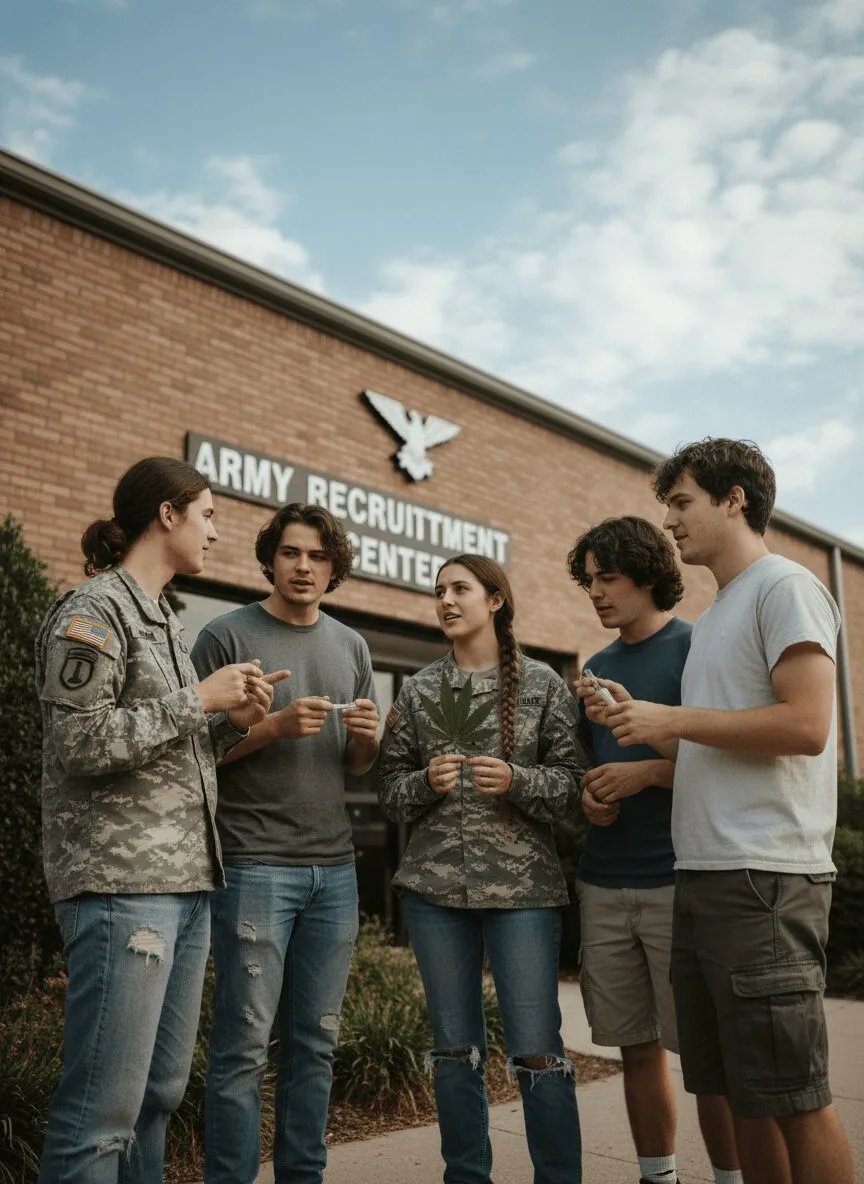
March 2026 will be remembered as the month the U.S. Army announced a practical tweak: potential recruits who test positive for cannabis will not be instantly rejected. According to Marijuana Moment, reporting on the official Army announcement, enlisted candidates with a positive test for cannabis on their initial screening can now request a waiver. This move mirrors trends established in states like Illinois, where officials recognize the impact of local legalization on hiring policies (see the Chicago Tribune’s related coverage). Army leadership cited the need to adapt, especially when growing numbers of Americans—including veterans and military families—live where cannabis is legal or decriminalized. Such shifts mirror the broader conversations about transparency and enforcement, similar to the ongoing scrutiny of cannabis finance and regulatory scandals in Illinois. Still, waivers aren’t automatic: recruits must meet other standards, and repeat positives may exclude applicants. Experts say this marks a significant break from the military’s previous hardline stance, designed to boost enlistment as the Army faces historic recruitment shortfalls.
Expert Analysis: Unpacking the Army’s Changing Stance on Cannabis
There’s no denying that aligning military drug policy with state realities is overdue, and this army cannabis recruitment policy is a major nod to common sense. Industry veteran and policy expert Kris Krane noted in Forbes: “Countless Americans now see cannabis as a normal part of life, so military standards have to keep pace or risk alienating the very recruits they seek to inspire.” By bringing cannabis waivers into the process, the Army acknowledges that blanket bans don’t reflect public values or scientific evidence. At the same time, skeptics inside the Defense Department emphasize the difference between tolerance for off-duty past usage and maintaining zero-tolerance for on-duty violations—a nuanced middle ground, not a free pass. Many recruitment experts believe this approach is likely to expand across other federal agencies as the disconnect between state-level legalization and federal prohibition grows more pronounced. The evolution resembles some recent enforcement shifts around the country, such as crackdowns and new approaches to cannabis-related offenses in Arkansas, reflecting a nationwide reevaluation of policy and enforcement priorities.
Looking Ahead: Optimism for Recruits & the Cannabis Community
The biggest takeaway from the new army cannabis recruitment policy? The tide is turning for both military culture and broader cannabis acceptance. The Army’s willingness to bend on this issue signals a growing recognition of legal cannabis’s place in everyday American life. With more states likely to follow nationwide legalization efforts, expect both the public and private sectors to keep updating their standards. According to a recent Leafly report on ongoing legalization trends, most major institutions are being forced to adapt by public demand. Sure, there will be bumps along the way—but progress is undeniable. For today’s recruits and tomorrow’s veterans, the door is finally starting to open wider, blending national service with new freedoms from America’s green revolution.
Originally reported by: marijuanamoment.net