

Illinois cannabis cash laundering: shocking truth revealed
If you thought legalized weed in Illinois was all flowers and good vibes, think again. The recent attention on Illinois cannabis cash laundering sends serious shockwaves through both the industry and the public. From headlines about major financial irregularities at dispensaries to whispers of old-school street money flowing into the new legal scene, this isn’t just a local scandal—it’s a pivotal moment for anyone who cares about transparency in a fast-growing, billion-dollar market. Here, we’ll break down what’s triggering these headlines, why it matters right now, and what it means for the future of legal cannabis in Illinois. Strap in, because this ride is far from mellow.
Understanding the Roots: Regulation, Money, and the Legalization Dilemma
The story of Illinois cannabis cash laundering can’t be separated from the unique financial and regulatory challenges facing legal cannabis. Thanks to federal prohibition, most U.S. banks shun cannabis companies, leaving Illinois dispensaries and growers to operate in what The New York Times calls a “cash-only economy on steroids.” Even with the expansion of legal sales, including state trends where local responses can drive major market impact, as seen in recent Orange County cannabis legalization debates, companies struggle to access basic banking services, as confirmed by Marijuana Moment. Adherence to state compliance is high, but the total lack of federal clarity creates cracks where ‘creative bookkeeping’ can slip through. Simultaneously, the social equity movement aims to bring marginalized communities into the business, but critics say it sometimes opens doors for bad actors to exploit legal gray zones. This backdrop shapes today’s controversies.
Key Developments: Unpacking the Illinois Cannabis Cash Laundering Scandal
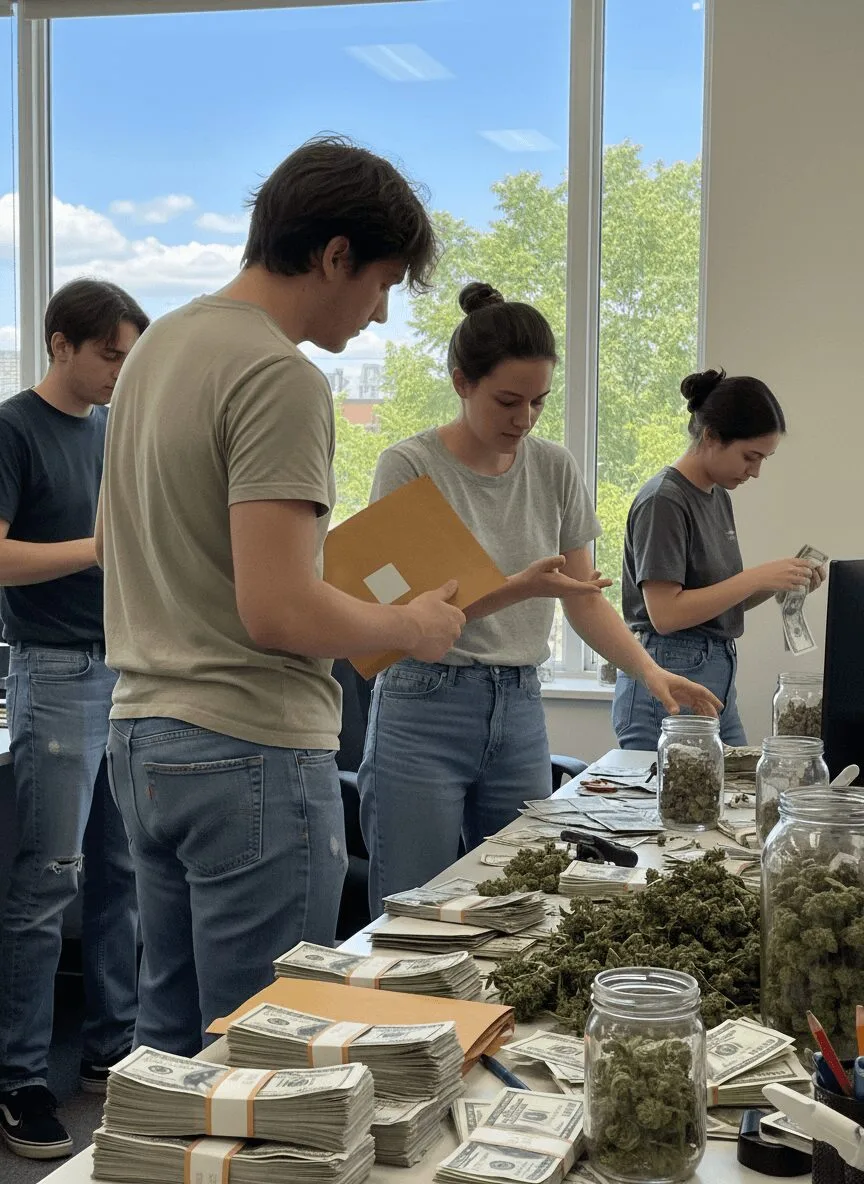
In March 2026, Illinois exploded with controversy following Chicago Sun-Times reporting that Ivy Hall, a major dispensary group, was allegedly entangled in a sophisticated cash laundering operation connected to previously laundered cocaine profits. According to legal filings and investigative reports, federal authorities are scrutinizing not just Ivy Hall’s founders, but also backers with deep ties to political figures and legacy-market players. Similar scrutiny of financial flows and cash-based sales has surfaced in other regions, such as in the analysis of brewery and infused product regulations where Ohio’s THC beverage ban challenged Cleveland breweries. The reports suggest that stacks of unexplained cash flowed through official company records, showing gaps between reported sales and bank deposits. The involvement of David Berger, political connections to state Rep. LaShawn Ford, and Illinois Governor JB Pritzker’s advocacy for equity licensing add political weight. Industry insiders cite whistleblower reports and regulatory audits from the Illinois Department of Financial and Professional Regulation as triggers for the investigation, with enforcement actions pending. This case stands out not only for its drama but for the way it exposes the lingering shadow of illicit markets in the legal industry.
Expert Analysis: Transparency, Trust, and a Path Forward for Legal Cannabis
So, what does the Illinois cannabis cash laundering saga mean for the wider industry? First, it spotlights years-long frustrations over the lack of reliable banking: in the words of cannabis finance analyst Emily Paxhia, partner at Poseidon, “Until federal banking laws catch up, these regulatory limbos leave a wide lane for both honest mistakes and deliberate fraud.” (Marijuana Policy Project) This isn’t a uniquely Illinois problem; when federal and state laws clash, oversight gaps have led to headlines nationwide, including significant enforcement actions such as the major South Carolina THC bust impacting multiple operators. However, the Illinois case highlights how rapid legalization without robust oversight can allow criminal practices to linger. Responsible operators in Illinois and beyond are calling loudly for both more transparency and a normalization of business tools like banking, taxes, and digital tracking. Industry publications like Ganjapreneur and Leafly News consistently note that bringing legal cannabis out of the financial shadows improves safety and public trust. While the alleged actions of a few are headline fodder, most cannabis professionals are focused on legitimacy and compliance, something often lost in the media hype. As Paxhia puts it, “If the legal market is to fulfill its promise, it has to be more transparent than any industry before it.”
The Road Ahead: Lessons, Opportunities, and Optimism Beyond the Headlines
Amid the headlines about Illinois cannabis cash laundering, there’s a huge opportunity for growth, reform, and even redemption. Every exposed weakness paves the way for better systems and cleaner practices. Lawmakers are already proposing stronger financial due diligence and pushing for the federal SAFE Banking Act, arguing it will choke off the kinds of laundering we see hitting the news (U.S. Congress). Public acceptance of legal cannabis keeps rising, and new investment and job creation follow. As the legal market matures, stories like these remind us not just to be watchdogs but also champions for sustainable, ethical growth in the green rush. Illinois—and all legal states—stand at a crossroads: let scandal define the movement, or let reform and innovation pave the future. Judging by current trends, the cannabis community is ready for a safer, cleaner, and more respected industry.
Originally reported by: chicago.suntimes.com