Illegal Marijuana Operation Ogle County: Massive Raid Revealed
The cannabis community is buzzing right now, not just because of fresh drops, but due to a headline-making bust—the illegal marijuana operation Ogle County investigation. In a state navigating legalization and market growth, news of a massive raid shakes up everyone from seasoned advocates to new entrepreneurs. With fresh details on the operation’s scale, law enforcement actions, and what it means for the industry, this story offers lessons every cannabis fan—and critic—should pay attention to. Let’s break down why illegal marijuana operation Ogle County is making waves, what really happened, and what it signals about the future of the plant in Illinois and far beyond.
The Regulatory Landscape: Why Illegal Marijuana Operation Ogle County Happened
Here’s the reality: despite Illinois’ legalization of recreational cannabis in 2020, the regulatory landscape is a complex patchwork. As Chicago Tribune and other respected outlets report, legal growers face heavy compliance hurdles, licensing fees, and strict plant tracking from seed to sale. Meanwhile, rural areas like Ogle County remain hotspots for illicit grows, drawn by lower operating costs, secluded real estate, and, let’s be honest, the hope of dodging scrutiny in a mostly ag-centric region. Social attitudes are also shifting, as recent Pew Research data shows, but not everyone supports full legalization, especially in conservative pockets. This tension between law, market demand, and evolving cultural acceptance created the backdrop for the illegal marijuana operation uncovered in Ogle County that’s making headlines.
Key Developments: What Went Down in Ogle County
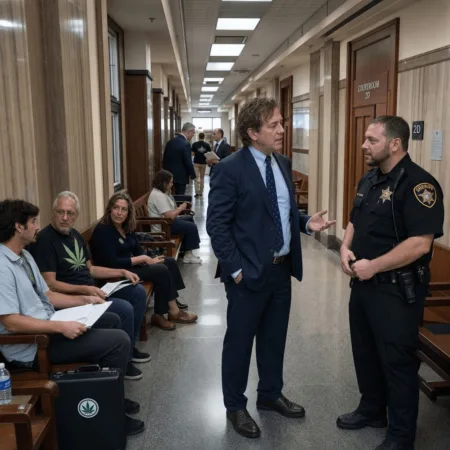
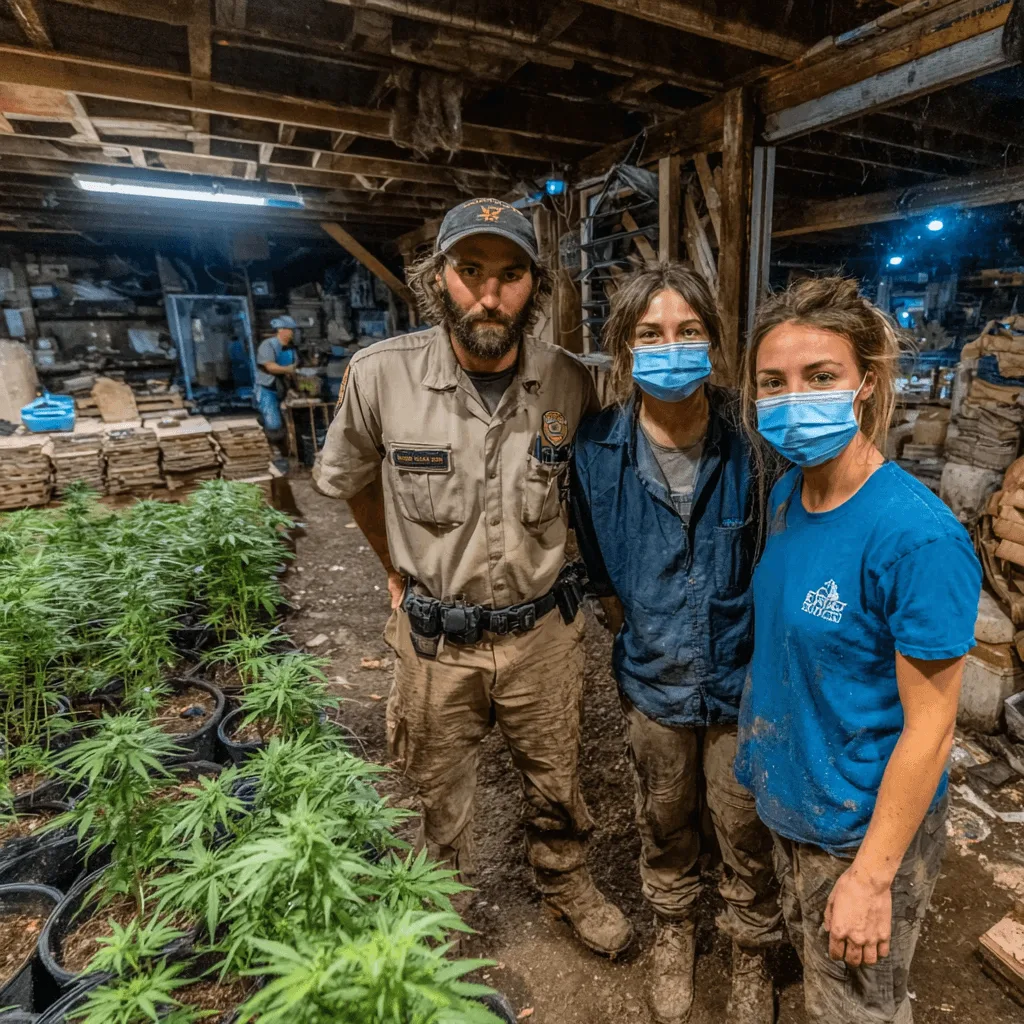
Details are emerging fast on the illegal marijuana operation Ogle County raid. According to reports by Mystateline.com, local law enforcement, backed by county and state agencies, executed a massive raid that uncovered a commercial-scale cannabis cultivation setup hidden in a rural barn. Officers discovered hundreds of mature cannabis plants, sophisticated grow lights, plastic planters, bags of soil, and what authorities described as “substantial evidence of ongoing agricultural operations.” The bust was the result of a weeks-long investigation, culminating in arrests and the seizure of all materials on-site. The Ogle County Sheriff’s Office cited state law, which mandates all commercial cannabis operations must be licensed, tracked, and regularly inspected—a standard this operation fell short of by a mile. There’s no mention of cartel involvement; rather, it looks like a locally managed grow that got too large to ignore. Police reports highlight that no violence was involved, no firearms seized, and the arrestees are expected to face charges relating to unauthorized cannabis manufacturing and intent to distribute—penalties that can carry significant sentences in Illinois, even post-legalization. As seen in other recent cases, the illicit market continues to pose both enforcement and policy challenges for legal-state authorities. While Illinois’ situation is unique, states like Pennsylvania have also experienced challenges as highlighted in what locals are losing during legalization delays elsewhere.
Expert Analysis: Beyond the Headlines and Into the Roots
Let’s pack the bowl and pass some context, the illegal marijuana operation Ogle County case isn’t just another raid, it’s a window into the market’s gray zones. Industry experts, like Leafly, note that high demand, limited licenses, and expensive legal compliance fuel these underground grows. In fact, as executive director Ben Kovler of Green Thumb Industries observed in an interview with Forbes, “The regulated market’s high taxes and slow rollout leave a void the illegal market keeps filling.” Advocates argue this is a policy problem as much as it is a legal one. Illicit operators take huge risks, but they also highlight obstacles that smaller, often legacy growers face entering the regulated system. And here’s a thought, Illinois regulators continue to tweak the rules in hopes of minimizing these issues, but experts say it’s a slow burn. The illegal marijuana operation Ogle County situation reminds us that shutting down black-market grows isn’t a sign legalization failed, it’s proof we’re still perfecting the balance between access, equity, and accountability. In the broader context of U.S. cannabis regulation, regulatory changes such as the recent developments in Minnesota THC beverage regulations show how states are experimenting with ways to manage evolving local markets.
Future Outlook: Lessons from Ogle County & A Brighter Cannabis Tomorrow
So what does the illegal marijuana operation Ogle County incident mean for cannabis in Illinois? First, expect ongoing law enforcement focus—rural counties want to show they’re on top of compliance. But this isn’t a step backward. As MarijuanaMoment and other industry trackers point out, licensed cannabis sales keep hitting new records in Illinois, and public support for reform keeps growing. Every bust, while disruptive, sparks fresh conversations about upgrading the legal system—making it fairer, more accessible, and less burdensome for legacy operators and new entrants alike. The ultimate lesson? Cannabis culture isn’t shrinking; it’s evolving faster than ever. Moments like the illegal marijuana operation Ogle County serve as reminders to keep pushing for smarter policies, more education, and a market where the legal, the legacy, and the new can coexist and thrive.
Originally reported by: mystateline.com