





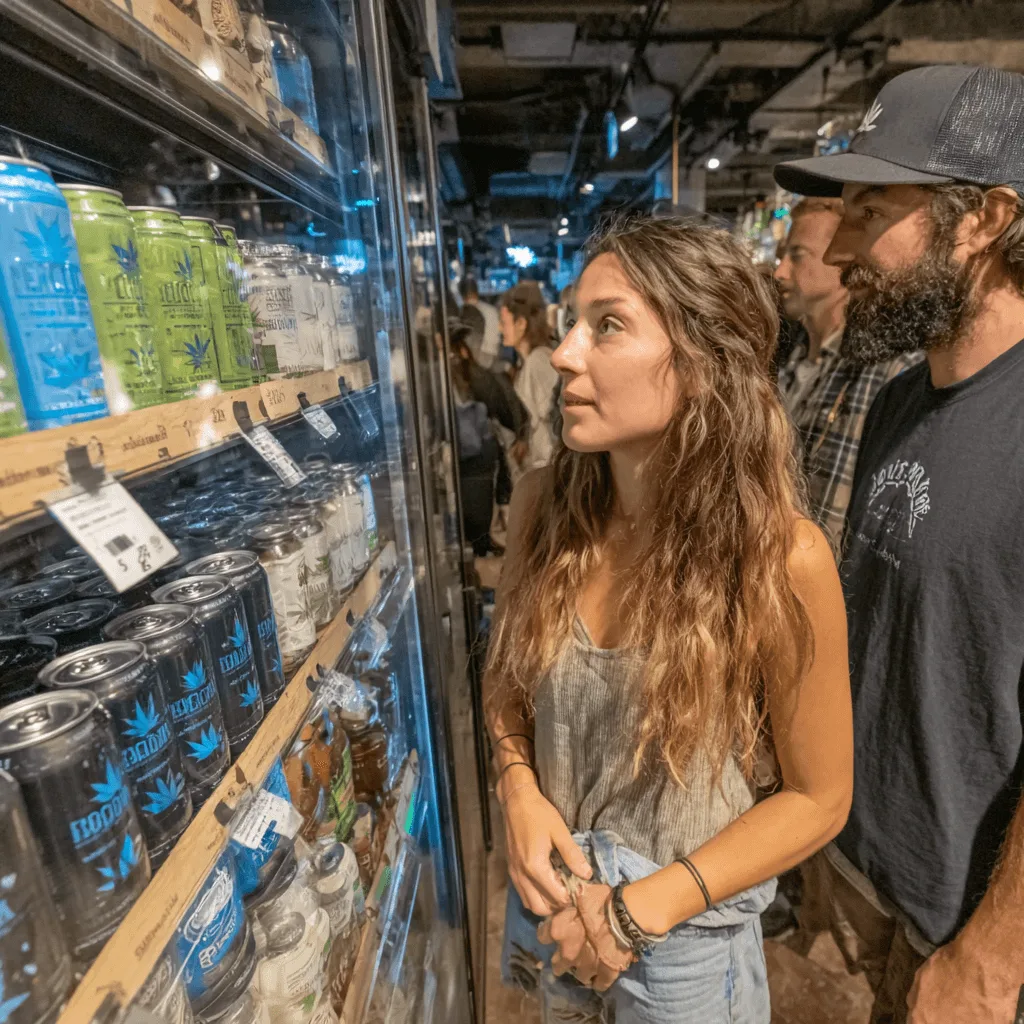
Minnesota THC Beverage Regulations: What To Know Now
Grab your favorite infused beverage and pull up a chair. It’s crunch time for Minnesota’s buzzing cannabis beverage scene—and, trust me, everyone’s talking about Minnesota THC beverage regulations. With new laws and label rules rolling out, drink makers, shop owners, and fans are riding a fresh wave of uncertainty. Whether you love the growing variety or work in the industry, understanding what’s happening right now is crucial. This guide unpacks why the buzz is so loud this month, what these rule changes mean for your favorite THC sips, and where Minnesota might be headed next.
Background: From State Markets to THC Sips, How We Got Here
The thirst for THC-infused drinks in Minnesota mirrors a nationwide trend, with many U.S. states racing to define legal space for these buzzy beverages. Cannabis drinks have soared in popularity since federal law loosened hemp restrictions and states like Minnesota embraced legalization. According to NORML, Delta-9 THC beverages occupy a unique legal gray zone, as they can be derived from federally legal hemp but act like typical edibles. Still, the rules keep shifting. Local entrepreneurs and national brands alike have jumped in, but Minnesota’s regulatory approach is evolving fast. As cannabis regulation continues to evolve nationwide, recent developments echo what other states are dealing with, such as how small towns and communities adjust to dispensary locations, which is seen in the challenges voiced by small towns regarding dispensary impact.
Starting in July 2022, Minnesota was among the first Midwestern states to specifically permit the over-the-counter sale of low-dose Delta-9 THC edibles and beverages from hemp, according to Marijuana Moment. The twin priorities have always been public safety and product consistency. What makes Minnesota’s market unique is its rapid growth: a robust network of local brewers, established beverage makers, and hemp farmers are now facing rising demand, and far more scrutiny. Lawmakers seek tighter testing, transparent labels, and better consumer education. Suddenly, that local relaxing seltzer or bubbly ‘cannacocktail’ isn’t flying under the radar anymore. As new legislation hits, questions pile up, such as how drinks should be tested, who checks claims, and why rules keep changing.
Key Developments: New Laws, Company Concerns, and Real-Life Fallout
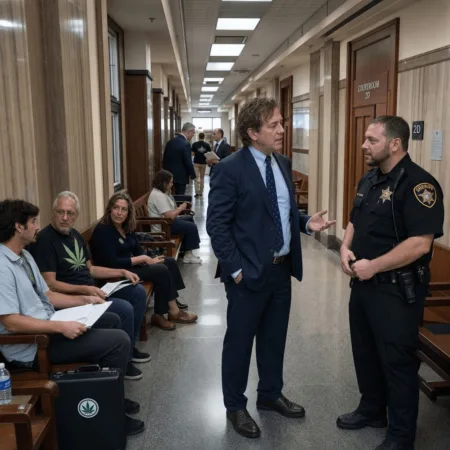
Let’s talk headlines. In April 2024, Minnesota legislators passed updated THC beverage guidelines that sparked anxiety in the local industry. As reported by Star Tribune, manufacturers now face stricter testing protocols, beefed-up ingredient transparency, and more prominent warning labels. The Minnesota Department of Health (MDH) is tasked with rolling out compliance audits and spot checks, meaning casual mistakes could lead to fines or forced recalls, a challenge that echoes issues faced by communities in other states when dispensaries are forced to close, similar to what happened with recent dispensary closures impacting local economies.
Real companies are feeling the squeeze: Northland Vapor and BLNCD Naturals, two major local players, publicly voiced concerns over unexpected costs and logistical headaches. For example, the new labeling requirements dictate specific dosage formats, making previously compliant cans instantly obsolete. These rules follow complaints over lax oversight and packaging that appeared kid-friendly or misleading. Recent state hearings emphasized consumer protection, especially protecting minors and reducing accidental overconsumption. The changes also coincide with an overall surge in product popularity, as Minnesota sales outpaced initial expectations, placing it in league with market leaders like California and Colorado, according to Headset.
- Key date: New rules initially took effect May 1, 2024, with a grace period for retailers to sell existing stock.
- Testing: Products must now pass batch-level potency and contaminant tests before reaching shelves.
- Labeling: All drinks require clear THC quantities, health warnings, and manufacturer data, no more mysterious cans or ‘wink-wink’ branding.
- Retail Impact: Craft shops and convenience stores must train employees on compliance and face random spot audits by MDH.
Behind the scenes, manufacturers argue that rapid implementation leaves little time to adapt. As one owner quipped to the Star Tribune, “We’re moving fast, but changing labels faster than flavors.” Still, regulators insist consumer safety is the driving force. Enthusiasts and critics alike keep one eye on how Minnesota THC beverage regulations shape both shelves and supply chains.
Expert Analysis: Why These Battles Really Matter (and What’s Next)
Here’s the thing, the evolving Minnesota THC beverage regulations aren’t just about fonts and testing, they’re a critical battlefield for the future of legal cannabis drinks. According to Leafly, Minnesota’s rapid growth in the THC drink market highlights broader national trends. More states are wrestling with how to regulate fast-rising categories while safeguarding public health. This mirrors delays and legislative challenges seen in other states, which often come at a real cost for local communities, much like what Pennsylvania residents experience when legalization stalls and opportunities are lost.
Risk is real. Without reliable lab testing, consumers could get blindsided by unexpected potency or undisclosed ingredients. On the flip side, over-regulation may push some small businesses out, throttling innovation before it blossoms. Retailers worry about unclear gray areas, such as whether drinks are treated like beer, supplements, or controlled substances.
As cannabis attorney Susan Burns explained in a recent industry roundtable (MJBizDaily): “A vibrant marketplace needs strong rules, but those rules must be workable for real people. Policy that strangles craft brands ends up hurting everyone.”
Many see Minnesota as a bellwether: if the industry adapts, and authorities find their regulatory rhythm, other states could follow the template. But finding the right balance between sharp oversight and market freedom is tricky. Still, experts agree that when everyone plays by agreed rules, trust grows, and so does the category.
Outlook: Looking Ahead with Hope (and a Cold Can)
No one said it would be easy. Navigating Minnesota THC beverage regulations is a crash course in rapid adaptation. But here’s the good news: every step forward brings more legal clarity, consumer confidence, and legitimate business opportunity. The Minnesota cannabis scene is maturing—shedding its ‘wild west’ roots for something safer and more sustainable. As noted by Hemp Benchmarks, robust regulation often fuels industry growth, not stifles it.
With clear science-based rules, responsible brands will thrive—delivering better choices for consumers and fewer headaches for lawmakers. As Minnesota’s next legislative session looms, advocates and critics alike see a promising path for inspired innovation and responsible fun. So next time you grab a THC seltzer, you’ll know these changing rules are building a future with more transparent, trustworthy, and, frankly, more awesome options. Stay chill, stay informed, and watch Minnesota paint a blueprint for the next era of cannabis beverage culture.
Originally reported by: startribune.com


1 Comment
Pingback: Psilocybin Medicinal Use: NY Lawmakers Eye New Therapies