





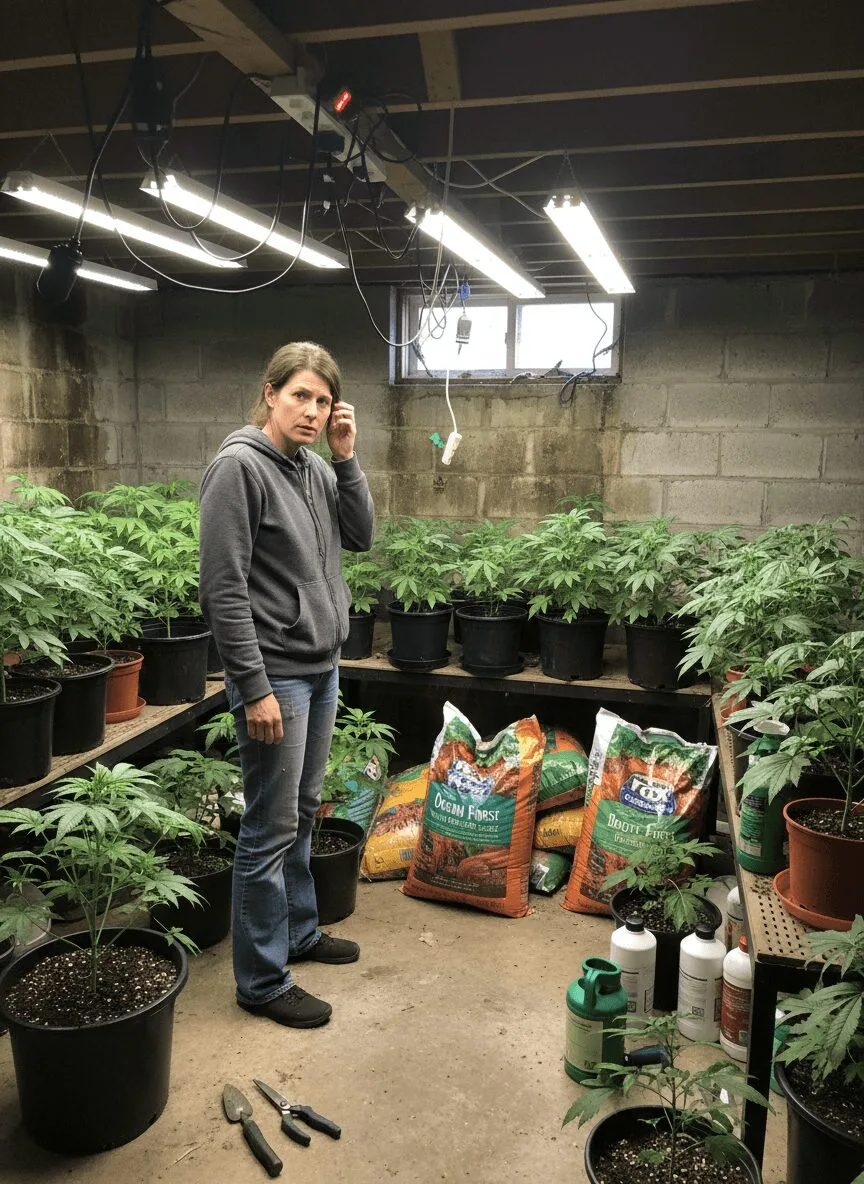
Illegal Marijuana Grow House: Shocking Maine Guilty Plea
The headlines are buzzing with the latest news about an illegal marijuana grow house uncovered in Maine. Why does this matter? With the cannabis industry booming, stories like these highlight the ongoing tension between legal markets and underground operations. As more states embrace legalization, cases like this offer a window into evolving laws, social attitudes, and the real-world challenges of regulation. Today’s story dives into a recent guilty plea from a Maine grow, dissecting its impact, context, and what it all means for everyone involved—especially those watching the industry’s every move.
The Legal Backdrop: Cannabis Regulations and Social Factors
The landscape surrounding illegal marijuana grow houses remains shaped by evolving federal and state laws. While Maine legalized recreational cannabis back in 2016 and rolled out commercial sales in 2020, not all cultivation goes through the right channels. Regulatory gaps mean that the shadow market still thrives, especially in rural, close-knit areas where oversight is tough. According to Leafly’s state reports, Maine’s legal cannabis market has grown steadily, but black-market operators exploit loopholes in licensing and enforcement. You can see similar issues when looking at how federal policy shifts have influenced state markets and enforcement trends. The federal government’s continued prohibition (thanks, outdated Controlled Substances Act!) creates barriers for legal businesses, leaving space for underground grows to exist. Socially, Maine has a long horticultural tradition and some deep-set skepticism about heavy-handed enforcement, making it a unique battleground for the interplay between culture and legality. Local opposition to over-regulation sometimes fuels off-the-grid growing, as noted in several major news pieces on unregulated cannabis in the Northeast.
The Case Details: What Went Down at the Illegal Marijuana Grow House
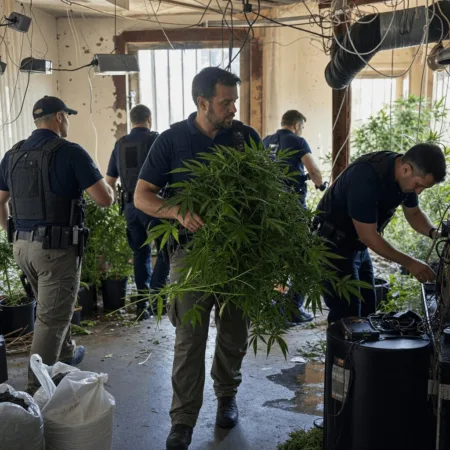
On January 12, 2026, central Maine saw a pivotal courtroom moment when Jiamin Liao entered a guilty plea tied to operating an illegal marijuana grow house. Police discovered Liao’s covert cultivation operation tucked in a nondescript residential property. According to filings reported by the Bangor Daily News, investigators uncovered hundreds of mature cannabis plants, alongside sophisticated lighting, irrigation, and ventilation systems. The set-up had all the classic hallmarks: plastic pots lining the basement, electricity rerouted to mask utility spikes, and enough bags of potting soil to make any indoor grower envious. Authorities linked the property to a broader investigation targeting illicit supply chains—which hints at wider criminal networks, much like those surfaced after major drug busts on Interstate 31, where law enforcement uncovers not only drugs but also complicated legal debates. The case underscores classic enforcement dilemmas: Liao cited confusion about licensing and unfamiliarity with Maine’s reporting system, but police highlighted clear regulatory violations. In submitting her plea, Liao admitted to knowingly bypassing legal channels, putting a human face on the shades-of-gray decisions faced by small-scale cultivators straddling the regulatory line.
Expert Analysis: Industry Challenges and Pro-Cannabis Perspectives
There’s more here than one headline, as illicit grows like this highlight the gaps, and pain points, in legal cannabis frameworks. Experts from Marijuana Moment note that overly complex compliance processes can unintentionally push would-be legal growers underground. As industry consultant Riley Alden puts it: “If you make legitimate entry into the market too expensive or confusing, some folks will just operate outside the lines, they aren’t kingpins—they’re gardeners who lost patience with the paperwork.” These challenges often echo across state lines, with advocates in neighboring regions—like those following the latest regulatory debates in Massachusetts—facing similar obstacles. Yet, these stories also serve as reminders for why regulated markets matter: public safety, product quality, and tax revenue are at stake. Many advocates point out the irony—legalization was meant to shrink the illicit market, but when legal structures falter or block access, the black market can surge. The Maine grow house saga is just one facet of a national puzzle, as Leafly’s recent policy analysis lays out in detail. Finding a balance between access, oversight, and community trust is the ongoing challenge for lawmakers and entrepreneurs alike.
Future Outlook: Lessons Learned and a Brighter Cannabis Horizon
While stories about an illegal marijuana grow house may grab attention for all the wrong reasons, the bigger picture is hopeful. Maine’s evolving regulatory climate, plus growing dialogue between lawmakers and legacy growers, points to a brighter future. With more open conversations, streamlined licensing, and sensible enforcement, many states are finally closing the gap between underground passion and above-board business. As Forbes cannabis market coverage points out, demand is high—and there’s plenty of room for legal, responsible operators. Ultimately, every headline like this sparks much-needed dialogue. The more we talk, adjust, and humanize the industry, the closer we move to a world where growers don’t need to hide in basements, and consumers can trust what they buy. Onward and upward for the cannabis community.
Originally reported by: bangordailynews.com
1 Comment
Pingback: Ross Township vape shop bust: Shocking details revealed