


Illegal Cannabis Delivery Investigation: Uncovering the Truth
The buzz around the illegal cannabis delivery investigation is hitting the community hard in 2024. With the rising demand for legal weed, gray-market delivery services keep popping up—and so do crackdowns. This story is more than a headline; it impacts consumers, businesses, and even city budgets. Here’s the scoop on what’s happening, why it matters, and what it means for cannabis in the Golden State and beyond.
Regulatory Landscape: Cracking Down or Playing Catch Up?
California’s cannabis regulations are among the most comprehensive in the nation, yet enforcement remains tough. Despite full legalization, the California Department of Cannabis Control still struggles to rein in illicit operations competing with licensed dispensaries. Market dynamics, such as high taxes and tight municipal zoning, create fertile ground for unlicensed delivery services. As highlighted in recent reports on hemp market turbulence, shifting policies and persistent regulatory gaps continue to influence the state’s cannabis sector. According to Leafly’s industry reports, almost two-thirds of cannabis sales in the state still come from unregulated operators as of 2024. Social factors, including low trust in new regulations and shifting consumer priorities, fuel the persistence of the underground market. Recent initiatives, like state-level task forces and local police efforts, are part of a larger effort to close the gap between legal intent and street realities.
Inside the Recent Illegal Cannabis Delivery Investigation
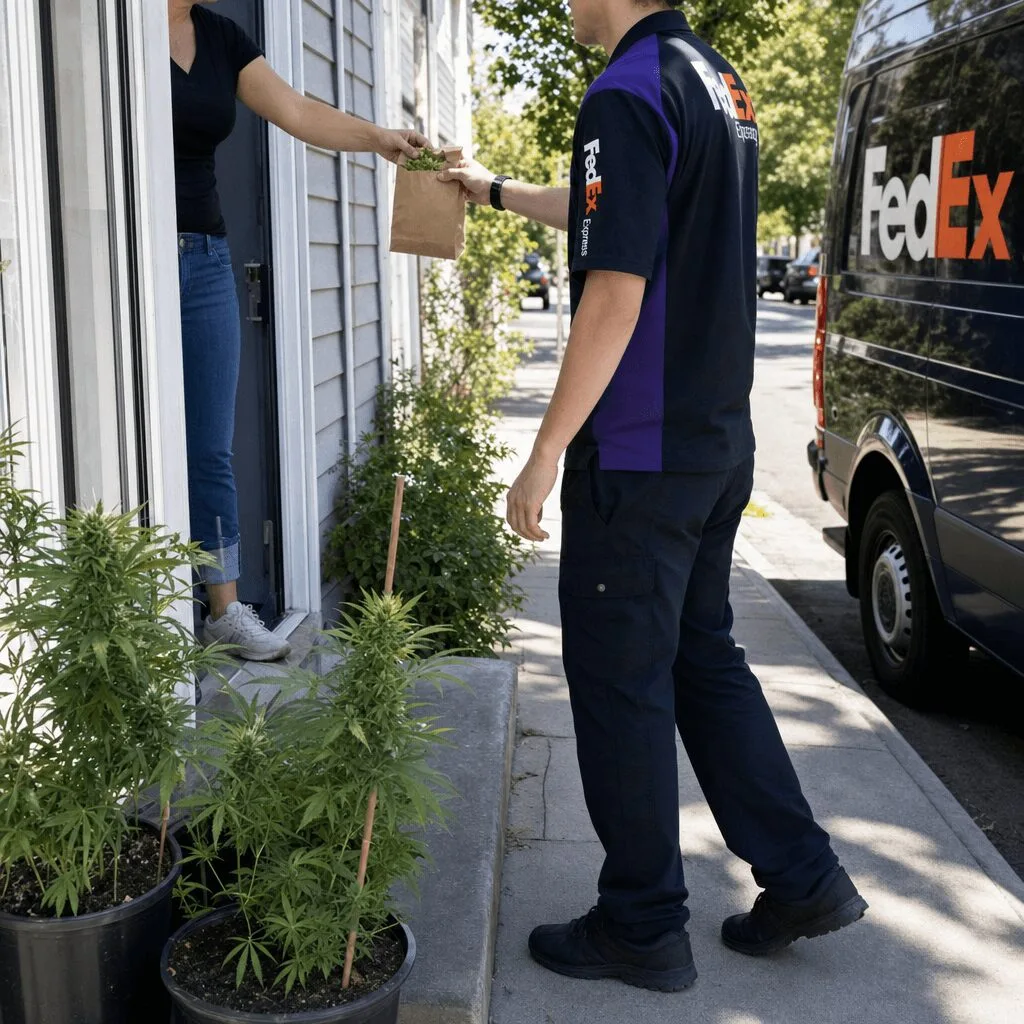
In September 2024, the Porterville Police Department (PPD) launched a focused illegal cannabis delivery investigation after receiving multiple community complaints. According to official reports, undercover operations targeted an unlicensed business suspected of distributing cannabis via a residential delivery route. Officers observed a transaction outside a modest local home, a scenario that mirrors enforcement challenges faced elsewhere, such as in recent dispensary debates about legal compliance. After surveillance and collection of evidence, law enforcement moved in, detaining two individuals and seizing cannabis products, business records, and delivery vehicles. The operation was part of a broader crackdown as authorities seek to eliminate black-market networks that undermine licensed competitors and challenge community safety. No injuries were reported during the sting, but several felony charges are pending for illegal distribution and unlicensed business activity.
Expert Analysis & Pro-Cannabis Insight
Here’s where cannabis culture and industry expertise come together. The recent illegal cannabis delivery investigation underlines a persistent problem, with demand still outpacing convenient legal access. High licensing fees, city restrictions, and taxation drive margins for legal operators down and lure risk-takers into the shadows. In the words of Morgan Fox, political director at NORML: “A robust legal market is the best weapon against the illicit trade, but we have to make compliance feasible for small businesses too.” Those on the ground say that stronger, smarter policy, not just tougher enforcement, will solve more problems long-term. As seen in recent policy discussions surrounding DEA cannabis rescheduling hearings, the conversation is moving toward a model where legal access is easier, safer, and more attractive than any black-market option. On a practical note, raids like these may disrupt short-term criminal activity but do little to deter future unlicensed services unless broader reforms are adopted. Industry insiders, including contributors at Marijuana Moment, routinely call for lower barriers for licensing and streamlined delivery regulations to reconcile market realities with public health and safety goals.
Forward Look: Turning Challenges into Industry Growth
The illegal cannabis delivery investigation in Porterville shines a spotlight on the challenges California faces as it refines its approach to legal weed. But these growing pains come with big lessons. As industry experts report, more cities are opening up to legal delivery models in 2024, and state policies are quickly evolving. Looking ahead, the optimistic takeaway is clear: by closing loopholes, lowering barriers, and investing in consumer education, California can shrink the illegal market. The industry’s best years are still ahead, fueled by public acceptance and smarter, fairer rules—proving, once again, adaptation is the mother of (green) invention.
Originally reported by: recorderonline.com