


Hemp Market Challenges: What’s Behind Industry Burnout?
Right now, the spotlight’s back on hemp market challenges as growers, processors, and advocates face tough realities in 2024. Oversupply, regulatory curveballs, and disappointing returns for farmers have put the industry at a crossroads. With news outlets and regulatory bodies buzzing about burnout, it’s the perfect time to unpack what’s weighing on hemp businesses and why unlocking the next chapter is crucial. Let’s break down what’s going on, why it matters, and what the road ahead could look like for anyone committed to the cannabis scene.
Hemp’s U.S. Market Evolution: Regulatory Shifts, Economic Realities, and Market Impact
After the 2018 Farm Bill federally reclassified hemp as distinct from psychoactive cannabis, the American market exploded almost overnight (U.S. Congress). By 2019, hundreds of new licenses flooded in as farmers, lured by the promise of CBD demand, planted millions of acres. However, fast-forward to 2024 and the landscape feels pretty different. Stringent federal testing for THC limits, uneven state rules, stubbornly high startup costs, and ongoing uncertainty around FDA regulation for ingestible hemp products have left many operators feeling squeezed. As Hemp Industry Daily and the USDA confirm, it’s the clash between prohibition’s legacy and modern economic pressures that’s shaping today’s hemp market challenges the most. These factors have created bottlenecks upstream, and persistent headaches for smaller players, driving burnout across the supply chain. The strain on small operators mirrors broader regulatory shakeups in U.S. cannabis, as seen by legal debates surrounding dispensary openings, including ongoing discussions in places such as St. Joseph’s evolving dispensary landscape—a sign of how local policy disputes influence business opportunities across the hemp and cannabis sectors.
Key Developments and Pressures Defining Hemp Market Challenges
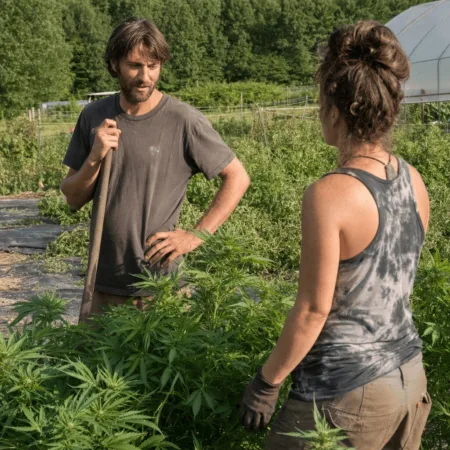
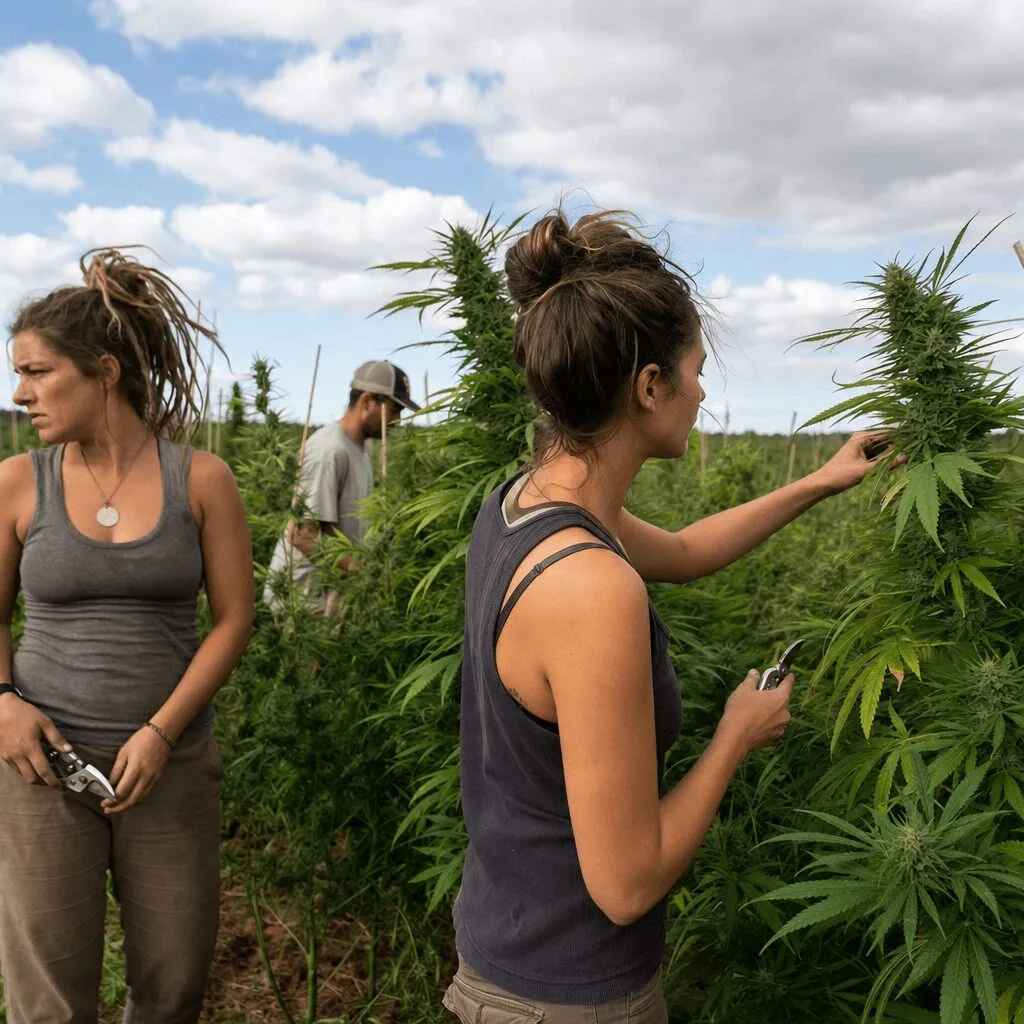
Digging into recent history, many U.S. farmers dove into hemp just a few years ago, spurred by CBD’s massive mainstream hype around 2020. But by 2024, reports like those from the Minneapolis Federal Reserve paint a tough picture. Overproduction wrecked prices. Some Minnesota growers, like the ones quoted in these reports, say they “haven’t made money for three years.” Across states like Montana, Kentucky, and Oregon, small-farm operators routinely highlight challenges like strict THC testing, where a crop that tests 0.31% instead of 0.3% gets destroyed. Add in tough banking, insurance, and processing infrastructure hurdles, and it’s no wonder farmers and early-stage entrepreneurs are feeling burned out.
This burnout has led to a dramatic reduction in acreage, with the USDA dropping the planted hemp acreage estimate to record lows in 2024 (USDA Press Release). Many new CBD extraction businesses shuttered or downsized. Unpredictable state enforcement, continued legal ambiguity at the federal level, and patchy retail acceptance have added layers of complexity. Industry mainstays also cite a glut of unsold biomass and the steep learning curve of navigating complex new supply chains, which mirrors the uncertainty experienced by cannabis operators responding to federal rescheduling debates, such as the recent DEA cannabis rescheduling process. Each challenge is another hallmark of the ongoing hemp market challenges facing growers and entrepreneurs alike.
Expert Analysis and Insights: The Bigger Picture for Hemp
Hemp’s bumps aren’t just about money, they reflect the transition from a gold rush mindset to a real, regulated agricultural industry. As Marijuana Moment explains, the slow rollout of FDA guidelines for hemp-derived cannabinoids and changing state rules has kept everyone on edge, blocking innovation and investment. It’s not all doom and gloom, though. As Dr. Ethan Russo, a long-time cannabis researcher, noted in a 2023 panel, “The hemp market’s biggest strength is its flexibility, if regulation stabilizes and markets diversify, growers can pivot to fiber, grain, or wellness products and build real resilience.”
The move toward industrial hemp for fiber, construction, textiles, and bioplastics is gaining traction globally as the world seeks carbon-negative raw materials. Reports from Hemp Business Journal confirm that despite current burnout, savvy operators are adapting by exploring food, animal feed, and sustainable materials applications. As the industry looks toward new forms of growth beyond CBD, states like Virginia are paving the way for innovative cannabis policy with efforts toward retail transformation, represented by the push for modern recreational marijuana sales models that signal a shift in how future hemp and cannabis business models could take shape. Challenges remain for sure, but every veteran knows resiliency is part of the culture, and each new regulation, crop failure, or price reset is just another plot twist on hemp’s wild ride.
The Future Outlook: Hemp’s Reset & the Road to Opportunity
Despite the headlines and hard knocks, there’s plenty of reason for optimism as hemp market challenges shift. Demand for eco-friendly, carbon-negative hemp products is rising, and consumer interest in sustainable wellness continues to grow. As legal clarity improves and major buyers look for U.S.-grown fiber or grain, new market segments open wide. According to a recent Hemp Benchmarks report, “the next generation of hemp producers are focused, tech-savvy, and know how to weather storms.”
The bottom line? The hemp market isn’t flat-lining—it’s maturing. The industry’s burnout is a symptom of its growing pains, not a death knell. Whether you’re a grower, entrepreneur, or hemp enthusiast, staying informed and adapting to these hemp market challenges is the key to discovering new growth in 2024 and beyond.
Originally reported by: minneapolisfed.org