




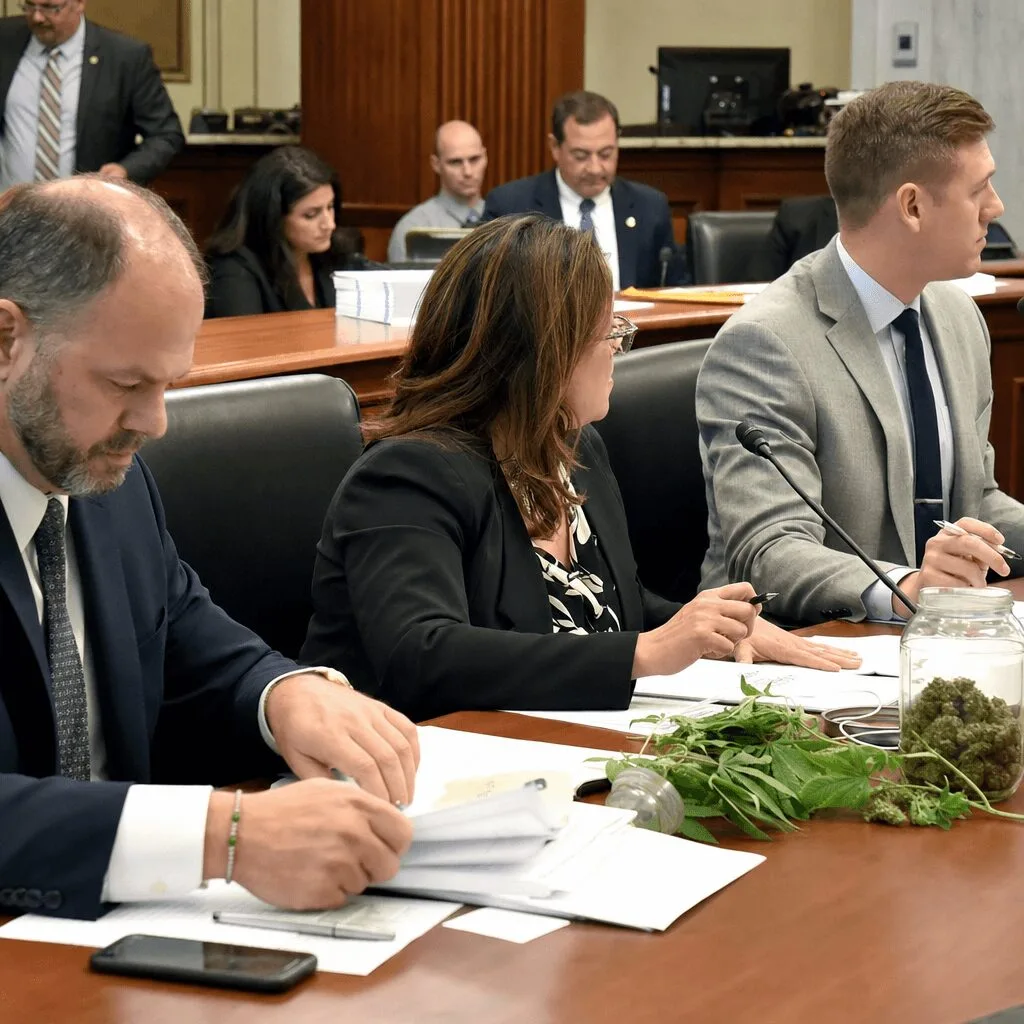
DEA Cannabis Rescheduling Hearing: Shocking New Developments
If you’ve ever wondered when cannabis gets its fair shot at federal reform, the DEA cannabis rescheduling hearing is at the center of the spotlight—again. This is easily the most important regulatory conversation, with industry experts, advocates, and policymakers locked in heated debate. With fresh revelations out of Washington shaking up the industry, the DEA cannabis rescheduling hearing is about more than plant science—it’s about legal freedom, market evolution, and social justice colliding in real time. Let’s break down what the latest developments really mean for cannabis in 2024 and beyond.
Historic Background: Why the DEA Cannabis Rescheduling Hearing Matters
Cannabis rescheduling has danced around policy tables for decades. The drug’s outdated Schedule I status under the Controlled Substances Act (FDA) keeps it on the same shelf as heroin, an obvious mismatch given both market demand and medical advances. Legal inconsistencies put the DEA cannabis rescheduling hearing center stage as the U.S. faces record-high public support for reform. According to Pew Research (2023), about 88% of Americans now back some form of legal cannabis. With over 38 states legalizing medical use and nearly half allowing adult sales, the outdated federal ban has created a patchwork of conflicting rules that fuel confusion for patients, providers, and investors alike. Congress, meanwhile, has sat on bills like the MORE Act and SAFE Banking Act, leaving the DEA cannabis rescheduling hearing as the pivotal moment for federal clarity. Medical cannabis safety risks and rescheduling coalitions have played a crucial role in this transformative period.
Socially, minority communities have endured disproportionate policing and criminalization. Rescheduling could offer reparative opportunities, but only if policies are written with equity in mind. Industry players and advocates alike see this moment as a rare window to right decades of wrongs, while mainstream business, investment, and healthcare sectors are eager for stability and growth. In 2024, these hearings are not just legalese, they’re about everyday access, human rights, and economic momentum.
Key Developments: What Unfolded at the 2024 DEA Cannabis Rescheduling Hearing
The latest DEA cannabis rescheduling hearing, held in early 2024, threw some wild curveballs. For the first time, federal regulators publicly acknowledged robust medical evidence showing cannabis’s effectiveness, citing data from the NIH and a landmark review by the U.S. Department of Health and Human Services. Proceedings revealed high-level disputes between agency scientists and law enforcement arms about whether cannabis should move from Schedule I down to Schedule III or lower, which would massively decrease banking, research, and tax burdens for cannabis businesses nationwide.
Key testimony came from university researchers, patient advocates, and even pharmaceutical executives. According to Cannabis Business Times, Department of Justice attorneys challenged several DEA stances, pushing for evidence-based decisions over old stereotypes. “It’s unprecedented,” said one expert. Developments included the DEA confirming expedited reviews on cannabis-related research applications and publishing a formal timeline for additional public comment rounds through late 2024, sparking hope but also more advocacy and legal strategizing.
Notably, industry analysts from New Frontier Data projected that moving cannabis to Schedule III could unlock billions in tax savings for the sector. Meanwhile, operators of state-legal dispensaries—like those in regional markets now facing new opportunities—waited for green lights on federal banking reforms tied to rescheduling outcomes. Recent debates around new dispensary openings highlight how local issues are linked to these federal changes. High-profile players like Curaleaf and Cresco Labs submitted formal statements urging science-based policy and clear regulatory frameworks, all signaling that the long-fought battle is far from over.
Expert Analysis: What the DEA Cannabis Rescheduling Hearing Signals for Cannabis in 2024
The significance of the 2024 DEA cannabis rescheduling hearing goes way beyond headlines. It signals potential “game-changer” status for both industry and public health, say analysts. Regulatory delays in the past hobbled research, choked interstate commerce, and left social equity efforts mostly stalled. Now, credible leaders are weighing in with optimism and realism. As NORML’s Executive Director Erik Altieri told lawmakers, “For too long, outdated federal policy has stood in the way of research, safe access, and economic opportunity. Rescheduling is a crucial first step toward ending this failed era.”
Cannabis medical efficacy is no longer a fringe belief. Leading institutions, from the CDC to the Journal of the American Medical Association, now recognize therapeutic value and a favorable safety profile, especially compared to opioid alternatives. Industry giants like Charlotte’s Web hail the hearing as validation for decades of patient-first advocacy. For states like Virginia, anticipated changes in recreational marijuana sales reflect how rescheduling could reshape the retail landscape by 2027.
The challenges, of course, center on how reform happens and who benefits. If rescheduling comes with overly restrictive pseudo-pharma gatekeeping, smaller players and people most harmed by prohibition risk losing out. But a science-forward approach, paired with inclusive policy and accountability, could finally bring cannabis out of the legal gray area and help the U.S. catch up with OECD peers.
Future Outlook: DEA Cannabis Rescheduling Hearing Ushers in a New Era
As the smoke of the 2024 DEA cannabis rescheduling hearing begins to clear, it’s obvious we’re watching history. The momentum for progress is real. Most industry experts expect the rescheduling debate to trigger broader reforms—spanning banking, marketing, scientific research, and normal consumer access—by year’s end. While no hearing solves everything overnight, the commitment to medical evidence and equity marks a sea change. According to MJBizDaily, investors, medical providers, and everyday consumers are all watching for the next regulatory shoe to drop, confident the federal tides are finally turning. Keep an eye out—this era of cannabis isn’t just about policy, it’s about new opportunities, health justice, and, yes, blazing a trail to nationwide normalization in America’s rapidly evolving cannabis landscape.
Originally reported by: cannabisbusinesstimes.com